

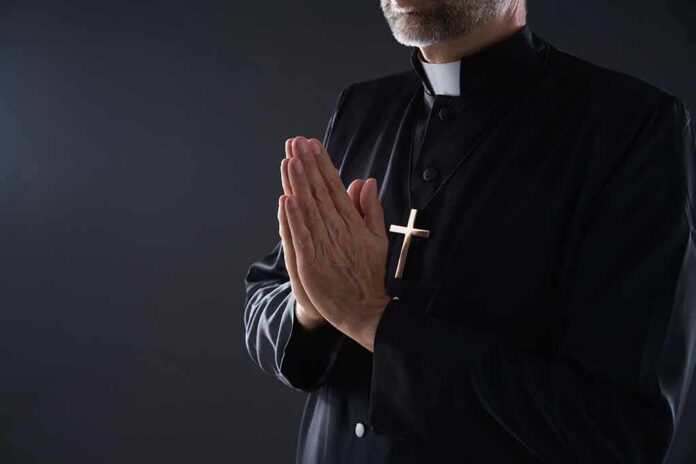
A viral clip shows an Italian priest dancing in liturgical vestments at the altar while making sacred gestures, igniting a fierce debate over whether worship has been turned into entertainment.
Story Highlights
- A widely shared altar-dancing video features Italian priest Roberto Fiscer, posted to TikTok and now recirculating online.
- A Catholic outlet says the gestures at the altar amount to blasphemy and distort the rite into a show.
- Supporters frame social media as a new “mission field,” and note Fiscer’s large youth following.
- The dispute fits a trend of “priest-influencers” courting clicks while drawing backlash over reverence.
What The Viral Video Shows And Who Is In It
Fact-checkers identified the dancing cleric as Don Roberto Fiscer, a priest from Genoa, Italy. They reported he published the clip on his own TikTok account on August 13, 2021, long before it resurfaced with new captions. The video shows him in liturgical vestments, dancing and marking the Sign of the Cross near the altar. The reposted versions add claims and outrage, but the core details point to Fiscer’s long-running social media ministry and style.
Italian lifestyle coverage has profiled Fiscer as a priest-influencer with large reach, known for playful sketches and dances filmed in church settings. Writers describe him as a former disc jockey who brings music and comedy into short clips for the platform audience. That background helps explain his approach: short, upbeat bits meant to catch attention and pull in younger viewers who live on social apps and watch almost everything on their phones.
Why Many Catholics Are Outraged
A Catholic commentary outlet condemned the altar dancing as blasphemy. It argued that the priest turned the altar into a stage, the Mass into entertainment, and sacred words into a pop performance. The critique said the Eucharistic celebration is not the priest’s “creative space,” but the action of Christ and the Church. It called the episode the latest in a pattern of improper behavior in the presbytery before the Blessed Sacrament, including costumed skits.
Broader media analysis in Italy says this is part of a known cycle. A priest uses platform trends, gains clicks, and then faces anger over reverence and decorum. One write-up described a Fiscer clip that mimicked parts of the consecration, calling it shocking in its framing. The pattern raises a basic question for believers: does a viral moment help souls, or does it shift the focus from worship to the performer and the algorithm that rewards novelty and outrage?
What The Other Side Argues About “Digital Mission”
Vatican News has featured Fiscer and presented Instagram and TikTok as “places of mission,” signaling support for reaching people where they are online. That line stresses meeting youth in digital spaces, sharing short messages, and inviting them toward deeper faith beyond the scroll. Advocates say young people will not hear any message if the Church refuses to speak in the formats they use daily, for better or for worse.
Factual studies about youth and new media also show strong online engagement can open doors for evangelization. Research finds that digital tools let ministries reach and involve young people in simple, interactive ways. Those findings fuel the push for “digital missionaries” who try skits, music, and quick clips to break through the noise. The tension is how to keep reverence while speaking in the language of modern platforms.
Respect For The Sacred Versus Chasing The Algorithm
Conservatives who care about tradition see a red line at the altar. They argue that holy things must not be props, and that the liturgy is not a venue for trends. Their view is clear: reverence draws hearts over time, while gimmicks trade awe for applause. The sharpest critics say that once worship becomes content, the center moves from Christ to clicks. The Italian commentary’s charge of blasphemy puts that warning in the strongest possible terms.
Supporters answer that online forms can be a first step for the young and unchurched. Yet even they face a hard test: drawing a bright boundary between outreach and the sacred action itself. Many readers will accept a street-corner skit but not a dance at the altar. The path forward likely means clear guardrails, strong pastoral oversight, and a simple rule: never turn the holy of holies into a stage, even for a good cause.
Sources:
lifesitenews.com, vanityfair.it, silerenonpossum.com, mythdetector.com, fanpage.it, ign.com