
A reported Putin plan to meet President Trump and China’s Xi without Ukraine’s leader raised alarms in Kyiv and scrutiny in Washington.
Story Snapshot
- Reports say Vladimir Putin floated a Trump–Xi summit on Ukraine that would exclude Volodymyr Zelensky.
- President Trump said he would meet to end the war “whether somebody’s there or not”.
- Kyiv warned such a format could reward Russian aggression and must include Ukraine.
- The Kremlin said no agenda or agreement is finalized, keeping outcomes uncertain.
What sparked Ukraine’s push to be “at the table”
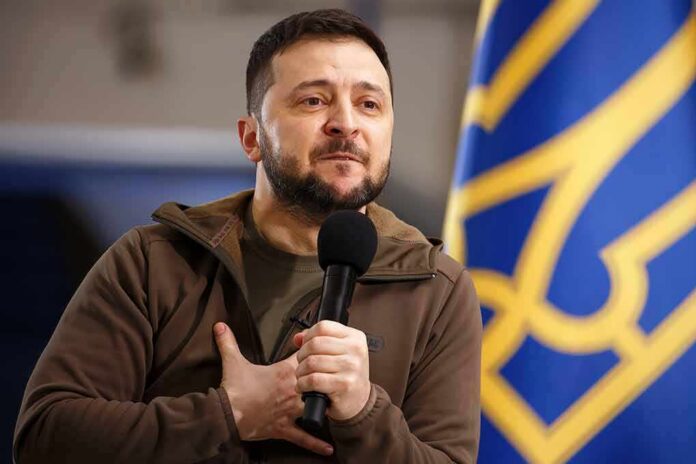
Wall Street Journal-based reports said Vladimir Putin proposed a three-way meeting with President Trump and China’s Xi Jinping to discuss ending the Ukraine war, without inviting Volodymyr Zelensky. Kyiv media summaries emphasized that Ukraine’s leader was not on the list, even though the talks would concern Ukraine’s future borders and security. Ukraine argued that leaving it out would sideline the nation that must live with any deal and could embolden Moscow to demand terms it has not earned on the battlefield.
President Trump told reporters he would meet to end the war “whether somebody’s there or not,” signaling openness to talks even if Zelensky did not attend. Supporters see urgency to stop bloodshed and lower energy shocks. Critics warn that excluding the victim state risks a top-down fix that will not hold. Kyiv’s message stayed clear: Ukraine wants peace, but any settlement must include Ukraine’s direct voice and consent to be legitimate and durable.
Competing signals from Moscow and Washington
Kremlin spokesman Dmitry Peskov said there was no clear understanding of the meeting or its agenda and no firm agreement, which undercuts claims of a set plan but keeps the door open to a great-power session. That uncertainty clashes with the strong reactions the idea triggered. Reports quoted Trump criticizing Zelensky and saying someone else could negotiate for Ukraine, while also stating the aim is to end the war fast and save lives. The mixed signals fed concern about a deal made above Ukraine’s head.
Kyiv’s press described the proposed format as a risk that could “encourage” Putin to keep fighting for leverage, betting that outside leaders might accept a freeze on Russian terms. That concern reflects past ceasefire traps, when pressure to stop shooting led to vague promises and weak enforcement. Without Ukraine seated, any paper deal would still need Ukraine to carry it out. That gap invites failure or a return to fighting once guns cool and pressure fades.
Why participation matters to a real peace
History shows settlements last when the nation on the line signs on and can sell it at home. Even with France and Germany involved a decade ago, the Minsk process faltered as key steps stayed unclear and hard to implement. Analysts warn that “constructive ambiguity” can mask clashing views that explode later. A meeting among big powers can be useful for pressure and timelines, but it cannot replace consent from the country that must secure its towns and borders the next morning.
For Americans, the stakes reach beyond maps in Eastern Europe. A shaky deal can drag the United States into longer crises, drain taxpayer dollars, and rattle energy markets. Conservative principles argue for peace through strength, clear terms, and respect for national sovereignty. If talks move ahead, the path that guards U.S. interests is simple to state and hard to fake: include Ukraine, set firm conditions, and make any relief contingent on verifiable steps that stop Russian aggression, not reward it.
What to watch next
Watch for formal invitations, a public agenda, and any mention of Ukraine’s seat at the table. Look for concrete aims such as timelines, prisoner exchanges, border security, and inspection rules. Track whether Washington links any sanctions relief to verified withdrawal or durable ceasefire lines. Note if Kyiv’s government signals readiness for a direct session with Trump and Putin on neutral ground, which previous reporting says Zelensky has supported as a path to a real end to the war.
Sources:
insiderpaper.com, independent.co.uk, cnbc.com