
Japan’s Mitsubishi Type 10 is one of the most advanced tanks on Earth, yet decades of export bans kept this steel powerhouse almost invisible outside Japan’s borders.
Story Snapshot
- Japan’s postwar arms export bans kept the high-tech Type 10 tank locked inside its own borders, despite world-class capabilities.
- Step‑by‑step rule changes since 2014 have chipped away at Japan’s pacifist limits and now allow lethal weapons exports, including tanks.
- The Type 10’s compact size, digital backbone, and powerful gun make it a serious player in any future Indo‑Pacific fight.
- Japan’s shift from strict pacifism to “proactive security” echoes debates Americans know well about deterrence, allies, and military strength.
Japan Built a Top‑Tier Tank, Then Hid It at Home
Japan’s Mitsubishi Type 10 main battle tank entered service in the early 2010s as a compact, fourth‑generation tank for the Japan Ground Self‑Defense Force. It was designed from the start for Japan’s rough terrain, crowded cities, and older bridge network, with a combat weight around forty to mid‑forty tons that can cross most of the country’s bridges. That lighter weight does not mean weak firepower. The tank carries a modern 120‑millimeter cannon, advanced fire‑control, and strong armor focused on real battle threats.
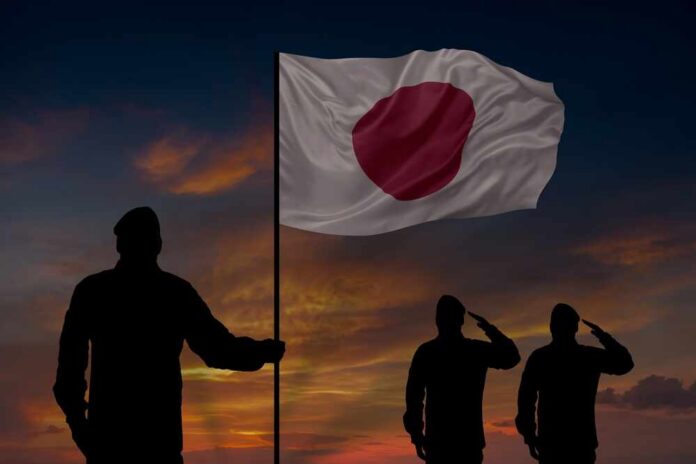
During development, Japan treated the Type 10 like a quiet, home‑grown project, not a global showpiece. This choice flowed from postwar policy. Since the 1960s, Tokyo had strict “three principles” that blocked most arms exports, and in 1976 the government set a near‑blanket ban on shipping weapons overseas. That ban was shaped by Article 9 of Japan’s constitution, which renounces war and drove a strong antimilitary culture in politics and media. The result was simple: Japan built tanks for itself, not for the world.
Postwar Pacifism Kept Lethal Exports Off the Table
For decades after World War II, Japan chose to answer security fears with a narrow self‑defense posture and almost no weapons sales abroad. The 1976 export ban meant lethal systems like tanks, missiles, and jets were effectively walled off from foreign buyers, even close allies. Analysts link this strict approach directly to postwar antimilitary attitudes and the legal limits of Article 9, which turned “no arms exports” into a kind of political taboo. That is why almost no one outside defense circles even knew the Type 10 existed, much less how advanced it really was.
This wall finally began to crack about a decade ago. In 2014, then‑Prime Minister Shinzo Abe eased the rules to allow limited transfers that “contribute to peace and security,” but exports still had to be non‑lethal in practice. Shipments were mostly rescue, transport, and surveillance gear, not heavy weapons. Even then, critics at home and abroad saw each step as a break from pacifism, while government leaders framed changes as needed for defense and for tighter ties with partners like the United States. The core clash has been the same for years: deterrence and industry on one side, pacifist ideals on the other.
From Taboo to “Proactive Security” — And a Tank Ready for Export
That slow drift turned into a clear shift in 2026. Prime Minister Sanae Takaichi’s cabinet approved ending the longstanding ban on lethal arms exports, scrapping the last big barrier to sending weapons like tanks and missiles abroad. Reports describe this move as another stage in Japan’s march from strict “self‑defense only” toward a more proactive security role, including helping arm other friendly countries. Japan has already eased rules to sell licensed gear back to the original makers and is now eyeing sales to partners across Asia and to members of the North Atlantic Treaty Organization.
Japan’s defense industry, including Mitsubishi Heavy Industries, now has a strong reason to look outward. Analysts say lifting lethal export bans could unlock major revenue and keep domestic factories running as Japan modernizes its forces. At the same time, foreign armies are quietly checking out the Type 10 as a possible buy. The Philippine Army, for example, has publicly evaluated the tank as Japan signals it is willing to price it more competitively for export to build a larger user base. Cost and training will be real hurdles, but the door that was locked for decades is now open.
What Makes the Type 10 So Sophisticated?
The Type 10 earns its reputation from smart design, not raw size. Mitsubishi built it with an advanced real‑time data link that lets tanks share target and terrain information across the force. The tank’s 120‑millimeter gun, with home‑grown ammunition and a bustle‑mounted autoloader, is tuned for high‑speed offensive pushes and strong defensive fire support. Its mobility comes from a 1,200‑horsepower diesel engine and hydropneumatic suspension, giving fast movement and good stability on Japan’s tight, uneven ground.
On paper and in testing, the Type 10’s armor and smart systems give it protection and accuracy that match or beat older, heavier Japanese tanks. Its lighter frame means it can deploy quickly around the home islands or onto nearby partners’ soil in a crisis. That matters in the Indo‑Pacific, where narrow roads, old bridges, and island chains make super‑heavy tanks hard to use. For American readers worried about Chinese expansion and shaky allies, Japan fielding a high‑end but agile tank is a real plus for the broader security picture.
Sources:
19fortyfive.com, thediplomat.com, straitstimes.com, scmp.com, secretprojects.co.uk, facebook.com, mhi.com, reddit.com, csis.org, bbc.com, rusi.org, youtube.com