

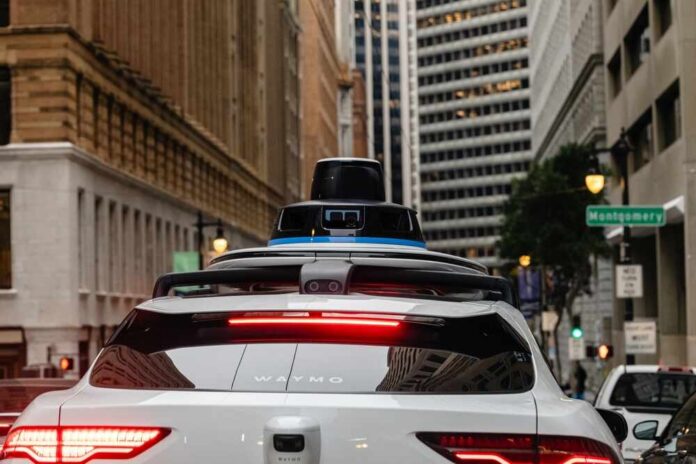
When two 15-year-olds allegedly got drunk and waved a fake gun out the window of a driverless Waymo car, it was the car’s own interior cameras that caught them and alerted police, not some government spy in the sky watching patriots on the highway.
Story Snapshot
- Waymo’s interior cameras flagged teens allegedly drinking and brandishing a toy gun, triggering a police response.
- The company openly says it uses interior cameras to enforce in-car rules and promote rider safety.
- Conservatives now face a tough balance: welcome tech that stops dangerous behavior, but guard against data misuse and mission creep.
- Waymo’s secrecy on data retention and possible use of footage for artificial intelligence and ads raises real privacy red flags.
Waymo cameras caught the teens, and the system worked as designed
Police say the Waymo incident began when two 15-year-olds allegedly drank alcohol and fired toy guns out the window of a robotaxi, behavior that would get any adult pulled over if a human officer saw it. Waymo’s own systems detected what was happening inside the car and contacted authorities. According to Waymo’s help materials, interior cameras and microphones exist “to promote safety and security” and to check that in-car rules are followed. In this case, they did exactly that.
Waymo states that support staff can access live interior video “in more urgent circumstances” during a trip, so they can respond to serious issues in real time. A separate analysis notes that the company uses interior cameras to monitor rider behavior and detect forbidden actions, such as smoking or vaping, and then intervene either during or after the ride. Put simply, riders are told the car is watching. This is not secret surveillance; it is a condition of using the service.
How Waymo’s monitoring system works — and why it was built
Waymo’s public documentation says the company may share trip data, including camera information, with law enforcement when needed to comply with legal demands or protect the safety of riders and others. That means if someone uses a robotaxi as a rolling party, a drug den, or a moving weapons stage, the company has both the tools and the stated policy to step in. Waymo also says only United States–based staff handle “event response” for emergencies, including manually assisting vehicles when needed.
Those remote staff go through criminal and traffic record checks and drug testing, which suggests the company expects them to handle serious events, not just customer service calls. At the same time, there is no evidence that every ride is watched live like a television show. Riders on discussion forums describe the system more like a store security camera: it records all the time, but support staff only look when something seems wrong or a trigger is hit. One rider reported Waymo support calling mid-trip after cameras showed too many people packed into the car, then ordering a stop and a second vehicle.
Safety benefits collide with growing privacy and “surveillance state” fears
Waymo’s interior monitoring lines up with a larger push to use cameras inside vehicles in the name of safety. New federal rules will soon require impaired-driving detection systems in all new cars, using interior sensors to track eyes and head position to spot drunk or distracted drivers. Tech firms and regulators say these tools will save lives by catching danger early. Many conservatives agree that stopping drunk driving and reckless behavior is a good thing, especially when families are on the road.
But there is another side that should trouble anyone who cares about limited government and personal liberty. Waymo’s cars generate millions of hours of video each month, yet outside experts say no one knows how long that footage is kept or exactly how it is stored. Reports describe a massive central repository, a kind of “hive mind” that combines video from hundreds of cars into one data bank. Separately, a draft privacy policy described by reporters suggests Waymo is preparing to use interior camera clips, tied to rider identity, to train generative artificial intelligence and even help target in-car advertising.
From stopping drunk teens to training AI and selling ads
Waymo says it already uses personal data to improve its technology, help find lost items, keep cars clean, and “check that in-car rules are being followed.” None of that is shocking for a modern tech company. What is new is the plan to process interior camera data for artificial intelligence training and possibly advertising, with riders given an option to opt out of certain uses. That may sound fine on paper, but anyone who has fought an online privacy setting knows opt outs are often hidden, confusing, or ignored.
For conservatives, the core question is not whether Waymo should have stopped drunk teens with a fake gun. Most would say that is common sense safety. The deeper concern is where this road leads when powerful tech firms store every move we make in a car, then mix it with artificial intelligence tools and ad targeting. Across the country, civil liberties groups are already warning about government partnerships with private surveillance companies that track drivers and flag “suspicious” travel patterns. That pattern of quiet expansion is what should keep Americans alert.
What this means for riders, parents, and privacy-minded patriots
Parents considering a robotaxi ride for their kids should understand both the protection and the price. Interior cameras can catch dangerous behavior quickly, and there are real cases where Waymo has intervened to enforce rules, from banning smoking to stopping overcrowded rides. The teen incident shows that bad choices in a driverless car will not stay secret. For many families, that is a feature, not a bug, especially when minors are involved and no human driver is present.
Yet the lack of clear answers on how long Waymo keeps interior video, who can see it inside the company, and how much of it might be reused for artificial intelligence or marketing should bother anyone who values privacy. It is one thing to record a crime or a major safety threat, and quite another to keep permanent files of every harmless joke, argument, or private moment in the back seat. As driverless cars spread under new federal safety mandates, conservatives will need to push for strict limits: use cameras to stop real danger, but do not build permanent, searchable dossiers on law-abiding Americans.
Sources:
reason.com, forbes.com, allaspectreport.com, support.google.com, reddit.com, facebook.com, biometricupdate.com