
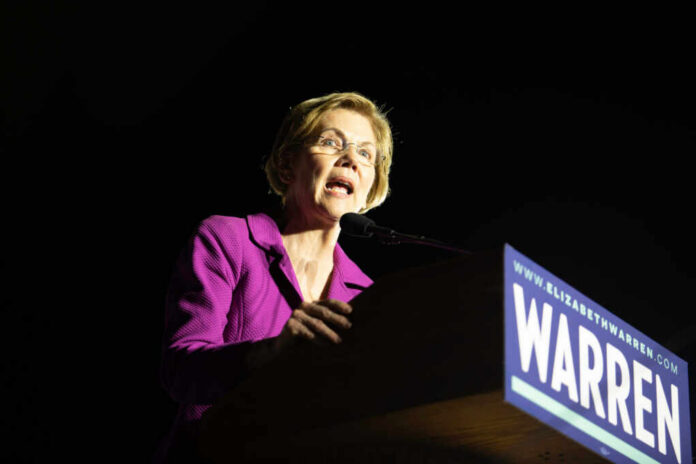
HHS Secretary Robert F. Kennedy Jr. clashed with Sen. Elizabeth Warren in a fiery budget hearing today, exposing deep partisan divisions over vaccine policy while revealing an unexpected alliance to dismantle industry control over doctor payments.
Story Snapshot
- Warren grilled RFK Jr. during Senate Finance Committee hearing on Trump’s 2027 budget, sparking heated exchanges over COVID-19 vaccine access
- The Trump administration proposes radical payment reforms to boost primary care doctors’ pay, challenging specialty group lobbies that protect a 38% specialist pay premium
- RFK Jr., Dr. Oz, and Warren align on breaking industry stranglehold over medical payments, despite bitter disputes over vaccine oversight
- Primary care shortages persist due to payment inequities, with reforms potentially shifting billions from specialists to family doctors serving underserved communities
Senate Showdown Over Vaccine Access
Sen. Elizabeth Warren directly confronted HHS Secretary Robert F. Kennedy Jr. during an April 22, 2026 Senate Finance Committee hearing on President Trump’s 2027 budget request. The Massachusetts Democrat pressed Kennedy on COVID-19 vaccine access and related immunization programs, highlighting what she characterized as administration failures to protect public health. The contentious exchange underscored the ongoing tension between Democratic oversight efforts and Trump’s second-term health agenda, with Warren leveraging her Finance Committee position to challenge Kennedy’s stewardship of federal health programs despite Republican control of both chambers.
Unlikely Alliance on Payment Reform
Beyond the vaccine clash, the hearing revealed a surprising policy convergence between Kennedy, fellow Trump health official Dr. Oz, and Warren on reforming physician payment structures. The administration proposes dismantling what Kennedy calls the “industry stranglehold” on medical payments, addressing a systemic inequity where primary care doctors earn 38% less than specialists despite equivalent training. This reform targets powerful specialty lobbies and American Medical Association-aligned groups that have perpetuated payment disparities contributing to widespread primary care shortages, particularly in rural and underserved areas where family doctors are desperately needed.
Deep State Medicine Exposed
The payment reform push exposes how industry groups have captured the reimbursement system, enriching specialists while starving primary care of resources. Americans struggling to find family doctors now face a healthcare establishment that has systematically prioritized lucrative procedures over basic preventive care. The Trump administration’s challenge to this entrenched power structure represents a direct assault on the medical-industrial complex that has failed ordinary citizens. Warren’s traditional advocacy for consumer protections aligns her, however uncomfortably, with Kennedy’s anti-establishment approach, suggesting bipartisan frustration with an industry more focused on profits than patient access.
Budget Battle and Broader Implications
The Finance Committee hearing centers on funding decisions that will shape healthcare delivery for millions of Americans. Short-term, Democratic scrutiny may delay portions of the 2027 HHS budget, but Republican majorities position Trump’s reforms to advance despite opposition. Long-term success could redirect billions toward primary care, potentially alleviating doctor shortages that force patients into expensive emergency rooms for routine care. The economic impact would shift dollars from high-earning specialists to family physicians, potentially reducing overall healthcare costs while improving access. However, the partisan vaccine disputes threaten to overshadow genuine reform opportunities, illustrating how Washington’s dysfunction prevents solutions to problems both left and right recognize.
Ethics Questions and Political Calculations
Warren previously challenged Kennedy over ethics concerns regarding his personal lawsuit fees from HPV vaccine litigation, prompting Kennedy to pledge in January 2025 he would cease collecting those payments. The ethics probes reflect Democratic efforts to undermine Kennedy’s credibility, even as his payment reform positions echo Warren’s career-long critiques of industry influence over policy. This complicated dynamic reveals the difficulty of bipartisan cooperation in an era where political combat often trumps shared policy goals. Americans watching this theater of mutual suspicion have reason to question whether elected officials prioritize reelection talking points over actually fixing the broken healthcare system that leaves families choosing between medical care and mortgage payments.
Sources:
The Argument: RFK Jr., Dr. Oz, and Elizabeth Warren Align on Primary Care Payment Reform
CBS News: Watch Warren and RFK Jr. Clash Over Vaccine Access
WSLS: RFK Jr. Says He’ll Stop Collecting Fees from HPV Vaccine Lawsuit