

Iran just proved it can turn a global oil chokepoint into a cash register—while routing payments around the U.S.-led financial system.
Quick Take
- Iran says it has collected its first toll revenue from ships transiting the Strait of Hormuz and transferred the proceeds to its central bank.
- The toll system reportedly began in mid-March, but early reporting said collections were effectively “zero” until enforcement intensified.
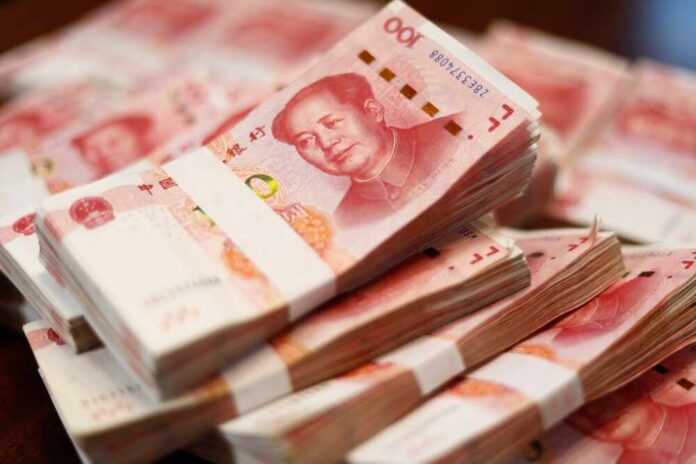
- Reports describe payments moving through non-dollar channels, including Chinese yuan systems and cryptocurrency, complicating sanctions enforcement.
- The Strait of Hormuz carries roughly one-fifth of global oil trade, so even limited disruption or added costs can ripple into U.S. energy prices.
Iran’s First Confirmed Hormuz Toll Deposit Signals a New Phase
Iranian lawmaker Hamidreza Haji Babaei, a senior parliamentary official, said on April 23, 2026, that Iran collected its first revenue from newly imposed transit tolls in the Strait of Hormuz and transferred the money to the Central Bank of Iran. Reporting did not disclose the payment size, which ships paid, or which nationalities were involved. Still, the announcement matters because it frames the tolls as no longer theoretical—at least one payment has cleared into state accounts.
Iran’s timing is not subtle. The announcement landed amid heightened U.S. and Israeli pressure and long-running sanctions designed to limit Tehran’s revenue. By publicizing a deposit to the central bank, Tehran signals both domestic confidence and a message to shipping interests: the toll policy has an enforcement mechanism and an endpoint where funds can be booked. What remains unclear is how broadly the toll has been paid and whether compliance is voluntary or coerced.
How the Toll System Works—and Why Early Collections Were Reported as “Zero”
Multiple reports describe a toll structure tied to oil cargo volumes, with figures ranging from roughly $0.5 to $1.5 per barrel and estimates that can reach about $2 million for a large tanker voyage. The system was reported to have launched about 36 days before the April 23 deposit, but at least one outlet characterized early results as “zero revenue,” suggesting either noncompliance or a mismatch between expected dollar receipts and actual collection methods.
Those collection methods are central to the story. Reporting describes payments moving through channels outside traditional dollar clearing, including Chinese yuan routes and cryptocurrency such as Bitcoin and USDT-style stablecoins. If accurate, that approach reduces exposure to SWIFT-linked monitoring and could make sanctions enforcement more difficult in practice, even if sanctions remain legally in place. The research also indicates that enforcement is tied to Iran’s security apparatus, including intermediaries linked to the IRGC.
Enforcement Pressure: Seizures and the Cost of “Noncompliance”
Reporting around April 23 also described vessel seizures the same day as the central bank deposit, which is significant because it suggests the toll is backed by coercive leverage rather than a purely administrative fee. It indicates Iran’s enforcement arm can target ships it claims are noncompliant, creating a clear incentive for operators and insurers to treat the toll as a cost of doing business. It does not provide a transparent legal framework recognized internationally.
The Strait of Hormuz is narrow—about 21 miles wide at points—and its geography amplifies risk. Iran has threatened disruptions before, and the region has seen tanker seizures in prior years. If Iran continues pairing toll demands with detentions or aggressive inspections, shippers may reroute where possible, raise insurance premiums, or pass costs downstream. Any of those moves can add volatility to global oil markets and, ultimately, to what U.S. drivers pay.
Why This Matters for Americans: Energy Prices, Sanctions, and a Global Workaround Economy
The Strait of Hormuz handles about 20% of global oil trade, so a “fee” that looks small on paper can become large in aggregate—and a disruption risk can move prices even faster than the fees themselves. Reports also suggest some transiting ships come from major Asian trading states, meaning the toll structure could become normalized if key buyers quietly accept it. In that scenario, energy inflation pressures can reappear even without a formal supply shock.
For the Trump administration and a GOP-controlled Congress, the larger issue is strategic: Iran appears to be experimenting with a revenue stream that sits at the intersection of maritime security and sanctions evasion. Conservatives who prioritize energy affordability and American strength will see the practical danger of letting hostile regimes monetize chokepoints while bypassing the dollar system. At the same time, the limited disclosure—no amount, no ship list—means the public still lacks hard data on the toll’s real scale.
Iran Announces First Hormuz Toll Fees Successfully Transferred To Central Bank https://t.co/tqcIjX6qNv
— zerohedge (@zerohedge) April 24, 2026
The bottom line is that Iran’s announced deposit is less about a single payment and more about proof of concept. If Tehran can consistently collect tolls through yuan or crypto channels and enforce compliance through interdictions, it gains cash and leverage at once. The United States and allies may respond with naval posture, diplomatic pressure, and tighter targeting of intermediaries, but the reporting so far leaves a key question unanswered: how many shippers will pay quietly to avoid trouble.
Sources:
Iran Reports First Revenue from Toll Fees on Ships Passing Through Strait of Hormuz
Iran collects first toll revenue from Hormuz transit fees
Iran Hormuz toll: zero revenue
Iran Reports First Revenue from Toll Fees on Ships Passing Through Strait of Hormuz