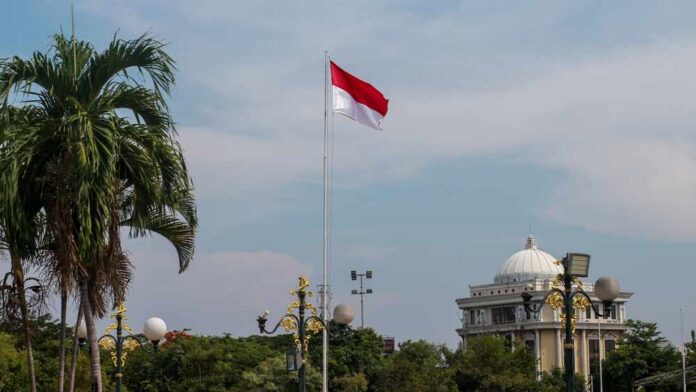
Russia commits to supplying Indonesia with 150 million barrels of discounted oil, bypassing Western sanctions and Middle East chaos in a bold pivot that exposes global energy vulnerabilities.
Story Highlights
- Indonesia secures 100 million barrels immediately plus 50 million optional from Russia at special discounted prices after Prabowo-Putin summit.
- Deal enables strategic stockpiling for 6-12 months of imports, shielding against price spikes and supply disruptions.
- Move diversifies from volatile Middle East amid US-Israel-Iran tensions and Strait of Hormuz issues, echoing America’s own energy independence push.
- Highlights frustration with globalist policies that leave nations exposed to elite-driven crises and unreliable suppliers.
Prabowo-Putin Diplomacy Seals Major Oil Commitment
Indonesian President Prabowo Subianto met Russian President Vladimir Putin in Moscow on April 13, 2026, for a three-hour discussion that yielded Russia’s pledge to supply 150 million barrels of oil. The agreement includes 100 million barrels at a special discounted price right away, with an option for 50 million more. Hashim Djojohadikusumo, Prabowo’s brother and Special Envoy for Energy and Environment, announced the deal on April 23 at the Economic Briefing 2026 in Jakarta. This high-level diplomacy positions Russia as a key alternative supplier during global energy strains.
Strategic Stockpiling Amid Global Energy Crisis
Indonesia, a net oil importer consuming over 500,000 barrels daily despite its OPEC history, faces chronic dependence on foreign crude. The 150 million barrels represent 6-12 months of import needs, stored domestically to buffer economic volatility. This responds to tightened supplies and higher prices from US-Israel-Iran tensions and potential Strait of Hormuz disruptions. Energy Minister Bahlil Lahadalia targets Russian crude arrivals as early as April 2026, building on post-2022 increases in discounted Russian purchases via non-G7 refiners.
Key Players and Motivations
Hashim Djojohadikusumo brokered details, emphasizing storage against volatility. Prabowo drove the initiative post-inauguration in October 2024 to diversify sources. Putin committed supplies amid Western sanctions pushing Russia toward Asian markets. Bahlil leads LPG talks and infrastructure pushes. Organizations like Pertamina prepare refineries for Russian crude, while Rosneft, Zarubezhneft, and Lukoil line up as suppliers through G2G and B2B channels. Family ties between Prabowo and Hashim streamline execution.
Economic and Political Ramifications
Short-term, the deal stabilizes Indonesian prices, lowers import bills, and enables immediate imports. Long-term, it reduces Middle East reliance, enhances crisis resilience, and bolsters Prabowo’s diplomacy. Consumers and refiners gain from discounts buffering inflation; Russia secures revenue. Broader effects include deeper Russian presence in ASEAN energy, pressuring OPEC, and rebalancing sanctioned oil flows. Both conservatives and liberals see this as proof federal elites prioritize power over securing affordable energy for working families chasing the American Dream—or its global equivalent.
Indonesia Says Russia Will Supply 150 Mn Barrels of Oilhttps://t.co/N9t41170R1
— AL24News ENGLISH (@Al24newsEnglish) April 23, 2026
Sources:
Indonesia says Russia will supply 150 million barrels of oil – The Star
Indonesia says Russia will supply 150 mn barrels of oil – al24news
Indonesia secures 150 million barrels of oil from Russia – Report.az
Indonesia secures 150 million barrels of Russian oil at special price – Antara News
Indonesia says Russia will supply 150 million barrels of oil – Free Malaysia Today