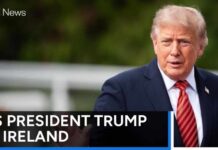

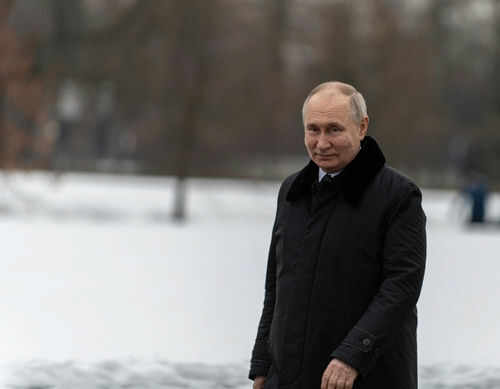
President Trump declares Vladimir Putin’s presence at the G20 summit in Miami would be “very helpful,” signaling a bold push for diplomacy that challenges years of isolation and elite-driven foreign policy failures.
Story Snapshot
- Trump states on April 23, 2026, that Putin’s attendance at the December G20 in Miami would be “probably very helpful,” despite no confirmed plans.
- U.S. officials plan to invite Russia at ministerial level, with leader-level possible, as host nation leverages influence.
- Trump doubts Putin will attend, citing strained relations from past exclusions like the G8 suspension under Obama.
- Move highlights Trump’s America First approach to direct talks amid global tensions and ongoing Ukraine conflict.
Trump’s Direct Remarks Spark Diplomatic Debate
On April 23, 2026, President Donald Trump told reporters in the Oval Office that Russian President Vladimir Putin’s attendance at the G20 summit would prove beneficial. Trump responded to questions by saying, “No, but if he came, it would be probably very helpful… I doubt he’d come.” He emphasized his belief in talking to everybody, contrasting with previous administrations’ freezes on Russia. This statement came amid reports of U.S. considerations for inviting Russia, positioning Trump early in his second term as favoring pragmatic engagement over isolation.
Historical Context of U.S.-Russia Tensions
Russia lost its G8 membership in 2014 after annexing Crimea, a move Trump attributes to former President Obama’s policies, reducing the group to G7. G20 participation continued for Russia, though leader attendance varied due to sanctions and the Ukraine conflict. Precedents exist, such as Putin’s presence at the 2018 Buenos Aires G20 despite strains. Trump’s comments reference these exclusions, advocating a reset that prioritizes dialogue to address economic and security issues affecting American interests.
The 2026 summit, set for December 14-15 at Trump’s Doral resort in Miami, focuses on economic cooperation. As host, the U.S. holds key leverage on invitations. Senior officials confirm plans for Russian participation at working levels, with leader-level under discussion, signaling potential easing of rhetoric after Trump’s August 2025 meeting with Putin in Alaska.
Stakeholders and Power Dynamics
Key players include Trump, who seeks diplomatic wins and de-escalation; Putin, who could gain legitimacy; and G20 nations balancing trade with security. U.S. State Department coordinates invitations, while NATO allies express wariness. Kremlin spokesman Dmitry Peskov noted Russia’s history of G20 attendance, with decisions pending closer to the date. Deputy Foreign Minister Alexander Pankin confirmed a “highest level” invitation, though acceptance remains uncertain.
Trump’s pro-engagement stance contrasts with elite-driven policies that frustrated both conservatives and liberals. Conservatives see value in fossil fuel stability and reduced globalist entanglements; liberals worry about legitimizing aggression amid conflict losses. Shared distrust of a deep state prioritizing power over people underscores calls for leaders who tackle real problems like inflation and immigration.
Potential Impacts and Expert Views
Short-term, eased U.S.-Russia rhetoric could spark ally backlash but boost cooperation prospects. Long-term, breakthroughs on trade or war resolution loom, or divisions deepen if snubbed. Affected parties include G20 economies, Ukraine, and global markets monitoring energy stability. Analysts frame this as a shift in engagement, debating risks versus peace benefits, with Trump’s history of favoring talks central to interpretations.
Sources:
Trump says Putin attending G20 in Miami would be ‘very helpful’
Trump doubts Putin’s attendance at G20 summit amid easing US-Russia relations
Trump: Helpful if Putin attends G20 summit in US