
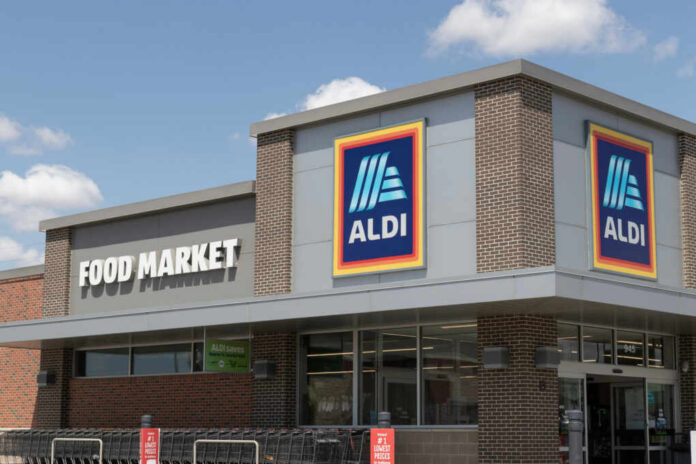
America’s fastest-growing grocer Aldi just declared war on 44 harmful food additives, delivering a major win for families fighting Big Food’s toxic grip without raising prices.
Story Highlights
- Aldi expands restricted ingredients from 13 to 57 by December 2027, targeting artificial preservatives, colors, flavors, and sweeteners in private-label products.
- Builds on 2015 precedent when Aldi pioneered removal of synthetic dyes, outpacing competitors like Walmart and Save A Lot.
- Phased rollout maintains low prices and updates packaging for transparency, benefiting budget-conscious shoppers.
- Aligns with rising consumer demand for cleaner foods amid federal scrutiny, reinforcing market-driven health improvements over government mandates.
Aldi’s Bold Announcement
On April 22, 2026, Aldi announced the elimination of 44 additional ingredients from its private-label food, vitamin, and supplement products by December 2027. This expands the restricted list from 13 to 57, including new bans on BHA, BHT, titanium dioxide, and artificial sweeteners like acesulfame K. Aldi commits to no price increases, preserving its discount model while enhancing product quality. Reformulated items roll out in phases with updated labels for full transparency.
Historical Leadership in Clean Labels
Aldi pioneered clean-label standards in 2015 by removing 13 ingredients, such as synthetic colors like FD&C Red No. 40, trans fats, MSG, and brominated vegetable oil. This positioned Aldi ahead of rivals in a competitive grocery landscape. The 2026 expansion formalizes supplier expectations, ensuring exclusive private-label products—over 90% of stock—meet rigorous standards. Suppliers receive clear deadlines, minimizing disruptions while adapting formulations.
MAHA VICTORY: Supermarket Giant Aldi to Strip Dozens of Additives from Store-Brand Products by 2027 | The Gateway Pundit | by Ben Kew https://t.co/zLSmH5DskW
— Judy (@jmsousa1124) April 26, 2026
Federal scrutiny on additives like titanium dioxide drives industry changes, with competitors following Aldi’s lead. Walmart announced its largest private-brand reformulation in fall 2025, targeting dozens of artificial ingredients by January 2027. Save A Lot plans to remove seven dyes by 2027. Aldi’s moves cater to shoppers seeking simpler ingredients without premium costs, differentiating discounters through quality.
Impacts on Consumers and Suppliers
Low-income families gain access to affordable, additive-free options across food categories, addressing health concerns tied to ultra-processed foods. Aldi emphasizes “products shoppers can feel good about,” building trust amid frustrations with government failures on food safety. Suppliers face reformulation costs but benefit from formalized guidelines. Short-term supply adjustments occur during phased rollouts, with long-term gains in industry-wide standards.
Some shoppers express skepticism, questioning if listed ingredients remain in use or if changes affect taste. Reddit users note items like cyclamate, banned since the 1970s, fuel PR doubts. Despite this, Aldi’s actions empower consumers, bypassing elite-driven policies for practical, market-led improvements that echo calls for healthier America without expanding federal overreach.
Broader Significance in 2026
In President Trump’s second term, with Republicans controlling Congress, private sector initiatives like Aldi’s highlight free-market solutions over Democrat obstructions and past liberal overspending. This counters deep state influences in food regulation, delivering real wins for the American Dream—hard work rewarded with safe, affordable groceries. Both conservatives and liberals share distrust of elite mismanagement; Aldi proves companies can prioritize people over profits.
Sources:
Aldi’s Plan To Cut More Ingredients Has Some Shoppers Skeptical
ALDI Eliminating an Additional 44 Ingredients
Aldi to remove 44 ingredients from private label assortment
ALDI Bans 44 Artificial Ingredients From Its Own Products
Aldi to remove 44 ingredients, label products with shopper nicknames