

California power brokers tried to block new energy, and Washington just called their bluff.
Story Snapshot
- The Interior Department’s five-year plan opens parts of California and Florida waters to oil leasing starting 2027 [1].
- Interior Secretary Doug Burgum says the plan protects jobs and strengthens U.S. energy supply [2].
- The administration is invoking the Defense Production Act to restart the Sable platform off Santa Barbara [1].
- West Coast governors promise legal fights and call the plan dangerous to coasts and tourism [8].
What Washington Announced And When Lease Sales Begin
The Department of the Interior released a five-year offshore drilling plan on November 20, 2025. The plan schedules lease sales off central and southern California starting in 2027, with northern California in 2029. It also targets the Eastern Gulf of Mexico, no closer than 100 nautical miles off Florida, with auctions expected in 2029. Supporters frame the move as overdue after years of limited leasing. Opponents call it a rollback of past protections for coastal communities [1].
Interior Secretary Doug Burgum said the program is designed to boost supply and safeguard American jobs. He argued that offshore projects take years to deliver oil, so planning now is vital. The administration says a stronger domestic supply reduces reliance on foreign barrels that come with higher costs and weaker standards. The plan replaces what officials call the smallest modern leasing program and sets a path to keep offshore workers on the job while meeting long-term demand [2].
Why The Sable Platform Restart Became A Flashpoint
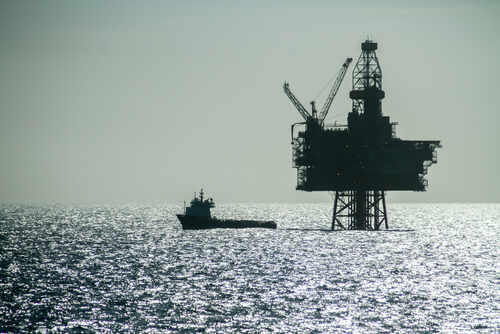
The administration is invoking the Defense Production Act to reactivate the Sable offshore platform near Santa Barbara. Officials and company leaders say it can ramp up output to meet West Coast fuel needs, including jet fuel demand tied to Los Angeles travel. Supporters say blocking domestic barrels only shifts demand overseas. Critics counter that Sable’s pipeline ruptured in 2015 due to corrosion and say they doubt fixes are proven. California regulators previously opposed a restart [1].
Federal authorities overrode state objections to proceed, citing national energy needs. That call ignited warnings from environmental groups and coastal officials about spill risks and tourism harm. The White House position is that modern standards and federal oversight can manage risk while protecting jobs and supply. Skeptics argue they have not seen third-party safety audits or detailed repair records made public post-2015, and they press for independent testing before full operations resume [1].
State Pushback, Lawsuits, And What Comes Next
West Coast governors, including California Governor Gavin Newsom, pledged a united front against new leasing. They labeled the plan “disastrous” and promised to use every legal tool to stop it. Expect formal comments, lawsuits under environmental law, and coastal zone challenges. The governors argue spill history and beach economies demand caution. The administration replies that lease areas are in federal waters, and America must not outsource energy and jobs due to state-level politics [8].
See a president's energy policies.
Trump approved offshore drilling in Alaska and on the East Coast & Biden didn't
Trump approved drilling in Anwar and on federal lands & Biden didn't
Trump approved the Keystone XL pipeline & Biden didn't
Trump never wanted to ban…
— Steven M.Y. (@StevenMichaelY3) June 27, 2026
Florida Republicans also scrutinized the Eastern Gulf auctions. They sought assurances that drilling stays far offshore and does not harm beaches, bases, or tourism. The plan’s 100-nautical-mile buffer aims to answer those concerns. But critics still warn of spill risk and cleanup costs. Supporters say the Gulf already hosts thousands of wells that power U.S. families and industry. They argue careful siting and strict rules can protect coasts while adding secure supply at home [1].
Energy Security Claims And The Evidence Gap
Officials link expanded drilling to lower costs and stronger security. They argue domestic oil reduces foreign dependence and helps fight inflation at the pump. However, the public record so far lacks detailed federal price models or supply-impact estimates tied to these specific lease sales. Without those numbers, fuel price relief remains a policy claim, not a proven outcome. The administration can close this gap by releasing modeling and timelines that show how new barrels affect markets [2].
The Sable restart raises a similar proof issue. Supporters tout safety and upgrades, but critics highlight the 2015 spill and demand independent verification. Clear inspection records, corrosion test results, and third-party certifications would inform the public and undercut alarmist talking points. Transparency would also strengthen the legal case when states sue. Conservative readers should watch for these documents. If they show robust fixes, that will blunt coastal fear campaigns and bolster confidence in the restart [1].
What It Means For Families, Jobs, And National Strength
American families still rely on oil for driving, flying, shipping, and farming. Supply shortfalls hit working people through higher prices for gas and goods. Opening targeted offshore areas can support union and nonunion jobs, steady refinery runs, and a safer, cleaner supply chain than many foreign sources. Careful leasing, tough oversight, and real transparency can defend both paychecks and coastlines. That is the balance Washington must prove in the months ahead [1].
Here is the bottom line. California regulators tried to stall domestic energy while imports fill the gap. The federal plan re-centers policy on American workers and security. Strong rules, real-time monitoring, and public safety reports should move alongside leases. If the administration delivers that proof, lawsuits will look political, not protective. If it does not, critics will gain ground. Voters should demand energy strength and clear facts at the same time [8].
Sources:
[1] Web – Trump launches crackdown on California coastal regulators
[2] Web – Trump opens parts of Florida, California waters up to offshore oil …
[8] Web – Trump Is Said to Propose a Plan That Would Open California Waters to …