

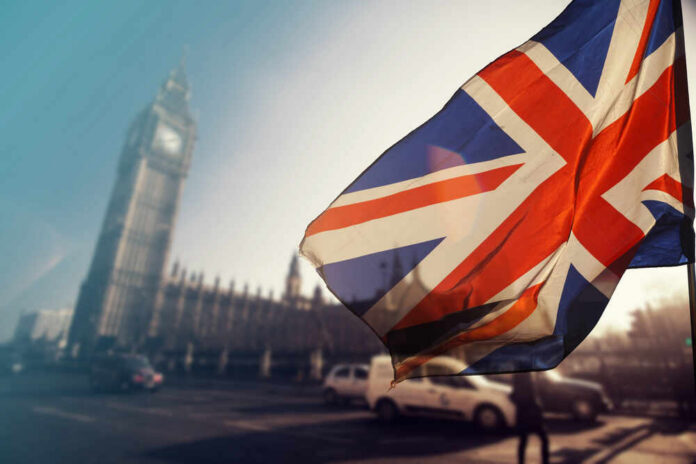
Brexit did not just change Britain’s place in Europe. It shattered the old rules of British politics and left the country stuck with the fallout.
Quick Take
- Brexit split British politics into rival camps that still shape public debate today.
- Supporters said it would restore sovereignty, control immigration, and unlock new trade deals.
- Later research found major economic costs, weaker trade, and lower productivity after leaving the European Union (EU).
- Public opinion has turned sour, with many voters now saying Brexit hurt the country more than it helped.
How Brexit Redrew British Politics
The 2016 referendum became more than a vote on Europe. It turned into a test of identity, class, and trust in government. Research from Harvard Kennedy School says the result upended British politics and helped create a new divide between Leavers and Remainers[4]. A decade later, that split still shapes elections, party loyalty, and how voters judge the country’s direction.
That political break was sharp because the promise was so big. Leave leaders argued that Brexit would restore control over laws, borders, and trade. A 2023 UK in a Changing Europe poll found that 34 percent of voters still felt Brexit had given Britain more control over its own affairs, while 20 percent thought EU immigration had fallen because of it[1].
The Promises That Collided With Reality
Brexit backers also sold the vote as a path to stronger trade and a freer economy. But the economic record has moved the other way. The National Bureau of Economic Research estimates that by the end of 2025, Brexit had cut United Kingdom gross domestic product by 6 percent to 8 percent, while investment fell 12 percent to 13 percent and employment fell 3 percent to 4 percent[3].
That damage did not hit in one sudden crash. It built slowly through uncertainty, extra paperwork, and weaker business confidence. The Office for Budget Responsibility says the post-Brexit trade relationship with the European Union will reduce long-run productivity by 4 percent and leave exports and imports about 15 percent lower than if Britain had stayed in the bloc[8].
Immigration, Trade, and the Political Fallout
Immigration was one of Brexit’s biggest selling points, but the outcome has been messy. The Centre for Economic Policy Research says Brexit ended free movement and restricted labor supply, yet net migration from the European Union is now negative[7]. At the same time, Britain has still faced intense public anger over immigration, showing that leaving the European Union did not settle the issue that drove many Leave voters in the first place.
The political system also paid a heavy price. The referendum triggered a long chain of resignations, leadership fights, and broken promises that weakened public trust. Britain now lives with the same basic argument that started in 2016: whether Brexit was a hard reset for national independence or a costly act of self-harm. The evidence now points to a simple truth. It delivered sovereignty talk, but it also left Britain poorer, more divided, and less stable than before[5][6].
Sources:
[1] YouTube – How Brexit in 2016 broke today’s British politics
[3] Web – [PDF] Understanding the economic impact of Brexit – Institute for …
[4] Web – The Economic Impact of Brexit – NBER
[5] Web – The Economic Costs of Brexit on the UK | Econofact
[6] Web – [PDF] The Economic Impact of Brexit – NBER
[7] Web – Brexit Economical Impact | Business and Management – EBSCO
[8] Web – The impact of Brexit on the UK economy: Reviewing the evidence