
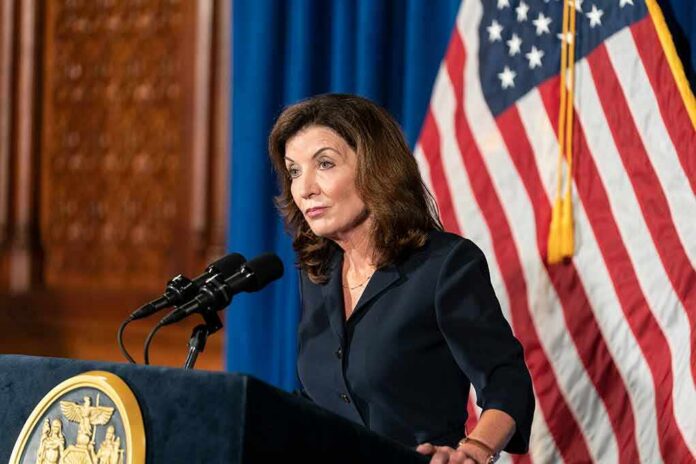
President Trump urged New Yorkers to elect Bruce Blakeman and remove Governor Kathy Hochul, calling her among the nation’s worst governors.
Story Highlights
- Trump endorsed Bruce Blakeman for New York governor in a late-campaign push.
- Trump rallied with Blakeman in Syracuse before thousands and attacked Hochul’s record.
- Trump cited steep utility and energy cost increases under Hochul, while promising relief under Blakeman.
- Hochul’s team framed Blakeman as offering “Trump-style leadership” as polling showed mixed reactions to Trump’s backing.
Trump’s Endorsement and Message to New York Voters
President Trump used a tele-rally days before Election Day to press voters to back Bruce Blakeman and end Governor Kathy Hochul’s tenure. Trump said Hochul “may be the worst governor in the history of New York State and one of the worst in the nation,” and called Blakeman a longtime friend who will restore order and affordability. The appeal targeted bread-and-butter concerns: taxes, crime, and high costs. The timing aimed to energize right-leaning, suburban, and independent voters still weighing their choice.
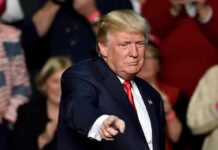
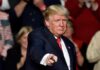
Trump did not keep his message behind a phone line. Earlier in October, he stood with Blakeman at a Syracuse rally that drew an estimated crowd of about 5,000. He urged voters to “get your act together” by electing Blakeman and blasted Albany’s agenda. He tied Hochul’s leadership to rising bills and government overreach. The event gave Blakeman a visible show of national support and a chance to link his campaign to a tougher stance on crime and energy policy.
Energy Costs and Promises of Relief
Trump charged that, since Hochul took office, utility rates rose dozens of times and energy prices doubled in New York, pinching families and small businesses. He claimed a Blakeman administration would cut electric bills by as much as 70% to 90%. Those figures, presented at the rally, were framed as the payoff of changing course on mandates and fees that load costs onto ratepayers. The pitch spoke to voters squeezed by years of higher prices and state-driven energy targets.
Specific regulatory filings and timelines for those rate increases were not detailed in the available reporting. The claims were presented as Trump’s assertions during campaign events, not as a formal rate-case analysis. Voters who want to verify rate actions can look to the New York State Public Service Commission’s case records. The campaign’s core point remained simple: state policy choices drive bills up or down, and a change at the top can shift the burden on families.
The Ballot, Polling Signals, and the Stakes
State election records list Bruce Blakeman on the certified general election ballot, confirming his place at the top of the Republican ticket. That gives the endorsement a clear target and a defined choice for voters. Earlier polling showed Hochul ahead by double digits, which set a high bar for any late push by Blakeman. Campaigns often use major endorsements to close gaps fast and signal momentum to undecided voters before turnout peaks.
Hochul’s team pushed a counter-message that labeled Blakeman’s approach as “Trump-style leadership,” betting that linking him to Trump would help Democrats in a blue state. Reporting cited surveys showing many voters viewed Trump’s backing as a potential drag, even as a solid share welcomed it. That split underscores the stakes: Republicans see a path by uniting frustrated taxpayers and crime-weary commuters, while Democrats try to hold the center by warning against sharp policy reversals.
Why Conservatives Care: Safety, Costs, and Control
Trump’s case for Blakeman centers on core conservative concerns: safer streets, lower bills, and government that stays in its lane. He argued that New York’s current path means more mandates, higher energy costs, and weak accountability. He said Blakeman would reverse course and put families first by easing the burden on ratepayers and taking a tougher line on disorder. For many right-leaning voters, that contrast fits years of frustration with one-party rule in Albany.
The coming vote will test whether a national endorsement can help flip a deep-blue governor’s office. Research on endorsements suggests they can matter at the margins, but they rarely decide races alone. That is why both sides are racing to define the choice in simple terms that hit home: paychecks, public safety, and who sets the rules. For New Yorkers tired of higher costs, the promise is clear: change leadership in Albany, and change the bill that lands in the mailbox.
Sources:
nypost.com, yahoo.com, governor.ny.gov, politico.com