

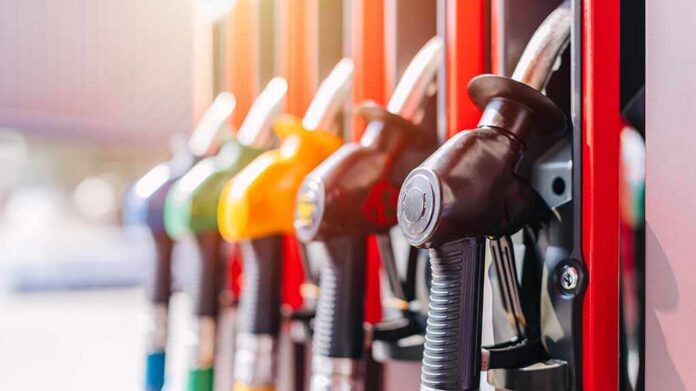
Consumer prices jumped as gasoline spiked, putting energy costs back at the center of family budgets before the midterms.
Story Highlights
- Consumer Price Index rose 0.6% in September and 3.7% over 12 months.
- Gasoline prices surged 9.1% in September, driving about half the monthly increase.
- Core inflation rose 0.3% monthly and 2.6% yearly, still sticky but slower than headline.
- Reports tie rising prices to global energy strains alongside domestic pressures.
What The New Inflation Report Says
The Bureau of Labor Statistics said consumer prices rose 0.6% in September and 3.7% over the past year. Energy was the main mover. The energy index rose 5.2% in a single month. Gasoline alone jumped 9.1%, which accounted for about half of the monthly gain. That hit drivers and shipping costs at the same time. Families felt it fast at the pump and at the store. These are headline numbers that voters can see every week on gas station signs.
News outlets covering the report stressed the gasoline spike and energy’s large role. They also noted that core inflation, which excludes food and energy, rose 0.3% in September and 2.6% over 12 months. That shows broader prices still rising, but slower than the headline pace. The split matters. Energy shocks can move headline inflation hard and fast. Core tends to react less and later. The current pattern fits that history and keeps pressure on household budgets.
Energy Shock: How We Got Here
September’s energy surge followed an upswing already in motion. Government data for late summer showed energy prices accelerating before the latest jump. That set the stage for a bigger move when global supply worries deepened. Axios reported that continuing hostilities tied to Iran and related supply strains pushed fuel costs higher into September. That timing lines up with the gasoline surge that powered the headline increase and squeezed commuters and small businesses.
Past months also showed a steady climb in pump prices. That climb hit family finances and shipping costs across the country. When fuel rises this fast, it raises the cost to move food and goods. It also raises utility and heating costs as cooler weather nears. Energy moves like this often feed through in waves. First, drivers pay more. Next, stores pass on higher transport costs. Then, services that depend on vehicles and equipment raise prices too.
Core Prices, Tariffs, And Services: The Broader Mix
Analysts tracking the broader picture point to more than fuel. Some highlight service costs, housing lags, and trade policy as forces that keep prices sticky. A Los Angeles Times report quoted economists who say tariffs and fuel costs add to what families already face from years of high prices. Others point to strong demand and a tight job market. These factors can keep prices firm even when one shock fades. That helps explain the 0.3% September core increase.
Other research this year argued that import tariffs have lifted price pressures and that the pass-through can take time. Analysts warned that some of that effect would keep working through 2026. These views do not deny the energy spike. They argue the price problem has layers: fuel shocks hit fast, while services, housing, and tariffs grind on more slowly. Voters feel both. They pay more to fill the tank and still see higher prices for daily needs.
What It Means For Families And Policy
Households now face a one-two punch. Gas prices surged, and everyday costs remain high. Energy’s jump took headline inflation up to 3.7% year-over-year, while core sits at 2.6%. For fixed-income seniors and working families, that gap does not matter—dollars still leave the wallet faster. Leaders focused on affordability will aim to expand domestic energy production, speed permits, and clear red tape that blocks pipelines and refining upgrades. Those steps can add supply and ease prices over time.
Fiscal and trade choices also matter. Spending restraint can cool demand over time. Careful tariff policy can protect key industries without loading extra costs onto shoppers. Families want common-sense answers, not lectures. They want cheaper fuel, lower grocery bills, and steady rent. September’s report shows energy is the pressure point again. The path forward runs through more American energy, simpler rules, and a budget that respects taxpayers. That mix targets the root causes families feel every day.
Sources:
theamericanconservative.com, cnbc.com, bls.gov, foxbusiness.com, stocktitan.net