
A suspected drone strike on a British RAF base in Cyprus is the kind of “limited defensive” commitment that can turn into a direct target overnight.
Quick Take
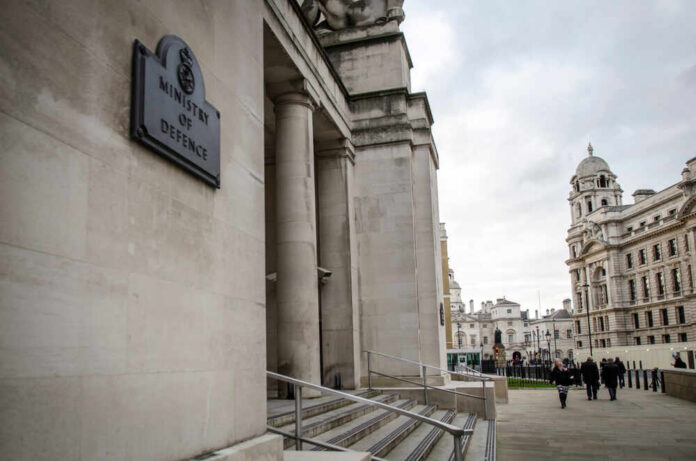
- The UK Ministry of Defence confirmed an incident at the RAF base in Cyprus after explosions were reported, with early reporting describing a suspected drone strike.
- The strike came after Iran launched missiles and drones across multiple countries in the region following U.S.-Israel strikes on Iran.
- UK Prime Minister Keir Starmer approved only “specific and limited” use of British bases for collective self-defense against missile threats.
- Prior U.S. requests to use certain UK bases had been blocked in earlier disputes, making this approval a notable policy shift.
RAF Cyprus Hit as “Defensive-Only” Support Meets Reality
British officials confirmed an incident at the UK’s RAF base on Cyprus after reports of explosions, with coverage describing a suspected drone strike. The timing matters: the event came as the U.S. and Israel escalated strikes on Iran and Iran responded with missile and drone attacks across the region. Cyprus, home to RAF Akrotiri, is a strategic hub for regional operations—meaning any hit there carries immediate military and political consequences.
UK statements have emphasized restraint. Starmer’s government described the decision to allow U.S. use of British bases as “specific and limited” and framed it as collective self-defense, focused on countering missile threats rather than joining a wider offensive campaign. Even with that framing, the incident underscores a hard reality: adversaries often do not respect fine-print distinctions between “defensive” posture and “participation” once bases and infrastructure are involved.
How the Escalation Built: Strikes, Retaliation, and a Wider Target Set
The latest phase began after U.S.-Israel strikes hit targets in Iran, followed by Iranian retaliation involving missiles and drones aimed at multiple countries in the Middle East. Reports described attacks affecting Israel and several Gulf and regional states, alongside broader disruptions such as airspace restrictions and heightened security alerts. The sequence shows why bases like Akrotiri become flashpoints: they sit inside the operational geography of any missile-defense effort and can be viewed as enabling it.
Some uncertainty remains because early descriptions labeled the Cyprus incident “suspected” in terms of the weapon and attribution. That matters for public accountability, escalation management, and alliance decision-making. What is not unclear is the strategic message that a strike on a UK facility communicates: as the battlefield expands, adversaries look beyond the immediate combatants and toward supporting nodes—airfields, logistics corridors, and missile-defense infrastructure that help the coalition absorb and respond to incoming fire.
Starmer’s Base Decision: “Limited Use” With High Strategic Costs
Starmer’s approval for U.S. use of British bases, described as limited and defensive, marked a departure from earlier points where UK basing options were reportedly constrained amid political disputes. That shift is central to understanding why Cyprus suddenly became more than a regional outpost. When an ally authorizes basing tied to missile defense against an active barrage, the base becomes part of the real-time contest—regardless of how carefully the authorization is worded back home.
For conservative readers watching from the U.S., the lesson is familiar: deterrence and defense require hard assets, but hard assets draw fire. The Trump administration’s posture toward Iran has centered on confronting nuclear and missile threats, while signaling readiness to use military power. That kind of clarity can strengthen deterrence, but it also raises the stakes for every allied facility that supports defensive coverage, surveillance, refueling, or rapid strike options in the region.
What This Means for Allies, Civilians, and the Broader Region
Regional blowback is not limited to military facilities. The wider crisis has already been associated with aviation disruption and heightened risks for foreign nationals across the region, while governments evaluate evacuation plans and protective measures. Strategically, a strike on a UK base adds pressure inside NATO-aligned politics: it forces leaders to balance force protection, public transparency, and alliance commitments under stress—especially when the adversary is using missiles and drones to impose costs across borders.
In the near term, the key unknowns are operational: whether further attacks will follow, whether attribution becomes clearer, and how allied air-defense and basing rules adjust. In the longer term, the episode highlights the vulnerability of forward bases to low-cost drones and missiles—precisely the kind of asymmetric threat that has grown during years when Western leaders talked “de-escalation” while hostile regimes invested in strike capability. Limited information is available beyond confirmed statements and early reporting; key verified points are summarized here.
Sources:
https://www.telegraph.co.uk/world-news/2026/03/01/us-launches-second-wave-of-strikes-on-iran/