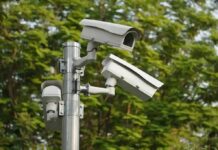


Norway plans a temporary public-place ban on AI smart glasses, raising fresh alarms about creeping surveillance and government overreach in everyday life.
Story Highlights
- Norway will seek a temporary ban on AI glasses in many public spaces, citing privacy risks.
- Officials say the goal is to prevent recording people without consent in sensitive settings.
- The plan targets parks, beaches, museums, shopping centers, schools, hospitals, and big events.
- The move stops short of a total ban and allows private use while rules are reviewed.
Norway Moves to Curb Wearable Cameras in Public Gathering Spots
Norway said it will propose a temporary ban on AI smart glasses in places where people gather often, like parks, beaches, museums, shopping centers, and public events. The government framed the move as a way to protect people from being filmed without consent. Officials also flagged schools, kindergartens, and health care settings as likely targets for tighter limits. The plan would go to parliament and would not bar private use at home or in settings where bystanders are not at risk of recording.
Officials said the step is temporary. They argued more time is needed to study the devices, decide which models and features matter, and judge whether permanent rules are needed. The government said this is not a blanket ban. Private ownership and private use would still be allowed. That framing shows the policy is still in flux and focused on misuse risk in public, rather than stopping ordinary people from owning or using new tools at home.
Privacy Rationale and the List of Sensitive Venues
Reports describe a long list of venues where people are more vulnerable. These include health facilities, changing rooms, schools, youth clubs, gyms, and swimming pools, plus concerts and sports events. The aim is to reduce covert filming and to give families, children, and patients more peace of mind. The government has also signaled past concern about facial recognition and public-space tracking, which aligns with stricter rules on smart glasses and related features.
The record so far relies on government statements and wire reporting, not a full legal draft. The sources do not include a ministry white paper or a bill with exact terms. They also do not show incident data about misuse in Norway or explain why current privacy and surveillance laws would not cover bad actors. Those gaps make the case feel precautionary. Still, the privacy risk cited by officials is clear and tied to covert recording in crowded places.
What It Means for Travelers, Families, and Tech Users
Travelers who wear AI glasses to capture their trips could face new limits at top destinations and venues. Families may welcome fewer cameras near kids at schools, pools, and parks. Museums, malls, and event hosts could gain clearer rules for entry and security. Tech users will need to watch signage and local guidance, since a temporary ban often leads to patchwork enforcement by venue. The plan allows private use, so at-home and one-on-one use without bystanders remains outside the scope.
Norway is planning a temporary ban on smart glasses in some public places, amid rising global concern at the spread of the AI-enabled recording devices.
The Oslo government is planning a bill to prevent the use of the camera-enabled spectacles in parks, beaches, museums,…
— Mike Alderson FRSA (@OpenEyeComms) October 6, 2026
For Americans, the message is familiar: Europe tests rule-by-restriction when new tech collides with privacy. Supporters say this shields the public from stealth recording. Critics warn it normalizes surveillance and control by the state and venue operators. Even advocates for these devices admit context matters in places like clinics and locker rooms, but they also note benefits for people with disabilities. Norway’s approach tries to split the difference with narrow, time-limited rules while it studies the facts.
How Conservatives Should Read This Trend
American conservatives value privacy, family safety, and limited government. Norway’s move highlights a tension: stop covert recording in kid-heavy and private spaces without punishing normal, peaceful use. A targeted, time-bound rule can be sensible if it is clear, narrow, and not a back door for broad tracking or data grabs. The risk is mission creep, vague terms, and uneven policing that hits ordinary tourists or parents while bad actors slip by. Clear limits and due process must be nonnegotiable.
What to Watch Next
Watch for the exact legal text: definitions, listed locations, signage, and penalties. Look for whether facial recognition or live streaming gets special treatment. Check if event organizers or store owners must enforce the rules, which can shift power from citizens to private gatekeepers. Finally, track whether the government publishes real incident data to justify permanent rules. If not, temporary controls should sunset on schedule, not drift into a standing ban by default.
Sources:
foxnews.com, reuters.com, abcnews.com, euronews.com, enca.com, firstpost.com