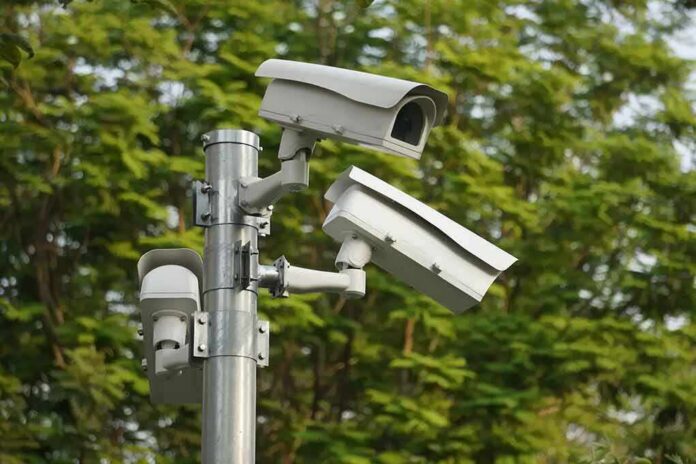
Fourteen unpermitted license-plate cameras appeared on Florida roads with no clear owner, exposing a serious gap in government oversight.
Story Highlights
- St. Lucie County found 14 Flock license-plate cameras that were not in its permit records.
- The sheriff’s office claimed three cameras; 11 remain without a publicly identified owner.
- County staff posted removal notices and prepared to disable unpermitted devices if deadlines pass.
- Flock said it contacted the county and is willing to help identify the disputed cameras.
County Discovery Points to Missing Permits and Unknown Ownership
St. Lucie County officials said they expected 52 Flock automated plate readers when they began removals. They then discovered 14 more devices that were not in county permit files or the authorized inventory, prompting notices to be posted on each camera. The county reported it could not match the devices to any permit applicant. The sheriff’s office acknowledged three cameras as theirs but did not explain the missing paperwork, leaving 11 without a public owner.
County leaders previously voted to stop issuing permits for new automated plate readers on county property, which put the discovery in sharp focus as an oversight problem, not a routine review. Officials said staff would enforce deadlines, including bagging or rendering the unpermitted cameras inoperative if owners did not respond. Reports did not show which parcels or road authorities control each site, which limits clarity on who should have applied for permits.
What Flock Says About Permits, Access, and Data Control
Flock told reporters it contacted St. Lucie County and is willing to help review the disputed devices, while noting that permitting rules vary by jurisdiction. Company materials say customers, such as cities, police, businesses, or neighborhoods, control access and data use, and every search is logged to a specific user. Local coverage quotes Flock saying the operating agency, not the vendor, controls the data, which underscores the need to name who runs each camera.
Those points do not answer the core gap in St. Lucie County: who installed the 11 unclaimed cameras and under what approval. Current reports do not include installation records, backend access logs, or vendor provisioning data that would show who can tap the feeds or how long data was kept. Until those facts are produced, the county is treating the devices as unpermitted hardware on public rights-of-way, subject to removal notices and enforcement steps.
Why Conservative Readers Should Care: Privacy, Due Process, and Local Control
Unchecked surveillance on public roads threatens basic privacy and due process. When hardware appears without a paper trail, citizens cannot know who is tracking plates, how long data is stored, or whether searches are tied to a lawful case. Local control matters most here. County staff are right to demand a permit trail, device logs, and a named operator. Clear rules defend families, stop mission creep, and keep big-tech contractors and agencies inside constitutional guardrails.
Lawmakers, sheriffs, and county managers can fix this with simple steps. First, audit every site against permits and right-of-way records. Second, require vendors to provide serial numbers, activation dates, and customer-of-record details for each device. Third, mandate access logs, short retention by default, and published policies. These are common-sense rules that back the badge while protecting the public. If an agency owns a camera, it should say so, in writing, before it ever goes live.
Sources:
washingtonpost.com, newser.com, engadget.com, yahoo.com, san.com, newsmax.com, wmtv15news.com, independent.co.uk