
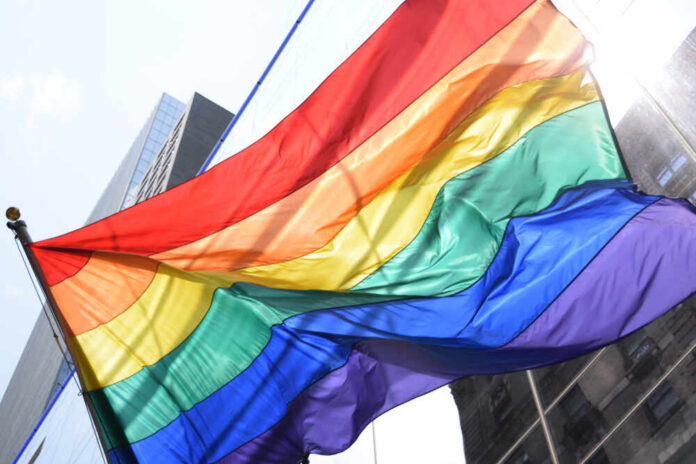
California’s utility supplier program now rewards identity labels with contract goals, and critics say that crosses a bright line.
Quick Take
- The California Public Utilities Commission certifies LGBT business enterprises and other diverse suppliers for utility procurement programs.[1][2]
- The program sets a 1 percent procurement goal for LGBT business enterprises, with a planned increase to 1.5 percent.[5][7]
- Supporters call the policy an inclusion tool, while critics see it as identity-based favoritism baked into public contracting.[3][6]
- Large utilities must report their supplier diversity efforts, which keeps the pressure on even without a formal quota.[2][5]
What California’s Program Actually Does
The California Public Utilities Commission’s supplier diversity program certifies businesses owned by women, minorities, LGBT people, persons with disabilities, and disabled veterans.[1][2] The commission says the goal is to foster a competitive marketplace by encouraging utilities and related firms to include those businesses in procurement.[6] That structure matters because the program does not just track diversity after the fact. It builds identity categories into the state’s buying rules and reporting system from the start.
The policy also comes with specific spending targets. One California utility association says the program’s procurement goals include 15 percent for minority-owned firms, 5 percent for women-owned firms, 1.5 percent for disabled veteran-owned firms, and 1 percent for LGBT business enterprises, with the LGBT goal rising to 1.5 percent in 2024.[5] The Supplier Clearinghouse says covered utilities must develop and implement programs to increase the use of diverse businesses and include certified purchases in annual filings.[2][7] That is why critics view it as more than a simple outreach plan.
Why Critics Call It Discrimination
Conservative critics argue that any system built around preferred identity categories inevitably disadvantages everyone outside those categories. That criticism is strongest when public agencies set numerical goals for one group and not others, then require detailed reporting to show progress.[2][5] Benny Johnson’s framing captures that argument in blunt terms: if the state steers contract opportunities toward certified LGBT businesses, then non-LGBT firms do not get the same treatment. The complaint is less about private choice and more about government-managed preference.
The strongest factual point behind that criticism is the program’s own language. The California Public Utilities Commission says its framework encourages utilities to increase procurement from LGBT and other diverse suppliers, while the Supplier Clearinghouse says utilities can only include purchases with certified diverse suppliers in annual filings.[2][6] That does not prove illegal discrimination by itself. It does show a public system that ties contract access to identity certification, official goals, and reporting pressure. For many readers, that looks like government favoritism with a nicer label.
Why Supporters Defend the Policy
Supporters say the program is a diversity measure, not a ban on anyone else bidding. The commission describes its rule as a way to create a competitive marketplace, and some utility pages say the program aims to give maximum practical opportunities to diverse firms.[5][6] The National LGBTQ+ and Allied Chamber of Commerce also says California was the first state to require intentional inclusion of certified LGBT business enterprises in utility contracting.[3] In that view, the policy is a remedy for old barriers, not an attack on other business owners.
Are you gay enough to get a California utilities contract?
Cal’s regulators prioritize LGBT-owned utility contractors…
Businesses get certified as LGBT-owned by LGBT orgs receive “supplier-diversity benefits” from the CalPubUtilities Commission (CPUC)https://t.co/TEyMMgiKpT— Chet (@ChetRusinek) June 18, 2026
There is also a practical wrinkle that weakens the claim of total exclusion. Some utility and local energy agencies say all suppliers may still participate, while only certified diverse firms count toward diversity reporting goals.[11][13][17][19][21] That means the program is not a blanket bar on non-LGBT firms. Still, the state’s own certification system gives special weight to identity status, and that is exactly what fuels the backlash. For readers wary of woke bureaucracy, the larger issue is government picking winners by category.
What the Record Shows So Far
The record supports two truths at once. California does run a supplier diversity system that specifically includes LGBT business enterprises and gives utilities numeric procurement goals.[1][2][5][7] It also appears to leave room for any supplier that can win business on merit, so the policy is not the same as a total exclusion rule.[6][11][19] The real fight is over whether state-managed identity goals are a fair corrective or a form of official favoritism dressed up as inclusion.
Sources:
[1] YouTube – ‘Wholesale discrimination against white straight people’: Benny …
[2] Web – Certification – California Public Utilities Commission
[3] Web – [PDF] General Order 156 Certification
[5] Web – owned businesses through supplier diversity goals, with utilities …
[6] Web – About the CPUC Utility Supplier Diversity Program
[7] Web – Supplier Diversity Program – California Public Utilities Commission
[11] Web – Supplier Diversity | Canada’s 2SLGBTQI+ Chamber of Commerce
[13] Web – Understanding Supplier Diversity Certifications – SupplierGateway
[17] Web – [PDF] SUPPLIER DIVERSITY – Clean Energy Alliance
[19] Web – Public utilities seek LGBTQ+ contractors – New York Post
[21] Web – SoCalGas Exceeds California’s Supplier Diversity Procurement Goal …