A ceasefire that stops the bombing and reopens the oil lanes is real—but the fight over Iran’s nukes, sanctions, and who pays the bill is just getting started.
Story Snapshot
- The new U.S.–Iran memorandum of understanding (MOU) ends active fighting and orders a halt to hostilities on all fronts, including Lebanon.
- The deal lifts the U.S. naval blockade and fast-tracks the reopening of the Strait of Hormuz, easing pressure on global energy prices and American families.
- Iran only “reaffirms” it will not seek nuclear weapons, while the hard details on uranium, inspections, and enforcement are pushed into a 60‑day follow‑on negotiation.
- The text commits the U.S. to negotiate sweeping sanctions relief and access to frozen assets for Iran, raising fears of cash flowing to a hostile regime.
What the Iran Memorandum Actually Does Right Now
The memorandum of understanding between the United States and Iran is a short, 14‑point text that functions as an interim ceasefire and framework, not a full peace treaty.[3] It orders an “immediate and permanent end” to the war on all fronts, including Lebanon, and bars either side from launching new hostile actions or even threatening force.[3] For war‑weary Americans and troops in harm’s way, that is a real pause in the shooting, even if nobody trusts Tehran to behave for long.
The document also forces both sides to respect each other’s borders and stay out of each other’s internal affairs, at least on paper.[3] Just as important for everyday Americans, the text commits Washington and Tehran to negotiate a final agreement within 60 days, with the option to extend by mutual consent.[3] That deadline is where the real fight over Iran’s nuclear program, terrorism support, and future U.S. leverage will play out, and critics warn the current text gives Iran too much breathing room.
Strait of Hormuz Reopens, Oil Flows, and Iran Gains New Leverage
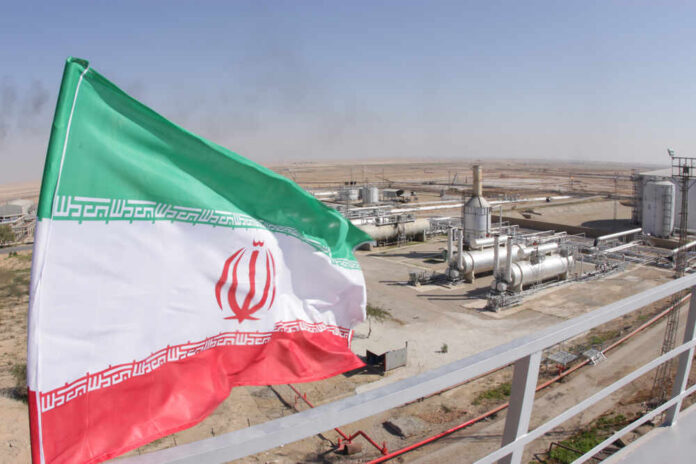
On the economic front, the memorandum requires the United States to lift its naval blockade “immediately” after signing and to restore shipping traffic to pre‑war levels within 30 days.[3] Reporting on the same text says the Strait of Hormuz is to reopen without tolls during the initial phase, giving global energy markets a badly needed release valve after months of turmoil.[5] That is a direct win for American drivers, small businesses, and families hammered by high fuel and transport costs since the war began.
In return, Iran pledges safe passage for commercial ships, free of charge, for roughly two months as traffic returns to normal through the Strait and nearby waters.[3] Analysts note that this arrangement still recognizes Iran’s crucial role in the waterway and gives its regime a pressure point it did not fully enjoy before the crisis.[1] If Tehran can shut the spigot again whenever it wants more concessions, conservatives worry this “peace” could become a cycle of blackmail that keeps America hooked to the whims of a radical government.
The Nuclear Question: Big Promises Now, Tough Details Later
Supporters of the deal point to language where Iran promises not to develop, acquire, or buy a nuclear weapon, and President Trump has framed that pledge as the core victory of the memorandum.[2] But experts who have seen the text and early summaries say the nuclear language is thin, largely a reaffirmation of Iran’s long‑standing claim that it does not seek nuclear arms.[12] The fate of its enriched uranium stockpile, limits on enrichment, and intrusive inspections are all pushed into the 60‑day follow‑on talks instead of being locked down now.[5]
Security analysts at a major think tank describe the memorandum as a framework that will probably reduce violence and increase shipping, but that “does not appear to resolve” key issues like nuclear concessions and detailed rules for the Strait.[16] That means the United States has ended the active war and given up the blockade before closing Iran’s paths to a bomb. Critics on the right and left argue this sequence risks repeating past mistakes, where Iran banks up front relief and then stalls or cheats once the pressure is gone.[9]
Sanctions Relief, Big Money, and Who Really Pays the Price
Financially, the text and public briefings point toward deep sanctions relief for Iran if a final accord is reached. The memorandum says the United States will end “all types of sanctions” on Iran, including United Nations measures and unilateral American sanctions, on a schedule agreed in the final deal.[3] Separate reporting describes plans to unfreeze Iranian assets and even build a huge reconstruction and development fund for Iran worth hundreds of billions of dollars, funded mainly by regional partners.[4][14]
White House officials stress that American taxpayer money is not directly committed in the current memorandum and say any economic gains for Iran depend on verified compliance with nuclear and ceasefire terms.[10] Even so, conservative and Israeli critics warn that opening the door to broad sanctions relief—beyond what President Barack Obama allowed—could supercharge a regime that still backs terror groups and attacks U.S. allies.[12] For readers who remember pallets of cash under the last Democrat administration, the fear is simple: Iran gets paid, while enforcement stays vague and future leaders might loosen the reins even more.
Sources:
[1] YouTube – As Trump nears agreement to suspend war in Iran, big questions remain …
[2] Web – Read the transcript of the deal between the US and Iran – AP News
[3] YouTube – Washington confirms details of deal with Tehran
[4] Web – [PDF] Memorandum of understanding between the US and Iran
[5] YouTube – US and Iran sign MOU aimed at ending war and to reopen Strait of …
[9] Web – Three key takeaways from US-Iran agreement – BBC
[10] Web – Criticism Of Trump’s Iran Deal Grows From All Sides As … – Forbes
[12] Web – Trump’s Iran deal draws backlash from Republicans | Fox News
[14] Web – U.S. and Iran Close in on a Framework Accord – The Soufan Center
[16] Web – President Trump signed the Iran Memorandum of Understanding …