

A New Jersey mayor left his seat, charged a resident, and shouted a threat on camera—and the split-second that triggered it now risks defining his career.
Story Snapshot
- Video shows Mayor Matthew Bianchini rushing resident Michael Sawka and yelling, “I’m getting you.”
- Bianchini says he “basically snapped” after an obscene gesture and months of family harassment.
- Sawka says he stayed seated, denies targeting the mayor’s family, and filed a complaint.
- The clash erupted during a tense meeting over a township official’s firing.
The Flashpoint Everyone Can Replay
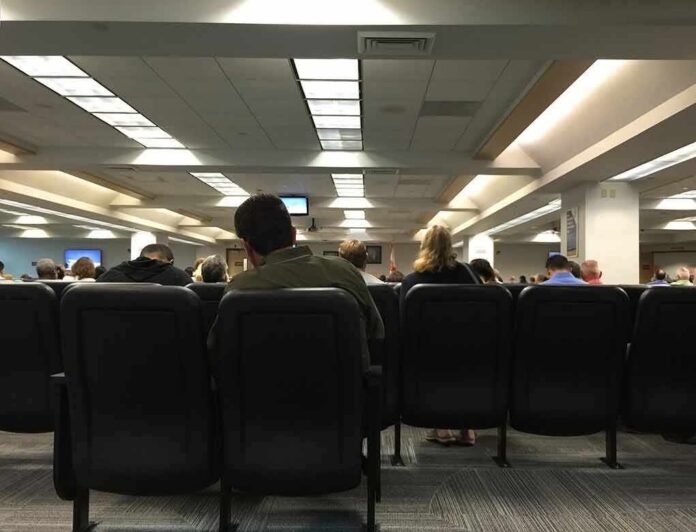
Footage from the Pemberton Township council meeting captures Mayor Matthew Bianchini standing, crossing the room fast, and shouting, “I’m getting you,” before others restrained him. Resident Michael Sawka appears seated during the approach. The clip spread across news sites within hours and drove calls for the mayor’s resignation. On video alone, the public sees a leader closing distance and uttering a threat in a public forum. That image anchors the narrative.
Bianchini told reporters he “basically snapped,” pointing to what he called a crude hand gesture from Sawka and a longer run of alleged abuse aimed at his wife and daughter. He admitted saying things he should not have said, but argued his reaction felt justified in that moment. He framed the meeting as already chaotic, with tempers high and a township employee’s firing under appeal. That context helps explain emotion, but it does not erase the tape.
Two Stories, One Room, No Pause Button
Sawka rejects the mayor’s frame. He says he never stood up, did not target the family, and focused his criticism on spending and alleged corruption. He called for police during the meeting and later filed a municipal complaint for assault and terroristic threats. He also wants Bianchini to resign. This version puts the burden on the elected official to keep composure when words sting. It underlines that the resident did not advance on the dais.
The strongest evidence on Sawka’s side is the unblinking video: a seated critic, a moving mayor, and a clear verbal threat. The strongest evidence for Bianchini is his claim that the gesture came first and that his family faced months of harassment. The record offered so far does not include screenshots, police reports, or sworn witness accounts detailing that alleged pattern. Without that proof, the defense rests largely on emotion and provocation, not imminent danger.
What Counts as Protected Heat—and What Crosses the Line
Public meetings invite hard speech. Courts and researchers draw a wide circle around criticism of officials, even when rude, loud, or personal. The First Amendment makes space for sharp elbows at the microphone, and best practice guides warn leaders not to punish hecklers simply for offense. That freedom ends when conduct becomes a true threat or disrupts proceedings beyond control. The balance is hard, but the presumption favors speech, not force.
Pemberton Township Mayor Matthew Bianchini is defending his actions after a heated confrontation with a resident during a township council meeting Wednesday night was caught on video: https://t.co/TO4ms1n416
— NBC10 Philadelphia (@NBCPhiladelphia) October 22, 2026
Local officials face a real rise in hostile encounters. Interviews with more than 150 local leaders show threats and harassment are common. A California survey found most respondents had faced abuse in recent years. That climate can push decent people to the brink. But standards exist for a reason: power must show restraint in the room where government meets the people. Process, not passion, is the only safe way through the noise.
The Conservative Case for Composure and Consequences
American conservative values prize order, accountability, and equal rules applied without fear or favor. On those terms, the mayor’s words—“I’m getting you”—and his rush across the chamber fall short. If Sawka’s gesture crossed a legal line, the right answer was to gavel, recess, and document the conduct, not to close distance and escalate. Authority should channel anger into records, charges, and procedure, because that is how communities stay free and safe.
What Should Happen Next
Officials should release the full, unedited meeting video to fix the timeline and confirm what was said and done before the charge. Investigators should review any prior complaints or reports tied to the alleged harassment of the mayor’s family. The municipal complaint deserves a standard legal review on the elements of assault and terroristic threats. The council should refresh its rules on decorum, warnings, and removal, so speech stays free and meetings stay secure.
Sources:
foxnews.com, abcnews.com, nbcphiladelphia.com, yahoo.com, newjerseyglobe.com, al.com, bridgingdivides.princeton.edu, caselaw.findlaw.com, supremecourt.gov