
Minneapolis Tensions Explode Over ICE Actions
Federal immigration enforcement can’t survive on “trust us” narratives when courtroom evidence and video keep forcing stories to change.
Story Snapshot
- ICE shot Venezuelan national Julio Cesar Sosa-Celis in the thigh during a Jan. 14 arrest attempt in North Minneapolis after a traffic stop and foot chase.
- DHS initially described the incident as an “ambush” involving an attack with a snow shovel and broom handle, but video and eyewitness accounts reportedly undermined that version.
- A federal judge dismissed felony assault charges against two Venezuelan men accused of attacking the agent, citing evidentiary conflicts.
- Federal authorities opened an investigation into whether two ICE officers made untruthful statements under oath; both were placed on leave.
What happened in North Minneapolis, and why the story changed
ICE agents conducted a targeted traffic stop on Jan. 14 in North Minneapolis involving Julio Cesar Sosa-Celis, a Venezuelan national. Reports say Sosa-Celis fled by vehicle, crashed, then ran on foot as agents tried to arrest him. During the attempted arrest, an ICE agent fired one handgun round that struck Sosa-Celis in the thigh, sending him to the hospital with what was described as a non-life-threatening injury.
DHS publicly framed the shooting as a defensive response to an “ambush,” claiming Sosa-Celis and two others attacked an agent with a snow shovel and a broom handle. The complication is that video evidence and eyewitness accounts described in subsequent reporting did not match key parts of that account. That gap between initial statements and what outside evidence appears to show has become the central issue now driving legal and political fallout.
A judge tossed assault charges as the perjury probe opened
On Feb. 13, a federal judge dismissed felony assault charges against two Venezuelan men who had been accused of attacking the ICE agent during the Jan. 14 incident. The dismissal mattered because it pointed directly to evidentiary problems—where testimony and charging theories did not align cleanly with video or other accounts summarized in reporting. In practical terms, the judge’s decision removed a major legal pillar that had supported the original DHS narrative.
The same day, federal authorities announced an investigation into whether two ICE officers made untruthful statements under oath related to the shooting, and the officers were placed on leave. That step does not prove wrongdoing; it does indicate investigators believe the alleged discrepancies are serious enough to examine under the standards applied to sworn testimony. For the public, it raises the stakes beyond politics and into basic institutional credibility.
Minneapolis tension grew amid an enforcement surge and competing narratives
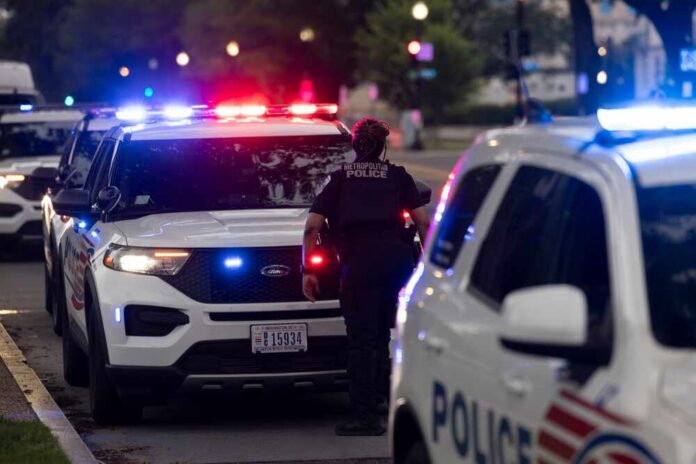
The Jan. 14 shooting unfolded during heightened immigration enforcement activity in Minneapolis and rising friction between federal agents and local political leadership. Reporting described parts of North Minneapolis—home to many immigrant families—as operating under heavy anxiety, with some businesses closing temporarily amid fears of raids. Protests followed, and police responses reportedly included irritants and flashbangs, intensifying the sense that the city was on edge.
Gov. Tim Walz publicly criticized the federal posture and urged residents to record ICE activity. According to reporting, the Jan. 14 shooting happened shortly before a statewide address in which Walz condemned the increased federal presence. That timeline matters because it shows how quickly enforcement actions can become political flashpoints. It also shows why careful, verifiable public statements are essential when agencies exercise force in tense environments.
A broader pattern: video is increasingly the referee in use-of-force disputes
Coverage of the Minneapolis case tied it to several prior incidents since late 2025 in which video or body camera evidence reportedly contradicted early DHS or ICE descriptions of shootings. Examples cited in reporting include fatal shootings in Minneapolis earlier in January 2026—Renee Good and Alex Pretti—along with cases around Chicago involving Silverio Villegas González and Marimar Martinez. Not every detail of each case is identical, but the recurring theme is the same: early claims get tested against footage.
For conservatives who support strong borders and effective deportation operations, that pattern creates a real problem: enforcement legitimacy depends on the perception that federal power is exercised lawfully, truthfully, and competently. When courts dismiss charges and investigators open probes over sworn statements, it hands activists a megaphone while distracting from the core mission—removing criminal illegal aliens and restoring order. The Trump administration’s challenge is to enforce the law while insisting on airtight accountability.
Minnesota shooting of Venezuelan man is the latest where video evidence contradicts ICE accountshttps://t.co/XeUcB4uYAC
— Dánica Coto (@danicacoto) February 15, 2026
At this point, the public record described in reporting indicates unanswered questions remain, and investigators have not released a final determination. The most concrete, verifiable developments are the dismissal of charges against the two Venezuelan men and the federal inquiry into possible false sworn statements. Until the investigation concludes, the facts that matter most are procedural: courts demanded stronger proof, and the government is now scrutinizing its own officers’ testimony.
Sources:
DHS: ICE officers in Minneapolis shoot Venezuelan man in the leg
Minnesota shooting of Venezuelan man is the latest where video evidence contradicts ICE accounts