

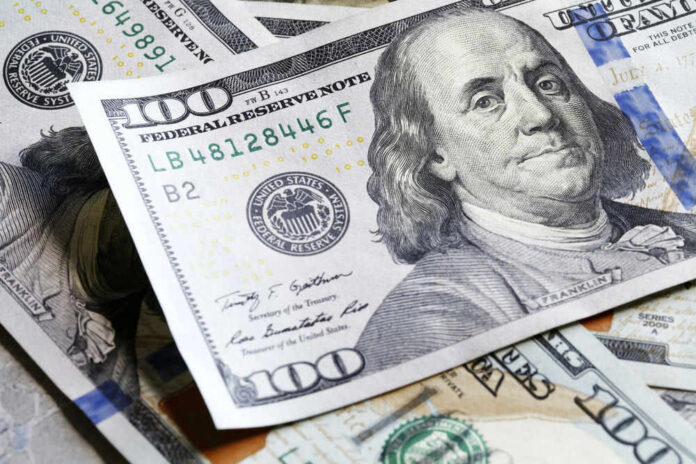
A fast-moving de-dollarization trade is exposing a basic truth: the dollar is still dominant, but some governments and investors are quietly building ways around it.
Quick Take
- J.P. Morgan says de-dollarization is real in reserves, Treasuries, and commodity pricing, even if the dollar still rules core global finance.[2]
- The South Centre says sanctions pressure and BRICS coordination have accelerated efforts to diversify away from dollar dependence.[3]
- Most of the evidence points to partial diversification, not a sudden collapse of dollar centrality.[2][3]
- Social media has amplified the story with dramatic “end of the dollar” claims, but the strongest research remains more measured.[1][2][3]
What the Data Actually Shows
J.P. Morgan describes de-dollarization as a significant reduction in the use of dollars in trade and finance, but it also says the dollar’s transactional dominance remains visible in foreign exchange volumes and trade invoicing.[2] The same research notes that the dollar’s share in central bank reserves has fallen to a two-decade low, foreign ownership of United States Treasuries has dropped over the last 15 years, and energy is increasingly priced in non-dollar contracts.[2]
The South Centre reaches a similar conclusion, saying countries are trying to diversify portfolios away from the dollar by liquidating Treasury holdings and increasing exposure to the euro, yen, renminbi, and gold.[3] It also says the dollar’s reserve share has fallen by more than 10 percentage points since the turn of the millennium and that sanctions on Russia have sped up the de-dollarization process.[3] That is a real shift, but it is still best understood as hedging against U.S. policy power, not as a full replacement of the greenback.
Why Conservatives Should Care
For readers who want a strong America, the deeper issue is not symbolism but leverage. The dollar gives Washington enormous financial reach, and rivals clearly understand that reducing dollar exposure can reduce U.S. influence over trade, reserves, and payments.[2][3] That makes this trend strategically important, especially after years of sanctions, reckless spending, and globalist policy habits that encouraged foreign governments to search for alternatives.
The research package, however, does not support the loudest collapse narratives. J.P. Morgan says the recent decline in the dollar’s reserve share is not outside historical variation, and the South Centre says de-dollarization efforts have been “limited and partial.”[2][3] In other words, the market is seeing diversification at the edges, not a clean break from the dollar-centered system that still anchors global invoicing, liabilities, and FX turnover.[2][3]
BRICS, Sanctions, and the Quiet Shift
BRICS countries remain the most visible political force behind the push. The South Centre says BRICS nations have discussed a common currency and want to trade directly with one another, while broader reporting in the research package says settlement in local currencies has expanded in Russia’s regional trade relationships.[3][1] The pattern is plain: countries that dislike U.S. sanctions or U.S. monetary power are building fallback channels so they are less exposed to Washington.
That does not mean the dollar is finished. The strongest sources here repeatedly warn that the dollar still dominates core markets, and that dominance creates powerful network effects that are hard to break.[2][3] But it does mean the “de-dollarization trade” is no fantasy. Gold demand, reserve diversification, non-dollar energy contracts, and local-currency settlement are all pointing in the same direction: slower erosion at the margins, not a dramatic overnight collapse.
What Comes Next
The biggest unanswered question is scale. The sources show clear movement in reserves and some commodity and bilateral trade channels, but they do not provide a full global accounting across payments, debt issuance, derivatives, bank deposits, and invoicing.[2][3] That matters because headlines about the “end of the dollar” often overstate what is actually a piecemeal realignment. The real test will be whether those separate shifts begin to add up to a broader structural change.
Sources:
[1] Web – ‘DE-DOLLARIZATION’ TRADE TAKES OFF…
[3] Web – [PDF] Trends, reasons and prospects of de-dollarization – The South …