

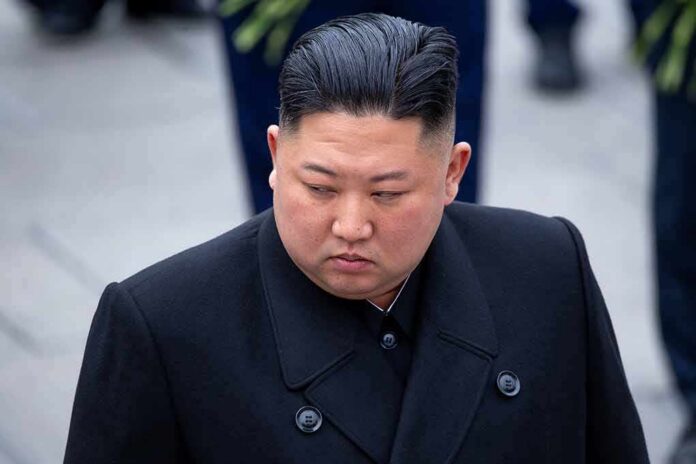
President Trump said he may meet North Korea’s Kim Jong-un during his Asia trip, hinting at leader-to-leader diplomacy that could reshape talks on the peninsula.
Story Highlights
- Trump said a meeting with Kim during his Asia trip “may” happen, with Shenzhen APEC as a possible venue.
- Trump later said he was not sure a meeting would occur, tempering expectations.
- No date, agenda, or North Korean confirmation has been announced by either side.
- Trump cited his personal rapport with Kim as a basis for potential engagement.
Trump Signals Openness to Meet Kim During Asia Swing
President Trump told reporters that he “may” meet Kim Jong-un during his upcoming travel in Asia. He framed the possibility around the Asia-Pacific Economic Cooperation summit in Shenzhen, China. He added that he gets along with the North Korean leader and that such an encounter would be interesting. Reporting on his remarks placed the potential timing around November 18 to 19, when leaders gather in Shenzhen, creating a practical setting for contact on the sidelines if both sides agree.
Trump’s comments match his long-running style of direct leader outreach. He highlighted personal rapport as a way to open doors and keep tensions in check. That approach shaped earlier contacts with Kim and helped avoid drift toward conflict. The Shenzhen gathering could offer the space for a brief pull-aside or a longer talk if staff line it up. As of now, there is no listed session, no set agenda, and no formal plan disclosed by either government.
Expectations Tempered as Plans Remain Unset
Days after first floating the idea, Trump said he did not know whether a meeting would happen. He also said he was not sure anyone was asking for one at this time. Those remarks cooled the early buzz and reminded observers that logistics, security, and consent from all sides drive final decisions. Reports also noted the absence of confirmation from Pyongyang, which keeps the idea in the “possible” column rather than the “scheduled” one.
Coverage from the region underscored that neither Washington nor Pyongyang had announced a date or place. The statements so far only signal interest and leave room for diplomacy to shape the outcome. The Shenzhen summit could still allow quick contact if both leaders find it useful. But officials have not released any nuclear policy agenda or negotiation points tied to a potential encounter, and no terms have been outlined for what each side might seek or trade.
What a Meeting Could Mean for Pressure and Peace
A short leader meeting can cool tensions and set a tone. It can also keep pressure on the North to avoid tests that risk a crisis. Past summits showed that top-level talks need strong staff work to lock in real steps on missiles and nuclear sites. Without that groundwork, meetings can stall. Trump’s approach aims to use personal ties to break deadlocks, but concrete gains usually come when working teams have clear tasks and timelines already mapped.
For conservatives, the stakes are simple. America needs peace through strength, tight sanctions enforcement, and verifiable steps if talks advance. A meeting on the sidelines of APEC could support that course if it reinforces pressure and clarity. If no meeting happens, the United States still holds the initiative by setting expectations and keeping allies close. Either way, Trump’s signal puts Washington in the driver’s seat while avoiding promises that reward bad behavior.
Key Unknowns Before Shenzhen
The open questions are clear. Who would attend a possible session, how long would it last, and what issues would be on the table? Reports do not show any agreed plan to discuss specific nuclear sites, timelines, or sanctions relief. There is also no public sign from Pyongyang that it has accepted or even received a concrete proposal. With leaders soon to gather in China, final calls will depend on security, schedules, and whether both sides see value in even a brief exchange.
Sources:
cbsnews.com, ianslive.in, donga.com, koreatimes.co.kr