

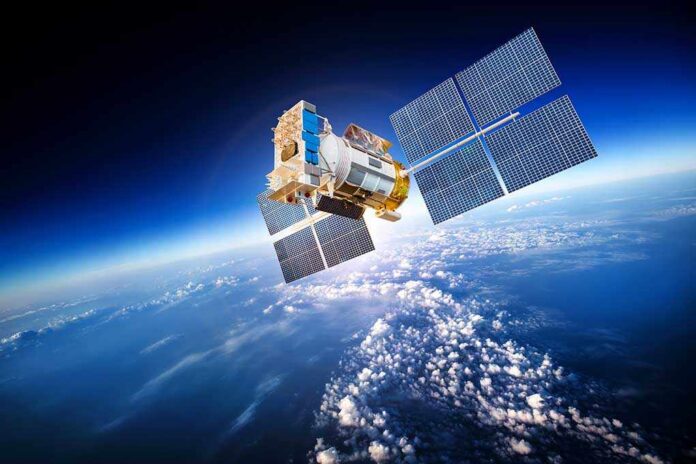
Italy will share military radar satellite images with Ukraine under strict “Ukraine-only” use rules, raising fresh questions about Europe’s role in wartime targeting and security.
Story Highlights
- Italy’s 13th aid package includes access to imagery from two COSMO-SkyMed military radar satellites.
- Rome limits use of the images to Ukrainian territory, not deep inside Russia.
- Defense Minister Guido Crosetto briefed Italy’s parliamentary security committee on the classified package.
- Radar satellites can see through clouds and darkness, improving battlefield awareness.
Italy’s Package: What Was Approved and Why It Matters
Italy is granting Ukraine access to imagery from two COSMO-SkyMed military radar satellites as part of Rome’s 13th military aid package, according to multiple reports dated November 15–16, 2026. Italian media state the data can be used only over Ukrainian territory. That rule is meant to support defense and limit risks of strikes deep into Russia. The package reportedly also includes ammunition for the SAMP/T air defense system, showing a mix of intelligence support and air defense resupply.
Italian Defense Minister Guido Crosetto presented the classified package to Copasir, the parliament’s security and intelligence oversight committee, on November 10, with reports describing a two-hour briefing. This step signals that the move went through formal oversight, not just rumor or commentary. While the decree text is not public, the consistent reporting outlines the two-satellite access and the territorial limits. The structure mirrors how allies have quietly expanded intelligence help to Ukraine since 2022.
How Synthetic Aperture Radar Changes the Battlefield
The COSMO-SkyMed system uses radar to capture images day or night and through clouds, smoke, or bad weather. That makes it useful in autumn and winter, when cloud cover blocks normal cameras. Radar images can show vehicle movement, supply areas, and damage patterns. Analysts can compare images over time to spot changes. This improves warning and planning for Ukraine, even if the images are restricted to activity over its own territory.
Reports say the data is “imagery access,” but do not specify whether Ukraine will get raw data, processed pictures, or Italian-written analysis. That matters because raw radar data needs expert processing. Still, even processed images can help commanders map threats and direct defenses. The territorial rule suggests Italy wants to aid defense, not authorize surveillance for strikes inside Russia. That line can be blurry in practice, but the rule is clear in the reporting.
Oversight, Limits, and Europe’s Expanding Role
The Copasir briefing places this deal within Italy’s legal framework. Reports also note approvals from senior ministers are required for the decree, reflecting coordination across defense, foreign affairs, and finance. Domestic politics in Rome remain complex, with some figures showing caution on further Ukraine aid, but the government advanced this package through formal channels. The measured approach aims to help Ukraine while setting guardrails on how the data is used.
This move fits a wider trend. Since 2022, Ukraine has received satellite help from governments and commercial firms. Studies of the war show satellite intelligence has improved situational awareness and helped track Russian movements. Analysts describe how imagery supports logistics, air defense, and precision when paired with other sensors and intelligence sharing. Italy’s step adds European capacity to that mix, signaling that allies are spreading the load as the conflict drags on.
What It Means for the United States and NATO
For American readers, this shows allied burden-sharing at work. President Trump has pressed Europe for years to carry more of the load. When a partner like Italy funds space capabilities and shares imagery, it eases pressure on United States systems and taxpayers. It also strengthens North Atlantic Treaty Organization (NATO) deterrence. Better eyes in the sky make it harder for Moscow to hide armor, missiles, or logistics hubs near the front.
Ukraine utilizes HiSKY SRL for long-range offensive drone operations & offensive deep-strike missions. https://t.co/WH35NmPNEm
Additionally, Ukraine is linked-to COSMO-SkyMed Military Radar Satellites in 13th Aid Package.
— Dan Cataneo 🌐 (@DCataneo) November 19, 2026
Conservatives should watch two things. First, the territorial limit is a test of responsible support. Helping Ukraine defend its land aligns with core American values and avoids open-ended missions. Second, transparency matters. The package is classified, which is normal for intelligence. But Italy used its oversight committee and formal decree process. That model respects the rule of law, keeps government in check, and helps avoid mission creep, all priorities for those who favor limited government.
Bottom Line
Italy’s decision to share COSMO-SkyMed radar imagery gives Ukraine steadier battlefield awareness, in all weather and at night, while drawing a bright line to keep use inside Ukraine’s borders. The move passed through formal oversight and fits a broader allied shift toward more robust, yet controlled, intelligence help. For the United States, European capability like this supports fair burden-sharing, stronger deterrence, and a clearer, limited mission that respects constitutional and strategic prudence.
Sources:
ruskigazeta.com, hamerintel.com, techmaplive.com, nllp.jallc.nato.int