

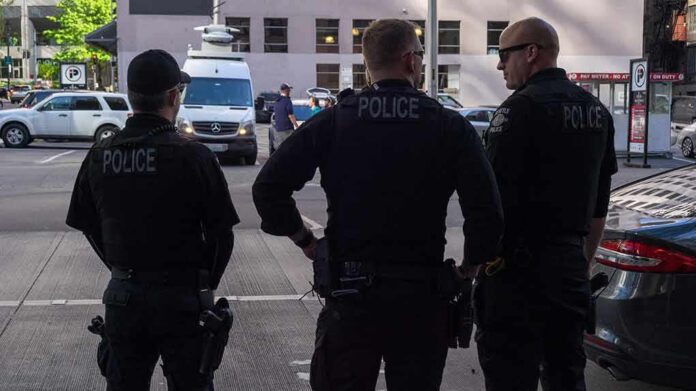
The Justice Department settled with Lexington, Mississippi, after finding the police violated civil rights through unlawful stops, arrests, and fines that hit residents’ wallets and freedoms.
Story Highlights
- Justice Department found a pattern of civil-rights violations by Lexington Police.
- Settlement orders reforms on stops, searches, arrests, use of force, and fines.
- Agreement bans jailing people over unpaid fines without an ability-to-pay check.
- Three-year plan requires training, audits, and dismissing unlawful warrants.
DOJ Finds Pattern of Civil-Rights Violations in Lexington Policing
The Department of Justice (DOJ) said the Lexington Police Department engaged in a pattern or practice of violating civil rights. The DOJ began its investigation in March 2023 under federal law and issued a findings report on September 26, 2024. The report cited unlawful stops and arrests, excessive force, and retaliation against critics. The department also flagged discriminatory enforcement against Black residents and revenue-driven low-level arrests, according to public summaries of the findings.
The Justice Department announced an out-of-court settlement with the City of Lexington on October 16, 2026. The agreement aims to fix the practices identified in the findings report. The DOJ said the city agreed to changes without a court ruling on liability. The settlement focuses on setting clear rules, tracking officer actions, and training staff to follow constitutional limits during stops, searches, and detentions.
Settlement Requires Concrete Policy Changes and Training
The agreement requires policy updates on stops, searches, arrests, use of force, complaint handling, and supervision. It mandates training approved by the DOJ and better records to track compliance. The city must set guardrails for fines and fees and align bail and release decisions with constitutional standards. Supervisors must review body-camera footage and reports. The goal is to reduce unlawful detentions and increase accountability across daily police work.
The settlement bars jailing people for unpaid fines unless a court first checks if they can pay. It also calls for dismissing unlawful warrants tied to unpaid fines and expunging improper fine-based convictions. These steps aim to stop “policing for revenue,” where small tickets and arrests become cash machines for a department. The Associated Press reported that the DOJ tied some low-level arrests to money generation for the police.
What the Findings Say About Discrimination and Force
The DOJ’s 2024 findings describe discriminatory targeting of Black residents for arrests and enforcement. Residents also accused officers of using roadblocks that targeted Black drivers, according to reporting that summarized the report. The DOJ’s statement added concerns about excessive force and retaliation against people who criticized the police. The federal summary said the city and department committed to work cooperatively to fix the violations flagged by investigators.
The public materials do not list exact disparity numbers or detailed incident files. The available summaries do not include body-camera evidence, specific cases, or financial ledgers. The DOJ’s out-of-court approach focuses on forward-looking reforms, not a trial-style ruling on each allegation. Still, the settlement’s scope mirrors the areas the DOJ said were broken, which signals what the department expects Lexington to change and track over the next three years.
How This Fits a National Pattern of Police Reform
Federal “pattern or practice” interventions often push broad reforms instead of one-off fixes. Research on these interventions shows many end in settlements or consent decrees with detailed compliance plans. Studies suggest such agreements can lower use of force and reduce civil rights lawsuits over time. Outcomes often depend on leadership, steady monitoring, and training that sticks in daily practice, not slogans or one-time memos.
#BREAKING: The Justice Department announced it obtained an out-of-court settlement agreement with the City of Lexington to remedy certain violations made by the police department.
DETAILS: https://t.co/Vcv4UNgurn pic.twitter.com/KHCJxgIzIE
— WHLT 22 Hattiesburg (@WHLT22) October 16, 2026
For conservatives, the core issues are clear: government must not trample rights, and policing must be fair, focused, and constitutional. The Lexington plan aims to restore trust by setting bright lines. Officers get clear rules. Citizens get due process. Courts check ability to pay before jailing anyone over fines. Good cops benefit from clear standards. Bad practices face review and correction. The next test is follow-through: the city must deliver the training, audits, and discipline the agreement requires.
What Changes to Watch Over the Next Three Years
Residents should watch for clear stop-and-search rules, body-camera use, and prompt reviews when force occurs. Court procedures should screen for ability to pay before any jail time over fines or fees. Old warrants tied to unpaid fines should be dismissed if unlawful. The city should publish training updates and compliance checks. The agreement can end early if Lexington meets its goals, but it can also be extended if progress stalls, according to the DOJ summary.
Sources:
washingtontimes.com, justice.gov, apnews.com, clickondetroit.com