
The U.S. Embassy in Moscow warned Americans after reports of a suspected pneumonic plague death in Siberia led to hospital quarantines.
Story Snapshot
- The embassy cited reports from Irkutsk of a suspected pneumonic plague death and hospital closures.
- Local officials restricted admissions and discharges at a hospital while contacts were monitored.
- Russian health authorities reported “pneumonia of unknown origin” and denied confirmed plague.
- The World Health Organization said a cause of death had not been confirmed and testing continued.
Embassy Alert Follows Reports Of Quarantine In Irkutsk
The U.S. Embassy in Moscow issued a health alert on October 6, saying it was aware of press reports from the Irkutsk region about a suspected pneumonic plague case, one death, and related quarantine and hospital closures. The embassy noted it was tracking the situation and reminded Americans that assistance in Russia is limited. The alert followed days of coverage describing lockdown steps at local medical facilities and monitoring of contacts tied to the reported case.
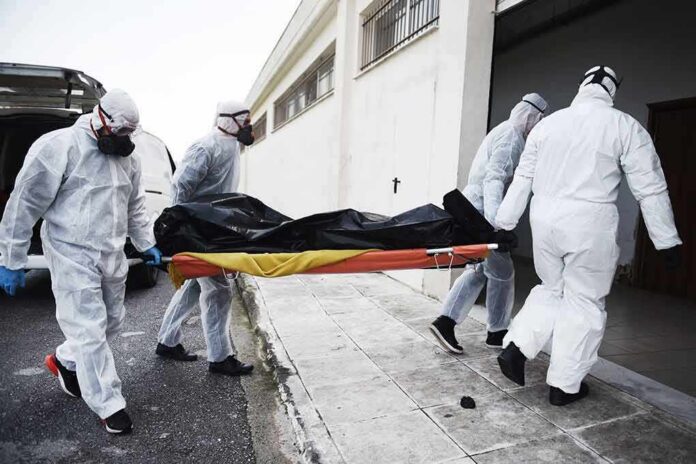
Named outlets reported that health officials placed nearly 200 people under medical observation after a laboratory worker in the Irkutsk area died. Local leaders said at least one inpatient unit stopped routine admissions and discharges while the facility’s lab paused standard services. Those steps signaled a containment posture while authorities assessed risk. Reports varied on exact figures, but all described a focused quarantine response around involved sites and close contacts.
Russian Officials Describe “Unknown” Pneumonia, Not Confirmed Plague
Russia’s consumer and public-health watchdog said the woman was diagnosed with pneumonia of unknown origin. The agency said wide testing did not detect microorganisms tied to her professional work at an anti-plague institute. Officials stressed control measures were in place and pushed back on claims of a confirmed plague diagnosis. Media coverage captured both the denials and the ongoing quarantine, reflecting an early-stage health response and an ongoing search for a definitive cause.
The World Health Organization said it was aware of the reports and that the cause of death had not been officially confirmed. The organization said laboratory testing was underway. That stance supports caution while data develops, and it aligns with a common outbreak pattern: authorities stabilize the scene first, then release findings after labs finish their work. Until results arrive, local officials continue to monitor contacts and manage hospital access as a safety buffer.
What Americans In Russia Should Know Right Now
Americans in Russia should review the embassy’s alert and make practical choices. Stay clear of affected facilities, follow local health instructions, and plan for fewer services if quarantines expand. The State Department has long warned about limited capacity to help citizens in Russia, which means travelers should keep medications, key contacts, and exit plans current. People outside the Irkutsk region face low direct exposure, but common-sense hygiene and distance from outbreak zones still matter.
🚨 BREAKING: THE US EMBASSY JUST TOLD AMERICANS IN RUSSIA TO "DEPART IMMEDIATELY."
The reason for the new alert: suspected PNEUMONIC PLAGUE in Siberia.
Here's what we know:
☣️ A 28-year-old worker at Russia's ANTI-PLAGUE lab in Irkutsk is dead.
☣️ Russian media say she broke a… pic.twitter.com/mScuD2piOt— Alec (@ItsRealAlec) October 7, 2026
Families with travel booked to Siberia or connections through Irkutsk should contact carriers and hotels to confirm operations before departing. If you are in or near Shelekhov or Irkutsk, avoid crowded clinics, wear a quality mask in medical settings, and watch for fever, cough, or shortness of breath. Seek medical advice by phone first if symptoms begin. Keep identification and communication tools ready in case movement rules tighten around medical buildings or transport hubs.
How This Fits A Familiar Outbreak Pattern
Outbreaks often begin with fast, precautionary steps before final lab answers. Here, quarantine at hospitals and contact checks came first, while officials reviewed tests and ruled out some causes. The embassy alert reflected those visible controls and advised Americans to be careful in a country where consular help is constrained. That balance—caution without panic—keeps people informed and ready if the situation changes after laboratory confirmation or official updates arrive.
Sources:
sundayguardianlive.com, abcnews.com, amp.dw.com, preparedbritain.co.uk