

Prosecutors charged a 15-year-old Portland student with domestic terrorism and multiple counts of attempted murder after he allegedly mixed toxic chemicals in his school cafeteria, sending students and staff scrambling for safety.
Story Highlights
- Police and prosecutors filed 19 charges, including domestic terrorism and attempted murder.
- Investigators say the student brought chemicals from home and mixed them in the cafeteria.
- The incident triggered a hazmat response and school evacuation in early September.
- Police first said the student acted alone as they worked to confirm motive.
What Police And Prosecutors Say Happened
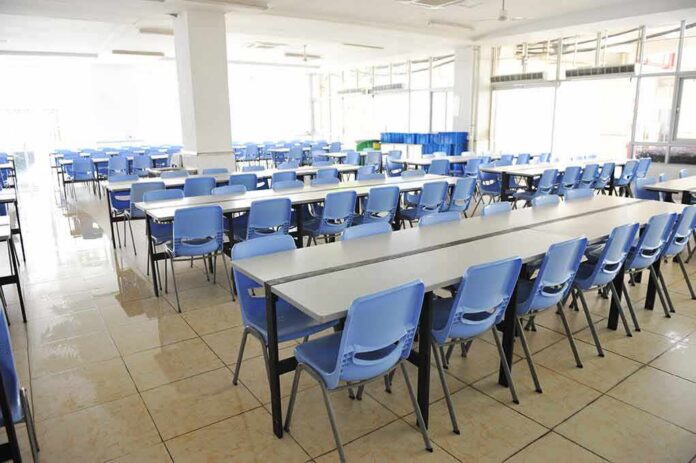
Portland Police and Multnomah County prosecutors say a Benson Polytechnic High School student brought chemicals from home and mixed them inside the cafeteria on September 8, creating toxic gases that put students and staff at risk. Officials later announced a slate of serious charges. The case includes domestic terrorism in both the first and second degrees and numerous counts of attempted murder. Authorities emphasized the scale and potential harm as they moved the case forward in court filings and public briefings.
Local outlets reported the total at 19 counts, with a dozen tied to attempted murder or attempted aggravated murder. Reporters covering the court appearance said the charges were read in detail, matching the police description of the incident’s danger. The charging move marked a turning point in the investigation, shifting focus from a school hazmat emergency to a criminal case centered on intent and the risk to many people. Prosecutors framed the conduct as deliberate and lethal in potential.
How The School Day Turned Into A Hazmat Scene
Early that morning, the student allegedly started mixing substances that produced noxious fumes in the cafeteria, according to investigators. The reaction led to a major response. Fire and police units moved students and staff to safety and began checking for exposure. Local coverage described a rapid evacuation and medical checks for those affected. The quick response likely limited injuries. The teen was hospitalized after inhaling the gases, but police later said he was expected to survive the incident.
Reporters noted that hazardous-materials protocols guided the first hours after the alarm. Responders focused on venting the area, treating symptoms, and stabilizing the scene before deeper motive work began. That order of operations is common in school chemical events. After the scene was safe, detectives collected evidence and interviewed witnesses. That evidence supported the later decision to file terrorism and attempted murder charges tied to the risk the gases posed to many people inside the school.
Charges, Motive, And Public Safety Questions
Police initially told the public that investigators believed the teen acted alone as they worked to determine his motive. That early posture aimed to calm parents while avoiding speculation. As the case developed, prosecutors argued the act fit domestic terrorism and attempted murder because it aimed to create deadly harm in a public place. That is a serious claim that reflects rising concern about threats inside schools and the duty to deter copycats with strong charges, if the facts support them.
Prosecutors said Friday that the FBI found references to the violent online network known as “764” and numerous searches about harming others on devices belonging to the teenager charged in the Benson Polytechnic High School chemical incident.https://t.co/TYOibPrm97
— KATU News (@KATUNews) October 3, 2026
Conservative readers will see two key truths here. First, swift police and first responders protected lives. Second, leaders must treat school threats as crimes against the public, not just “pranks.” When someone brings chemicals to a cafeteria and releases toxic gas, that crosses every line of common sense. Holding the suspect fully accountable respects parents, teachers, and the rule of law. At the same time, due process applies. A charge is an allegation, and the court will test the evidence.
What Comes Next For The Case
Court filings and news coverage indicate the teen will face the 19-count case in the justice system, with prosecutors pressing the terrorism and attempted murder theories. Local stations reported on the first court appearance and the government’s view of the risk to many students and staff. The next steps include pretrial hearings, evidence challenges, and decisions about how the court will manage a juvenile charged with crimes that mirror adult-level public safety threats. The process may take months to resolve.
Why This Matters To Families Nationwide
Parents expect schools to be safe and focused on learning. This episode shows how fast one person’s choices can endanger many. Strong charges send a message: schools are not soft targets. Communities should also push districts to harden safety plans, practice evacuations, and keep parents informed. That approach supports both accountability and prevention. When officials act fast, share facts, and enforce the law, families gain trust that leaders are guarding their kids and their communities.
Sources:
portland.gov, opb.org, youtube.com, katu.com