
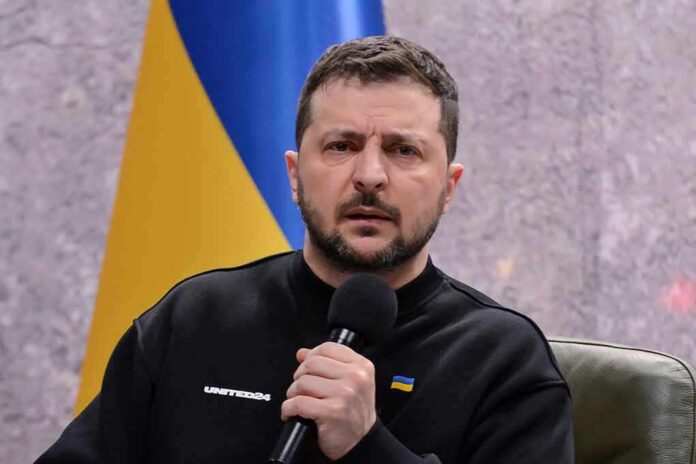
Fresh polling from Ukraine shows trust in President Volodymyr Zelensky sliding from wartime highs, raising hard questions about stalled elections and public patience during martial law.
Story Snapshot
- Ukrainian trust in Zelensky has fallen from early-war peaks into the mid-50s to low-60s.
- Surveys in 2025 and 2026 show majority support remains, but with growing distrust.
- Ukraine has delayed elections under martial law, which Zelensky says must continue.
- The polling trend reflects war fatigue, corruption worries, and a desire for accountability.
What the Latest Polls Actually Show
Independent outlets reported that Zelensky’s approval recovered to 63 percent in February 2025 after a 2024 dip, while trust levels floated in the high 50s, not the near-unanimous peaks seen early in the war. Reuters later reported a drop in trust to 58 percent after protests in mid-2025, showing how unrest can dent support. By late 2025 and into 2026, separate polling and roundups placed support near the upper 50s to mid-60s, signaling a plateau rather than a collapse.
Ukrainian and European coverage stressed a key point: approval stayed above 50 percent even as the “rally-around-the-flag” faded. A Kyiv-based brief and a Ukrainian newspaper both cited results near 63 percent in early 2025, with trust measures in the high 50s. Follow-on polling in 2026 pegged trust closer to the mid-50s after anti-corruption probes, suggesting concern about graft pressures in wartime governance.
Martial Law and the Freeze on Elections
Ukraine’s parliament extended martial law, which suspends normal elections under the Constitution and election law, keeping Zelensky in office until fighting eases. Zelensky told American television that elections are impossible during active war because of law and security, and that he would hold them when conditions allow. Policy reviews and legal analyses echoed that line, arguing that voting amid strikes, displacement, and occupied areas would skew results and deepen division.
This legal freeze matters for how to read the polls. Trust and approval gauge sentiment, but they do not equal a ballot test. Even with support above 50 percent, a large minority now voices distrust. That tension fuels debate about accountability while the vote is on hold. The broader trend fits a normal war pattern: early unity fades as losses mount, costs rise, and corruption concerns surface. The latest snapshots show that mix clearly in Ukraine’s numbers.
The Bottom Line for U.S. Readers and Taxpayers
American conservatives want honest numbers before sending more aid. The data shows no “4 percent” collapse, but also no blank check. Trust slid from highs to the mid-50s, dipped after protests, then steadied near the 60s depending on the measure and timing. That means Ukrainians still back their leader more than not, yet they also demand cleaner government, real oversight, and results on the battlefield and at home.
For Washington, the lesson is simple: tie support to clear goals, strict oversight, and a path that returns Ukraine to normal elections when safe. President Trump’s team can keep pressure on transparency while helping Ukraine defend itself. That approach aligns with American interests, guards taxpayer dollars, and respects the will of Ukrainians who want both security and accountability. The polling trend signals resolve, but also a warning against unchecked promises that ignore war fatigue and rising distrust.
Sources:
theamericanconservative.com, brusselstimes.com, dw.com, kyivindependent.com, pravda.com.ua, reuters.com, newsweek.com, ukraine-war-analytics.com