
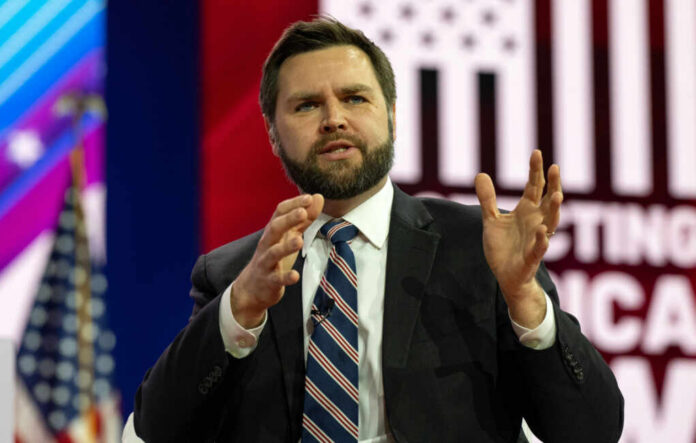
Vice President JD Vance drew a clear line between the Vatican’s spiritual authority and America’s sovereign policy decisions after President Trump’s fiery public criticism of Pope Leo XIV, signaling a breaking point in tolerance for foreign moral lecturing on U.S. governance.
Story Snapshot
- Vance urged the Vatican to “stick to matters of morality” while the Trump administration handles public policy independently
- Trump posted a 330-word condemnation calling Pope Leo XIV “WEAK on Crime, and terrible for Foreign Policy” on April 12, 2026
- The Catholic Vice President defended disagreements with the U.S.-born pope on Iran and Gaza policies while maintaining respect for his spiritual role
- Catholic bishops and lay leaders expressed shock at Trump’s remarks, creating potential political risks among Catholic voters ahead of midterms
Vance Defends Administration’s Policy Sovereignty
Vice President JD Vance publicly responded to escalating tensions between President Trump and Pope Leo XIV by asserting a firm boundary between religious guidance and governmental authority. Speaking on Fox News on April 13, 2026, Vance stated the Vatican should focus on moral matters while allowing the president to manage public policy decisions. The Catholic Vice President defended Trump’s controversial social media post from the previous day, which labeled the pope as weak on crime and foreign policy, dismissing an accompanying AI-generated image of Trump resembling Christ as merely “a joke.” Vance emphasized Americans can respectfully disagree with papal positions on specific policy issues while maintaining reverence for spiritual teachings.
Trump’s Unprecedented Attack on U.S.-Born Pope
President Trump unleashed a 330-word online condemnation of Pope Leo XIV on April 12, 2026, calling him “WEAK on Crime, and terrible for Foreign Policy” while claiming credit for the American-born pontiff’s election to the papacy. Trump removed an AI-generated image showing himself in a Christ-like pose after posting the statement, which came amid papal criticism of Trump administration policies on Iran, Gaza humanitarian concerns, and immigration enforcement. The unprecedented attack on a sitting pope by a U.S. president sparked immediate backlash across the Catholic community, with bishops and lay leaders from across the political spectrum expressing shock at the tone and content of Trump’s remarks.
Catholic VP Walks Tightrope Between Faith and Politics
Vance reiterated his position at a TPUSA event on April 13 or 14, urging Pope Leo XIV to “be careful” when discussing matters of public policy and to focus on preaching the gospel instead. The Vice President acknowledged applying Christian moral truths rooted in his faith to policy decisions but insisted those applications serve American interests first. Vance specifically cited disagreements with the Vatican on Iran policy and defended the administration’s handling of Gaza, claiming improvements in the humanitarian situation. His measured approach attempted to bridge the growing divide between traditional Catholic voters troubled by perceived disrespect toward the pope and Trump’s base, which increasingly views Vatican commentary on American policy as unwelcome foreign interference in domestic affairs.
Political Fallout Threatens Catholic Voter Coalition
The confrontation between Trump and Pope Leo XIV represents more than theological disagreement—it exposes fault lines that could reshape American Catholic political alignment ahead of the 2026 midterm elections. Conservative Catholic organizations like the Reinhardt group blamed media outlets for manufacturing a confrontation narrative, arguing the disagreement reflects normal policy debates rather than fundamental disrespect. Critics within Republican circles, however, called Trump’s post an “unforced error” that alienates Catholic swing voters at a time when party discipline matters most. The unique circumstance of a U.S.-born pope criticizing an American administration’s foreign and domestic policies creates unprecedented church-state tensions, forcing Catholic voters to choose between papal guidance and nationalist policy priorities that prioritize American sovereignty over international moral appeals.
Vance’s approach reflects a broader conservative frustration with global institutions—whether the United Nations, international courts, or now the Vatican—attempting to influence American governance through moral pressure rather than elected representation. His insistence that the Vatican stick to spiritual matters while elected officials handle policy echoes longstanding American principles of separation between church authority and civil government. Whether this stance satisfies Catholic voters who feel caught between their faith’s spiritual leader and their political allegiances remains uncertain as the 2026 campaign season intensifies, but it clearly signals the Trump administration’s unwillingness to moderate policy positions based on foreign criticism, even from the world’s most prominent religious figure.
Sources:
After Trump’s Leo rant, JD Vance says Vatican should ‘stick to matters of morality’