
Amid fresh U.S.–Iran tensions, President Trump posted an AI-style explosion clip of Iran’s Kharg Island and declared it “blown to smithereens,” even as reporters found no proof of an actual strike.
Story Highlights
- President Trump posted a video and caption about Kharg Island being destroyed.
- Reuters reported the clip was likely AI-generated and found no evidence of an attack.
- Iranian officials dismissed the post and said Kharg operations were normal.
- The episode shows how synthetic war visuals can fuel confusion during crises.
What President Trump Posted And When
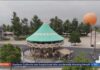
On August 30–31, President Trump shared a short video that showed huge blasts over Iran’s Kharg Island. He wrote, “Kharg Island being blown to smithereens!!! President DJT.” The message landed hours after reports of new U.S.–Iran exchanges in the region. Kharg is Iran’s main oil hub, so any hint of strikes there draws global attention. The post did not include details on units, targets, or timing, and it did not link to an official military statement.
Reuters reported the video appeared synthetically generated. Their review, which used software designed to flag manipulated imagery, found signs that pointed to an artificial source. The wire service added that there was no evidence the island had been attacked at that time. Reporters also noted that the post came in a charged moment, when both sides traded fire for the first time in weeks, which raised stakes for how people would read the message.
What Independent Reporting And Iran Said
Follow-up reporting said there was “no other evidence” the energy hub was under attack. That included the lack of satellite damage reports, no public strike release, and no confirmed incident logs. The Telegraph also described the clip as AI-generated and said Washington had not announced an attack on Kharg Island. Iran’s National Iranian Oil Company chief, Hamid Bovard, called the claims “laughable” and said conditions on Kharg were calm and appropriate.
Forbes coverage said it was unclear if the video came from the president’s team or if it was reshared from follower accounts. That uncertainty matters because it speaks to intent, authorship, and message control. It also shows a broader problem for today’s media diet: dramatic visuals travel fast, while verification lags. When the subject is a vital oil hub, even a suggestive clip can jolt markets, rattle allies, and feed adversary propaganda pipelines, regardless of whether blasts actually occurred.
Why Synthetic War Clips Are A Growing Threat
Researchers and journalists have tracked a surge of war videos made with generative tools. These clips look real enough to pass a quick scroll test. They can sway public views before facts catch up. That pattern showed up here: a leader’s taunt, a synthetic blast scene, and a tense battlefield backdrop merged into one story for many viewers. Academic and media analyses warn that such visuals often shape opinion faster than corrections or context can spread.
#GlobalPolitics | US Vice President JD Vance said Donald Trump’s social media post about Iran’s Kharg Island was intended to send a message to Tehran.
Trump had shared an AI-generated video depicting the strategic Iranian energy hub being destroyed, escalating attention around… pic.twitter.com/DJSnAKfi7v
— News18 (@CNNnews18) September 1, 2026
For readers who value strong defense and sober leadership, one lesson is clear: signals matter. Words and images from the White House carry weight. Clear lines help our troops, calm markets, and deny Tehran a chance to twist the narrative. When posts are rhetorical, labeling them as such can protect mission focus and public trust. When posts preview policy, they should match verified facts and formal statements, not leave room for enemy spin or media pile-ons.
What We Know, What We Do Not, And What Comes Next
Established facts show the president’s post, a likely AI-style video, and no verified strike on Kharg in that time window. Open questions remain about who produced the clip and why that format was used. No public satellite imagery or official battle-damage reports have shown otherwise. In a dangerous region, precision in messaging is a national asset. It denies Iran a propaganda win, supports deterrence, and keeps American families from needless worry during already tense days.
Sources:
mediaite.com, reuters.com, youtube.com, telegraph.co.uk