

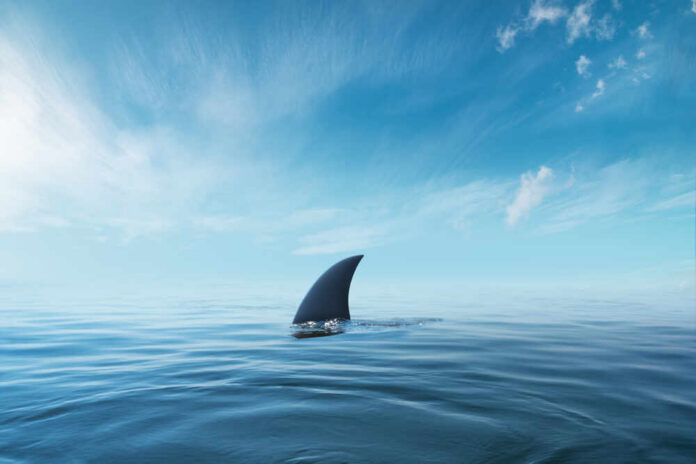
Sharks off the pristine Bahamas coast now swim with cocaine, caffeine, and painkillers in their blood, exposing how globalist tourism and lax waste policies poison even remote American vacation paradises.
Story Highlights
- Study finds 28 of 85 sharks tested positive for contaminants including caffeine, painkillers, and cocaine in one baby lemon shark near Eleuthera.
- First global detection of caffeine in sharks, signaling recent exposure via blood samples in areas tourists call untouched.
- Human pollution from wastewater, boats, and discarded packets infiltrates shark nurseries, threatening marine ecosystems vital to U.S. fishing and travel industries.
- Metabolic changes in sharks indicate stress from detoxifying everyday drugs, mirroring conservative concerns over unchecked environmental neglect.
- Calls for better wastewater management highlight government overreach failures in protecting natural resources from commercial exploitation.
Shocking Discoveries in Bahamian Waters
A peer-reviewed study published in Environmental Pollution analyzed blood from 85 sharks of five species captured four miles off Eleuthera, Bahamas. Twenty-eight sharks carried contaminants of emerging concern. Caffeine appeared most frequently, alongside painkillers like acetaminophen and diclofenac. One baby lemon shark tested positive for cocaine. These findings mark the first global detection of caffeine in sharks and the first cocaine case in Bahamian waters. Blood sampling shows recent exposure, contrasting the island’s remote, tourism-boosted image.
Pervasive Pollution from Tourism and Waste
Rapid urbanization and cruise ship tourism dump untreated wastewater into Bahamian nearshore areas. Eleuthera hosts shark nurseries where baby lemon sharks inhabit creeks near sampling sites. Researchers found cocaine packets discarded nearby, which sharks investigate by biting. This mirrors Brazilian precedents where all tested sharks showed high cocaine levels. Everyday habits like coffee consumption and pharmaceutical use enter oceans globally, infiltrating food webs. Conservatives rightly question why governments fail to enforce basic waste controls, eroding natural habitats Americans cherish for family vacations.
Physiological Impacts on Marine Life
Sharks exhibited altered metabolic markers tied to stress and energy demands for detoxification. Lead author Natascha Wosnick, a zoologist from Brazil’s Federal University of Paraná, stressed that legal substances like caffeine pose equal threats to cocaine. Coordinated by teams from Bahamas, Brazil, and Chile, the study tested for 24 drugs. Tracy Fanara, University of Florida marine biologist and Cocaine Sharks producer, linked detections to coastal development. These shifts demand scrutiny, as biodiversity loss hits U.S. fisheries and recreation hard, underscoring limited government’s role in preventing such neglect.
Long-term risks include population instability from chronic exposure. Short-term stress hikes energy needs, echoing simulated behavioral changes from prior documentaries. No proven human aggression links exist, but ecosystem health falters in tourist havens.
Broader Implications for Conservation and Policy
Tourism economies face stigma from pollution revelations, prompting wastewater infrastructure calls in developing areas. Global pharma and illicit drug infiltration parallels plastic crises, affecting conservation, fisheries, and diving sectors. Wosnick urges reassessing normalized habits fueling this. With uncertainties in exact health effects and sources, more data is needed. Americans deserve policies prioritizing clean oceans over endless foreign exploits, protecting family values rooted in unspoiled nature against overreaching commercialism.
Bahamas 'Cocaine Sharks' Now Testing Positive for Cocaine and Caffeinehttps://t.co/YssPIxFfOn
— RedState (@RedState) March 29, 2026
Sources:
Sharks in the Bahamas test positive for caffeine, painkillers and even cocaine, study finds
Sharks Are Testing Positive for Cocaine and Caffeine in the Bahamas
Cocaine, caffeine found in sharks off Bahamas coast