
Bulgaria’s voters just handed a landslide to a pro-Russian ex-president, potentially cracking open the door for Kremlin influence inside NATO and the EU.
Story Snapshot
- Exit polls project Progressive Bulgaria, led by former President Rumen Radev, at 37-44%—a commanding lead over GERB’s 12.5-16%.
- Radev, known for criticizing Ukraine aid and EU sanctions, resigned in January 2026 to lead the coalition, promising anti-corruption reforms.
- This marks Bulgaria’s eighth election in five years, driven by deadlock, corruption fatigue, and low turnout.
- Potential stable government could end paralysis but risks shifting policy toward Russia, weakening Western unity.
Election Results Signal Major Shift
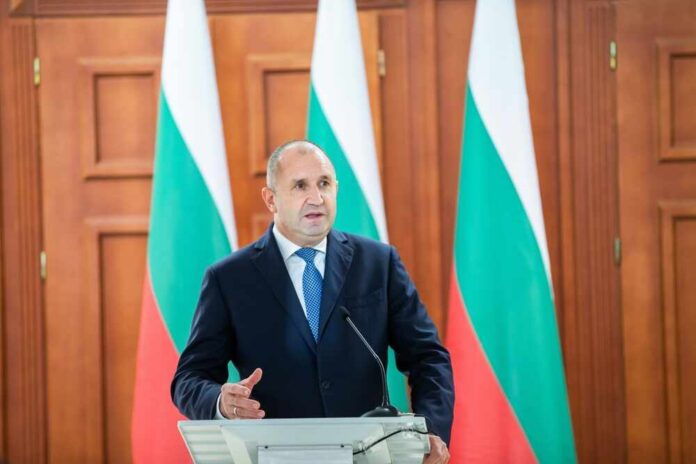
Exit polls from Bulgaria’s snap parliamentary elections on April 19, 2026, show Progressive Bulgaria coalition securing 37-44% of the vote. Former President Rumen Radev leads the group, far ahead of GERB-SDS at 12.5-16%. GERB leader Boyko Borisov conceded defeat on Facebook, posting “Congratulations to the winner.” Radev declared an “uncontested victory” to reporters, warning more elections would spell disaster. This outcome follows pre-election polls giving Progressive Bulgaria a 10% edge.
Roots of Instability and Radev’s Rise
Bulgaria faced its eighth parliamentary election in five years due to repeated coalition failures and corruption scandals. GERB, under Borisov, held power on and off for decades but now fades amid voter exhaustion. Radev built his reputation vetoing Ukraine aid packages and opposing NATO expansion for Kyiv. He resigned from the presidency in January 2026 to head Progressive Bulgaria, a center-left mix of ex-socialists tapping anti-corruption anger. Low turnout reflects deep public fatigue with the establishment.
Pro-Russian Stance Raises Alarms
Radev’s criticism of Western sanctions and support for dialogue with Russia positions him as Euroskeptic in an EU and NATO member state. Analysts see his lead as a Kremlin opening, contrasting Hungary’s recent rejection of Viktor Orban. Progressive Bulgaria promises to fight corruption but fuels fears of policy pivots that undermine unity against Russian aggression. As an America First observer, this echoes frustrations with globalist elites prioritizing foreign entanglements over national sovereignty—concerns shared across political lines.
Both conservatives wary of endless aid commitments and liberals distrustful of deep state maneuvering sense a pattern: governments failing citizens while chasing ideological crusades. Bulgaria’s turmoil highlights how corruption and fragmentation erode trust in institutions founded on limited power and accountability.
Bulgaria's Former Pro-Russian President Set For Landsllde Election Win https://t.co/xtdMA2PqN9
— zerohedge (@zerohedge) April 20, 2026
Coalition Path and Broader Impacts
Progressive Bulgaria likely falls short of a majority, requiring partners from pro-EU reformists or pro-Russian factions. Short-term, a stable government could break the paralysis plaguing Bulgaria since 2021. Long-term, closer Russian ties threaten EU sanctions on Moscow and support for Ukraine. Bulgarian voters, tired of weak leadership, may finally get decisive rule, but at what cost to transatlantic security? Experts note the single-party dominance as the strongest in a generation.
International watchers from Kyiv to Washington monitor coalition talks closely. A Radev-led government might prioritize domestic reforms over globalist agendas, resonating with Americans disillusioned by fiscal mismanagement and open borders at home. Yet it risks emboldening adversaries, reminding us that sovereignty demands vigilance against external meddling.
Sources:
Bulgaria’s pro-Russian former president set for landslide win, exit polls show