
New York City now spends over $81,700 per unsheltered homeless person annually—more than the median household income—while street homelessness rises, fueling outrage over taxpayer waste under failed leftist policies.
Story Highlights
- NYC spending on unsheltered homelessness tripled from $102 million in FY 2019 to $368 million in FY 2025, despite only a 26% population increase.
- Per-person cost of $81,700 exceeds city median household income of $81,228, with no clear reduction in street numbers.
- State Comptroller DiNapoli’s March 11, 2026 report exposes fiscal inefficiency amid Mayor Mamdani’s tax hikes and rent freezes.
- Projections show FY2026 peak at $456 million, questioning value without transparent unit costs or results.
Spending Surge Outpaces Results
New York City allocated $102 million for 3,588 unsheltered individuals in FY 2019, equating to about $28,400 per person. By FY 2025, spending jumped to $368 million for 4,504 people, or $81,700 each—a 262% increase. The unsheltered population, living in streets, subways, and parks, grew 26% amid asylum seeker influxes and shifting demographics toward younger and Hispanic individuals. This escalation occurred despite NYC’s nationally unique 97% shelter usage rate, contrasting sharply with Los Angeles at 70% unsheltered.
Mayor Mamdani’s Budget Choices Draw Fire
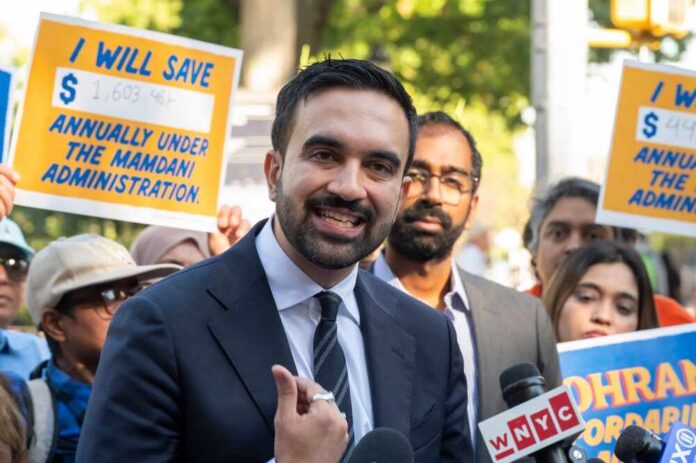
Mayor Zohran Mamdani unveiled a $127 billion budget on February 17, 2026, featuring rent freezes on 2 million stabilized units, potential 9.5% property tax hikes on the wealthy, increased DEI funding, and 5,000 NYPD job cuts. His office declined comment on the Comptroller’s report highlighting per-person costs exceeding median income. Critics argue these policies prioritize short-term tenant protections over housing supply expansion, exacerbating shortages that fuel homelessness. Taxpayers shoulder the burden without detailed breakdowns on spending efficacy.
Comptroller Calls for Data-Driven Fixes
State Comptroller Thomas P. DiNapoli released his report on March 11, 2026, analyzing the surge under the Department of Homeless Services’ Street Homeless Solutions division. Spending share rose from under 5% to 9% of DHS budget, driven by low-barrier beds, drop-in centers, and 900 additional safe haven beds totaling 4,900 capacity. DiNapoli recommends using outreach data for better shelter and permanent housing placements. Outreach successes include 400% more stable housing placements since FY2017, reaching 10,841 in FY2025, yet population growth persists.
Low-barrier bed usage climbed 44% to 2,100 monthly clients by 2022, with services expanding from $72.3 million to $285 million plus $106 million for beds. Projections indicate $456 million in FY2026, declining slightly to $442 million by FY2029, but exclude $500 million in related mental health budgets. Opaque unit costs hinder full value assessment, leaving conservatives frustrated with government overreach and fiscal mismanagement echoing national concerns over endless spending without accountability.
Impacts Strain Taxpayers and Resources
Short-term budget strains hit as unsheltered numbers hold at 4,504, with total homeless estimated at 142,000 in 2024. Long-term, rent controls and tax hikes risk deterring investment, deepening housing crises rooted in shortages and high rents. Economists warn these measures shield tenants briefly but worsen supply issues driving homelessness. Taxpayers fund more per unsheltered person than per student ($42,000), amid migration pressures and visible subway-street issues, highlighting failed progressive priorities over common-sense solutions like supply growth.
Sources:
NYC spends more per homeless person than a typical household earns in a year, data shows
DiNapoli Report Analyzes Increases in NYC’s Unsheltered Population and Spending