
Sacramento’s rush law to force Fresno’s transportation tax onto the November ballot has sparked a court fight, judge shake-ups, and a showdown over local control.
Story Highlights
- California’s new urgency law orders Fresno’s tax measure onto the Nov. 3 ballot.
- Fresno County supervisors voted to delay it to March 2028, triggering litigation.
- The county registrar says he will follow the state law and prepare for November.
- Judicial recusals have stalled a fast ruling as ballot deadlines loom.
State Law Collides With County Vote Over Election Timing
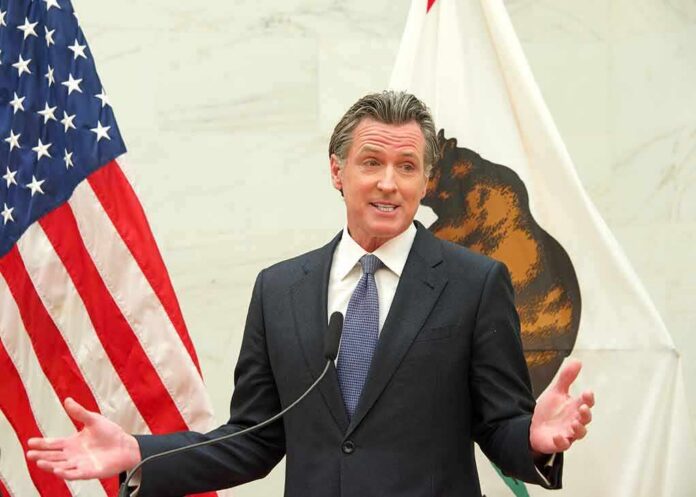
Governor Gavin Newsom signed an urgency bill, known as Assembly Bill 1923, that directs election officials to place a countywide transportation tax on the November 3, 2026 ballot. Fresno County supervisors voted 3-2 to push the vote to March 7, 2028 instead, setting up a direct conflict between Sacramento and local leaders. The law moved fast. The board’s delay vote came after it ordered a 30-day fiscal study that would run past placement deadlines for November.
Fresno County Clerk and Registrar of Voters James Kus said he intends to follow Assembly Bill 1923 and prepare the measure for the November ballot. Local coverage reports the county’s placement deadline was August 7, with ballot printing for military and overseas voters beginning in early September, which adds pressure for a quick path forward. The split between the registrar and the board reflects the larger fight over who controls the calendar when state law claims preemption.
Ballot Deadlines And The Urgency Push From Sacramento
Local reporting outlines two key dates: August 7 to place measures on the ballot and early September to start printing ballots for military and overseas voters. These deadlines make timing decisive. The state’s position rests on the measure’s certification and Assembly Bill 1923’s immediate effect, which together signal November placement is required. The county board’s 30-day study ensured the August 7 window would close, making the 2028 date their default path.
The city of Fresno also filed a backup, citywide transportation tax for November to protect road funds if the countywide plan misses the ballot or gets blocked. City officials moved on August 7 to meet the calendar. The backup step shows how urgent the timeline is for transportation funding and how uncertain the county measure’s path has become in court and at the printer.
Court Turmoil: Recusals, Delays, And What Is Unresolved
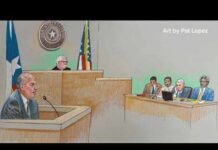
The county sued the state and its own registrar to stop the November placement. The case then hit a snag when judges were knocked off the matter, leaving it briefly without an assigned jurist. Those recusals stalled action on a temporary restraining order and a preliminary injunction. Without a stable assignment, the court has not ruled on the constitutionality of Assembly Bill 1923 or the county’s urgency-law challenge. The clock continues to run while ballots approach final layout.
Judge in Fresno transportation tax measure case forced out by California AG. Now what? https://t.co/n893rjFzkR
— Fresno Bee (@FresnoBee) August 21, 2026
The record in public reporting does not show a final ruling on the merits. The state points to the signed urgency law and the registrar’s duty. The county argues Assembly Bill 1923 violates the state constitution and strips local control over election timing. Until a judge decides, election staff must choose between the new mandate and the board’s 2028 order. That uncertainty risks missing print dates, which could lock in the outcome by default rather than by law.
Local Control, Tax Burdens, And Stakes For Voters
Supervisors say the fight is about who gets to set Fresno County’s future, not just roads. They warn that Sacramento’s last-minute override moves power away from local voters and their elected board. Supporters of the November vote argue that certification and state direction make delay improper and risk key transportation dollars. For taxpayers already hit by high costs, the dispute is also about when and how a long-running sales tax question should be decided at the ballot box.
What happens next depends on the court and the calendar. If the judge keeps shifting, the county could run out of time to stop November placement. If a judge blocks the law quickly, the measure likely slips to 2028. Either path carries consequences for road repairs, transit priorities, and trust in fair election rules. Conservative readers see a clear test: will state leaders respect local control and transparent timing, or will urgent process become the new normal?
Sources:
fresnobee.com, factlen.com, thebusinessjournal.com