

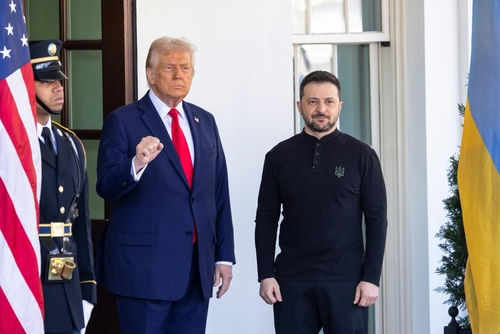
Trump moved to shift the Ukraine war burden to Europe by licensing Kyiv to build Patriot missiles, igniting praise and pushback over how fast it can really happen.
Story Highlights
- Trump said the United States will license Ukraine to produce Patriot air defense systems.
- Trump praised President Zelenskyy and said both sides want a war settlement.
- Experts questioned fast production claims; key contractors have not confirmed a deal.
- Debate over NATO “unity” and timelines underscores political and technical hurdles.
Trump’s Licensing Pledge and the Burden-Shift Message
President Trump told reporters at the NATO summit in Ankara that the United States will give Ukraine a license to manufacture Patriot air defense systems. He said, “We’ll give them the right to make Patriots. We’ll show them how to do it,” and added that Kyiv should “make them yourself,” framing the move as a direct answer to complaints about limited aid from the United States. The pledge aims to put more of Europe’s defense load in European hands while keeping Russia’s missiles out of the skies over Ukraine.
Trump also praised President Volodymyr Zelenskyy’s wartime leadership, calling him “very effective,” and said he believes a settlement is possible. He stated that he thinks President Vladimir Putin wants a deal, and told Zelenskyy, “I think you’re going to have a deal,” signaling a push for talks alongside air defense support. Supporters see a two-track plan: arm Ukraine to blunt strikes now, and press all sides toward a ceasefire that reduces American costs and risk exposure over time.
Production Reality Check and Industry Silence
Trump argued Ukraine could produce Patriots “pretty quickly.” Reporters pressed him on timelines and contractor input, and he acknowledged he had not yet informed the major firms that own the technology. Independent reporting notes that advanced systems like Patriot normally take two years or more to build, given specialized tooling, security, and protected factory space. As of now, neither Raytheon nor Lockheed Martin has issued public confirmation of a binding license, and no formal directive has been posted.
The gap between a presidential statement and an executed transfer matters. U.S. export controls and security vetting guard the nation’s most sensitive technology. A license would need clear terms, protections, and oversight. Without contractor and Department of Defense sign-off, the pledge remains an announced intent rather than a signed, resourced program. That distinction affects when interceptors could roll off a line, how many could be made, and who pays each bill along the way.
NATO “Unity,” Battlefield Needs, and What Comes Next
Trump cited alliance “unification,” but news coverage also highlighted debate inside the alliance, including criticism that called NATO a “paper tiger.” That mixed picture shows both momentum and friction as members face a long war and rising costs. For Ukraine, Patriot batteries and interceptors remain vital against drones and missiles. If Ukraine builds interceptors at home, reload rates could improve and reduce pressure on U.S. stockpiles while Europe steps up orders and support.
For American readers weary of endless spending and far-off wars, licensing can be a conservative path: push capabilities closer to the fight, require partners to carry more weight, and protect U.S. industry and secrets through strict controls. Still, the clock is real. Ukraine needs interceptors now, and factories cannot appear overnight. The White House must lock terms, the Pentagon must certify safeguards, and industry must confirm schedules that match battlefield needs without draining U.S. readiness.
Key Questions for Taxpayers and Congress
Congress and watchdogs should press for three concrete proofs. First, show the formal license or directive, with conditions that protect U.S. technology and jobs. Second, publish a credible production and delivery schedule, with milestones that reflect real machine tools, trained workers, and protected sites. Third, define who pays, and how much, so costs do not boomerang onto American families already hit by inflation and high energy bills. Clear answers will separate a headline from a working plan.
Trump’s instinct to make allies do more aligns with common sense. Europe lives next door to the threat and should build more of what it uses. If the license is executed with tight security and real timelines, the move could harden Ukraine’s skies, ease strain on U.S. stockpiles, and put NATO words into action. If it stalls in paperwork or overpromises speed, critics will claim a talking point. The next few weeks, and official documents, will tell the story.