

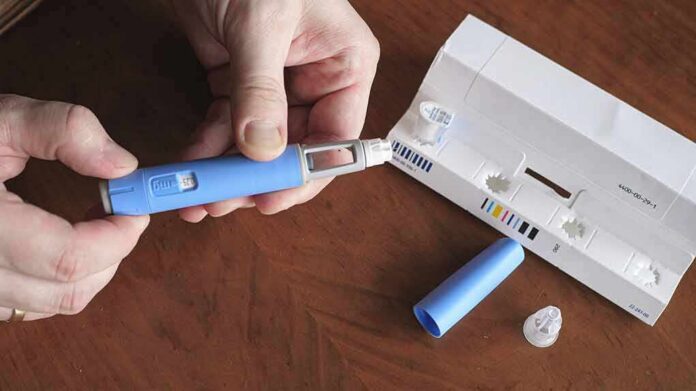
Federal prosecutors say a transnational ring pumped counterfeit Ozempic into the U.S. market using fake packaging and discount deals aimed at unsuspecting buyers.
Story Highlights
- A Florida grand jury indicted two foreign nationals over an alleged counterfeit Ozempic scheme.
- Prosecutors say the group sourced fake product from unauthorized suppliers in China.
- The indictment alleges discounted sales to U.S. distributors with deceptive packaging.
- The case fits a wider crackdown on fake weight-loss and diabetes drugs.
Indictment Alleges Transnational Counterfeit Drug Plot
The Department of Justice announced an indictment charging Swapnadip Roy and Vicky Ramancha with conspiracy, smuggling, and trafficking counterfeit prescription drugs tied to Ozempic. The case, unsealed in the Middle District of Florida on June 9, 2026, describes a scheme to move fake Ozempic into the United States. The indictment lists one conspiracy count, three smuggling counts, and two counts tied to selling and holding counterfeit drugs for sale. Prosecutors say the operation stretched across borders and targeted U.S. buyers.
Court materials say the alleged plot ran from at least July 2023 through April 2024. During that time, Roy and Ramancha allegedly sourced counterfeit Ozempic from unauthorized suppliers in China and moved it into U.S. channels. The charging papers describe boxes, inserts, labels, and pen needles made to look like the real thing. The goal, prosecutors say, was to fool downstream customers into believing they were buying authentic product approved by the manufacturer.
Discounted Sales and Deceptive Packaging Alleged
Prosecutors allege the group sold the counterfeit drugs to co-conspirators and U.S. distributors at deep discounts. The pricing pitch, according to the indictment, helped the fake product move quickly in a hot market. The charging papers say the ring matched the look and feel of real Ozempic with imitation labels and packaging to hide the fraud. These details anchor the government’s claim that the effort was designed to deceive, not just skirt paperwork rules.
The Department of Justice framed the case as a public-safety threat, not only a customs issue. Counterfeit injectables can contain wrong doses, unsafe ingredients, or poor sterility. The Food and Drug Administration has warned that counterfeit semaglutide products have surfaced in the U.S. supply chain, urging consumers to use trusted pharmacies and report suspicious items. Those warnings reflect a broader campaign by regulators to protect patients from fake weight-loss and diabetes drugs.
How This Fits the Broader Crackdown
The alleged Florida scheme lands amid rising demand for glucagon-like peptide 1 drugs, which has drawn counterfeiters. The Food and Drug Administration and United States Customs and Border Protection have reported multiple seizures of counterfeit and unapproved shipments tied to these medicines. The trend has pushed federal agencies to spotlight foreign sourcing, deceptive packaging, and discount sales as red flags that harm patients and undercut lawful supply chains.
Customs reports detail seizures of Ozempic and similar drugs routed through international hubs, showing how criminal networks try to exploit high demand and short supply. Federal testimony to Congress has flagged large numbers of foreign shipments of semaglutide and related compounds that ignore registration rules. Those records back a clear message from regulators and law enforcement: counterfeit drugs are illegal, dangerous, and a growing focus for federal enforcement.
What Prosecutors Say, and What Comes Next
The Justice Department’s case says Roy and Ramancha helped move fake Ozempic into U.S. channels using unauthorized Chinese sources, deceptive packaging, and bargain pricing to lure distributors. The indictment lists specific counts that cover smuggling and counterfeit sales activity. As with any federal case, the indictment is an allegation, and the defendants are presumed innocent unless proven guilty in court. Prosecutors will now seek to prove the charges with records, seized goods, and witness testimony.
#Washington: Two Indian nationals have been charged with conspiracy and smuggling related to an alleged transnational counterfeit prescription drug distribution scheme in a US federal court in Florida.The indictment by a federal grand jury in the Middle District of Florida…
— Deccan Chronicle (@DeccanChronicle) September 30, 2026
The Trump administration has made supply-chain integrity a law-and-order priority, including action at the border and stronger oversight of foreign drug shipments. This case shows why that approach matters. Bad actors try to cash in on U.S. consumers with fake medicine that can hurt families and drain wallets. Conservative readers know the stakes: protect patients, punish smugglers, and keep American markets honest. That is how we defend safety, the rule of law, and common-sense values in health care.
Sources:
cbsnews.com, justice.gov, cnbc.com