

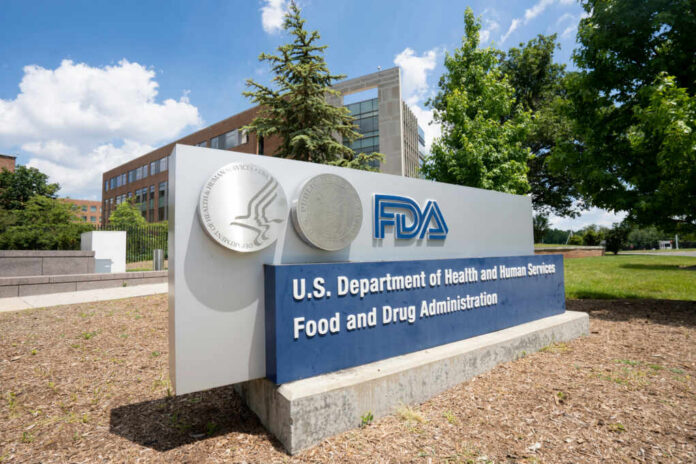
Two FDA vaccine chiefs gone in four months is the kind of revolving-door chaos that leaves families and patients wondering who is actually steering America’s drug safety decisions.
Story Snapshot
- FDA vaccine regulator Dr. Vinay Prasad left the agency in late July 2025 after less than three months on the job, officially citing family reasons.
- Prasad was pushed out after controversies tied to gene therapy decisions and political blowback over past statements.
- Prasad’s exit followed the March 2025 forced resignation of his predecessor, Dr. Peter Marks, deepening leadership instability in a high-stakes division.
- The dispute reflects a broader tension between faster access to experimental treatments and the FDA’s traditional gatekeeping role on evidence and safety.
Prasad’s Short Tenure Ends Amid Controversy
Dr. Vinay Prasad, brought in during May 2025 as the FDA’s top vaccine regulator after years at UC San Francisco, resigned in late July 2025 after less than three months. The agency message emphasized that he wanted to spend more time with family and avoid becoming a “distraction.” People familiar with the situation who said he was ousted after a series of disputes tied to gene therapy decisions and political scrutiny.
Prasad drew attention inside and outside government because he built an academic reputation criticizing the FDA for approving some drugs too easily, including cancer therapies, and for aspects of the pandemic-era response. That posture can appeal to Americans who want tougher standards and less industry capture, but it also puts a regulator on a collision course with patient communities and lawmakers who want quicker access to cutting-edge options—especially when no alternatives exist.
Gene Therapy Flashpoints Put the Division Under a Microscope
Several disputes centered on gene therapies, including the only approved gene therapy for Duchenne muscular dystrophy. After patient deaths, shipments were briefly halted and later resumed following vocal pressure from families and advocates. Prasad’s division also issued rejection letters to three small biotech firms seeking approval for new gene therapies. A Wall Street Journal editorial board criticism over the Duchenne-related pause became another pressure point in a politically charged environment.
That debate is not just technical; it’s a fundamental question about what the FDA is supposed to be. Faster approvals can mean earlier access for desperate patients—an approach consistent with President Trump’s first-term “Right to Try” law expanding access to experimental drugs. Tighter standards can mean fewer unsafe or ineffective products reaching the public. It does not provide the detailed scientific record behind each decision, which limits the public’s ability to judge whether the pushback was about safety, speed, politics, or all three.
Marks’ Departure Set the Stage for More Turbulence
Prasad’s resignation landed on top of a major earlier shock: Dr. Peter Marks, the longtime leader of the FDA’s vaccine and gene therapy division, left in March 2025 after being told he would be fired if he did not resign. Marks had been widely regarded by former FDA leaders and biotech executives, and he oversaw a significant increase in gene therapy approvals. His resignation letter alleged that “truth and transparency” were not desired by leadership.
Two leaders exiting in quick succession can create a credibility problem for any regulator, especially one tasked with decisions that affect children’s vaccines, rare-disease therapies, and the blood supply. When leadership churn becomes the headline, ordinary Americans can reasonably worry that policy is being driven by internal politics rather than a stable process. From a limited-government standpoint, the solution is not blind deference to bureaucrats, but transparency and consistent standards the public can see and debate.
RFK Jr., Vaccine Policy, and the Fight Over Agency Direction
The broader backdrop includes Health and Human Services Secretary Robert F. Kennedy Jr., whose vaccine skepticism has shaped how the administration’s health agencies are viewed. There are promises to “investigate” children’s shots and said agencies under his watch ended some vaccine-related research and canceled meetings of vaccine advisers. An HHS spokesperson said Kennedy has advocated vaccination multiple times, but the same coverage raised questions about mixed signals and public confidence.
For conservatives focused on accountable government, the key issue is whether the FDA can remain a predictable, evidence-driven referee while still respecting patient choice and resisting ideological swings. One clear takeaway: regardless of where we land on the speed-versus-caution debate, repeated leadership shake-ups in the vaccine and gene therapy shop risk undermining regulatory predictability for patients, doctors, and biotech developers—and that uncertainty can ripple into investment and access decisions.
What remains clear is that the FDA’s next leadership pick will inherit not only scientific disputes, but a trust deficit created by rapid turnover, high-profile resignations, and public disagreement over what “good regulation” should look like in an era of politicized health policy.
Sources:
FDA Vaccine Chief Leaving Agency After Less Than 3 Months
FDA Peter Marks CBER Director Resigns
Ex-FDA vaccine chief says he was forced out after trying to protect vaccine safety data from RFK Jr.