
Operation Epic Fury has turned Iran’s missile-and-drone war machine into a direct target—after years of Americans watching Washington tiptoe around Tehran.
Story Snapshot
- CENTCOM says Operation Epic Fury, launched in late February 2026 on President Trump’s order, is aimed at eliminating Iran’s ability to threaten Americans.
- U.S. and Israeli forces have carried out thousands of strikes on Iranian air defenses, missile launchers, drones, command-and-control sites, and naval assets.
- CENTCOM has cited more than 3,000 targets struck and over 40 Iranian ships damaged or destroyed as the campaign entered its second week.
- Iran has responded with hundreds of ballistic missiles and thousands of drones, with confirmed U.S. casualties reported in early phases.
What Operation Epic Fury Is and Why It Started
President Donald Trump ordered U.S. Central Command to begin Operation Epic Fury in late February 2026, and CENTCOM has framed it as a defensive campaign to stop Iran from threatening Americans and partners. The operation began after escalating tensions and Iranian attacks in the region, with CENTCOM communications and reporting describing U.S. troop losses tied to Iranian strikes in the run-up and early stages. The administration’s public messaging emphasizes deterrence, tempo, and clear military objectives.
CENTCOM’s early briefings described a large, sustained effort across Iran, not a single night of retaliation. The target set has included missile infrastructure, air defenses, drones, naval vessels, and command-and-control nodes. It also describes “firsts” tied to the campaign, including the combat use of the U.S. Army’s Precision Strike Missile. The operation’s scope matters because it signals a shift from proxy-era containment toward direct degradation of Iranian state capabilities.
Scale of the Campaign: Troops, Carriers, and Thousands of Targets
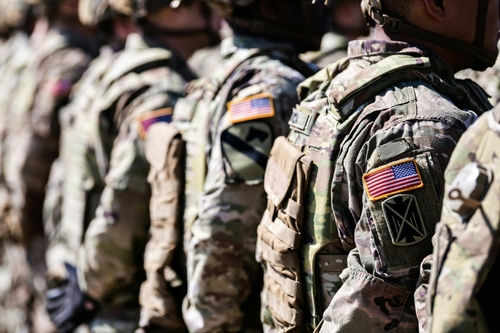
CENTCOM has described Epic Fury as the largest U.S. military buildup in the Middle East in a generation, involving roughly 50,000 troops, about 200 fighters, two carrier strike groups, long-range precision weapons, and layered missile-defense assets. As the operation moved into its second week, U.S. officials cited more than 3,000 Iranian targets struck. It put the pace near 2,000 targets hit in roughly 100 hours, reflecting high operational tempo.
The naval picture has been just as aggressive. CENTCOM briefings and related reporting describe the destruction or damage of more than 40 Iranian ships, including mention of a submarine, alongside claims that much of the Arabian Gulf was cleared of Iranian naval threats. If accurate, that would directly affect Iran’s ability to harass shipping and stage attacks from coastal waters. Open-source included figures such as 17 ships destroyed in the opening days, rising as strikes continued.
Iran’s Response: Missiles, Drones, and Real Costs
Iran has not been portrayed as passive in this fight. CENTCOM briefings and open reporting describe Iran launching more than 500 ballistic missiles and over 2,000 drones during initial retaliation. Those attacks targeted U.S. and partner facilities and included strikes against regional energy infrastructure, naming Saudi Aramco’s Ras Tanura facility as a target. Even with missile defenses in play, CENTCOM acknowledged U.S. deaths and serious injuries early in the operation.
It also indicates Iran’s missile-launch rate began to decline by early March, with analysts attributing the drop to launcher losses, depletion, and a shift toward conserving remaining capability for a longer conflict. That trend line is important because it suggests Epic Fury is not only intercepting incoming threats but also shrinking Iran’s ability to generate mass salvos in the first place. Still, it has not fully quantified Iranian military or civilian casualties, leaving gaps in the public picture.
What It Means for Americans Watching at Home
For many voters who endured years of foreign-policy drift, the defining feature of Epic Fury is clarity: a stated mission focused on protecting Americans, plus the force posture to back it up. President Trump has publicly demanded Iran’s “unconditional surrender” while also signaling that production is ramping up to sustain operations. The constitutional bottom line is that Americans will demand transparent objectives, honest casualty reporting, and a strategy that avoids open-ended nation-building.
The early facts available point to a campaign designed to degrade capability rather than occupy territory, but long-term outcomes remain uncertain. Iran retains asymmetric options, including proxy activity across the region, and the risk to energy markets and shipping remains tied to escalation. What is clear is that this operation represents a major departure from the era when deterrence often meant speeches, sanctions, and “strategic patience” while Iran expanded its missile and drone reach.