
Four American tourists were among six people killed when a suspected gas-related blast flattened a building steps from the Acropolis.
Story Snapshot
- Authorities reported six dead, including four Americans, after a building collapsed in Athens’ Plaka district.
- Athens’ mayor and investigators pointed to a likely gas infrastructure link as the main line of inquiry.
- Police and fire officials received reports of a gas smell in the area before the explosion.
- Officials said the cause is under active investigation, with final forensic findings still pending.
What Happened Near the Acropolis
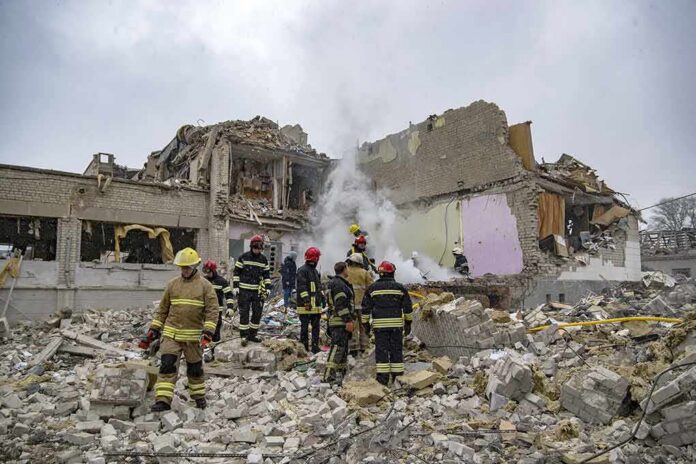
Greek emergency crews responded Friday to a powerful explosion in Plaka, the historic neighborhood at the foot of the Acropolis. The blast leveled an old two-story building and damaged nearby structures on narrow tourist streets. The fire service confirmed multiple fatalities on site and during recovery operations. United States officials said four of the six people who died were American tourists visiting the area. Local media shared images of debris-filled lanes as police cordoned off blocks around the scene.
Athens Mayor Haris Doukas said the incident was likely linked to gas infrastructure, a view echoed in early assessments by investigators at the scene. Police and fire officials reported calls about a gas smell coming from the area, which includes hotels and short-term rentals popular with visitors. Al Jazeera reported a police spokeswoman confirmed that residents had made a gas-leak report before the blast. The fire brigade’s crime investigation unit opened a case to determine the cause and timeline.
The Victims and the Rescue Effort
Rescue teams worked through unstable rubble to locate victims and secure the site. Reporters on the ground described scorched masonry, collapsed floors, and shattered windows across the block. Firefighters rotated crews due to heat and falling debris risk as they searched for missing people. Officials later confirmed that all six bodies were recovered. United States outlets, citing Greek authorities and American officials, said four Americans were among the dead in the tourist district. Medical teams treated others for injuries at nearby hospitals.
Authorities did not release the names of the victims pending family notifications. The United States diplomatic mission in Greece was notified and coordinated with local officials. The location heightened concern due to heavy daily foot traffic around the Acropolis and Plaka. City workers inspected adjacent buildings for structural damage and utility hazards. Police closed streets to allow engineers to check gas lines, power conduits, and facades. Officials asked shop owners and residents to stay away until safety checks were complete.
Why Investigators Suspect a Gas Leak
Investigators commonly start with simple clues in explosion scenes. A strong odor report, a sudden blast, and a fire pattern that follows rooms or hallways can point to gas. In Athens, reports of a gas smell and the scale of the blast match that early profile. In past cases, final answers came only after detailed engineering work. The United States National Transportation Safety Board has tied fatal blasts to pipeline defects and poor leak management after long probes, not first-day impressions.
Four American tourists among 6 killed yesterday after a suspected gas explosion leveled a building in Athens’ Plaka district, at the foot of the Acropolis.
Two couples were staying in a short term rental and due to fly home Friday.
Prayers for the families.
Such a tragedy and… pic.twitter.com/Gxe0Ww3e62— Gina Beana Fofina (@Ginasassyass) September 27, 2026
Greek officials stressed that the cause was still under investigation, even as gas remained the lead theory. Reporters did not cite a published forensic report naming a source line, appliance, or ignition point. That is common. Some probes end with an “undetermined” cause when the exact leak point or spark cannot be proven to the standard investigators must meet. Until lab tests, pressure data, and structural analysis are complete, officials will treat the gas link as a working theory rather than a final ruling.
What This Means for Travelers and Cities
Tourists often rent older buildings in historic zones with aging pipes and tight streets. Those areas pose special risks when utilities fail. A leak can build in a closed room and ignite from a switch or small spark, causing a violent blast in a dense block. That threat is not unique to Greece. United States cases have shown similar patterns, including failures tied to old plastic mains or loose couplings later found by investigators. Prevention depends on fast response to odor calls and solid leak tracking.
For travelers, simple steps can save lives. Report any gas smell right away, leave the building, and avoid switches, lighters, or phones until outside. For cities, strong inspection rules and clear utility logs matter. Quick shutdowns and evacuation can break the chain between a leak and an explosion. In Athens, officials now face pressure to explain what failed in Plaka and how it will be fixed. Families of the victims, including the four Americans, will expect clear answers and changes that prevent a repeat.
Sources:
facebook.com, reuters.com, abcnews.com, theguardian.com, fidelity.com, abc.net.au, thejournal.ie, euronews.com, yahoo.com, ntsb.gov, tovima.com, openjurist.org, docs.cpuc.ca.gov