
Bangkok declared all 50 districts a disaster zone after days of torrential rain swamped major roads and neighborhoods.
Story Highlights
- Bangkok officials declared the capital a disaster-affected area after extreme rain flooded the city.
- Nearly 300 millimeters of rain fell in about 48 hours, swamping roads and cars.
- Authorities raced to drain canals as floodwaters began to slowly recede in some areas.
- The designation unlocks faster emergency powers for local response teams.
Citywide Disaster Declaration Follows Extreme Rainfall
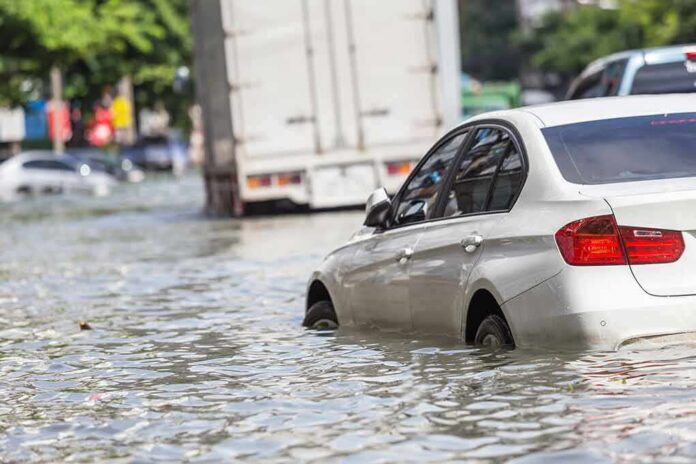
Bangkok Governor Chadchart Sittipunt declared Thailand’s capital a disaster-affected zone after heavy monsoon rain flooded streets and neighborhoods across all 50 districts. Reporters on the ground described major roads underwater and cars partially submerged. The move signals that city services need emergency flexibility to protect people and property and restore transport. Weather officials forecast more storms over the weekend as crews worked across the city to pump water and clear drains for faster runoff.
Officials reported that nearly 300 millimeters, or about 12 inches, of rain fell over roughly two days. The downpour overwhelmed drainage canals and low-lying areas, forcing workers to bring in pumps and redirect flows where possible. The heavy rainfall created “traffic rivers,” slowed emergency response times, and left some residents stuck at home. The event met the city’s threshold for broad disaster powers, which support faster contracting, supply purchases, and coordinated rescue and cleanup work across agencies.
Emergency Powers Aim to Speed Flood Response
The disaster designation lets local organizations act faster, shift resources, and open temporary shelters where needed. It also streamlines how the city hires contractors to pump water, repair damaged public assets, and keep power and transit running. Bangkok’s canal network and flat delta terrain make drainage a constant challenge, even with round-the-clock pumping. Leaders said the goal is to cut delays, protect life, and ease pressure on traffic and hospitals as the city dries out and braces for more rain.
Crews focused on busy roadways and key canals to reopen lanes and improve flow. Workers cleared debris from inlets that block water from reaching pumps, a common problem during fast storms. City staff urged residents in flood-prone zones to move cars to higher ground and avoid standing water with live wires or hidden hazards. By late Sunday, officials said waters had begun to recede in several areas as pumping caught up with runoff and skies briefly cleared between bands of rain.
Why Bangkok Is So Vulnerable to Sudden Floods
Bangkok sits on a low delta at the mouth of the Chao Phraya River, where tides, canals, and storm bursts can stack up fast. Dense pavement leaves little room for water to soak into the ground. When rain comes hard and fast, it backs up into streets and homes. That is why city leaders often use formal disaster tools during peak monsoon season. These legal steps add speed and coordination when normal rules would slow work or keep crews from shifting equipment to the hardest-hit districts.
Residents and travelers should expect changing road closures, longer commute times, and detours while repairs continue. City officials advised people to follow local alerts, avoid floodwaters, and help keep drains clear of trash. Emergency crews will keep pumping as more storms pass through the area. Officials said they will scale back disaster measures once runoff eases and core routes are safe. Until then, the priority is simple: drain water, secure power, and get Bangkok moving again.