
A months-later coroner finding has sharpened the Tahoe avalanche tragedy: all nine skiers died from asphyxiation after being buried under deep snow.
Quick Take
- Officials said the nine victims died from **asphyxiation**, not blunt trauma.
- The avalanche hit a guided backcountry group near Castle Peak on February 17.
- A final report said the group moved below avalanche terrain and through a runout zone.
- The cause of the avalanche itself remains unclear, and investigators have not said whether the party triggered it.
Coroner Reports Clarify the Cause of Death
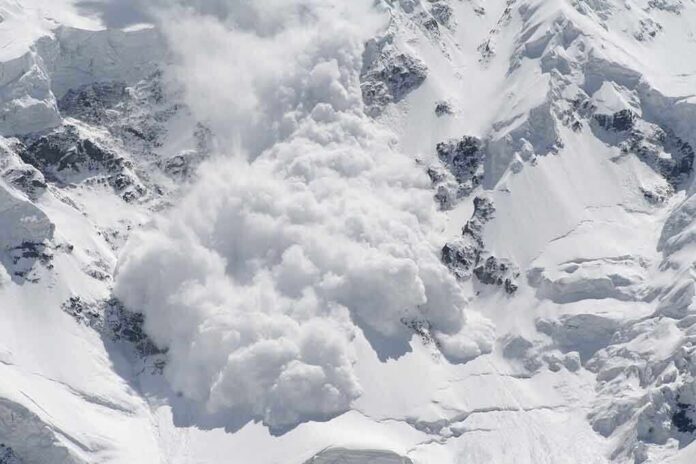
Coroner reports released this week show that all nine people killed in the Castle Peak avalanche near Lake Tahoe died from asphyxiation after being buried by snow. That finding matters because it shows the victims were not killed by impact injuries from the slide itself. The reports were partially redacted, so they do not answer every question about the final minutes on the mountain.
The avalanche struck on February 17 during a backcountry ski trip in the Sierra Nevada, and the dead included both guests and guides. Search teams later recovered the bodies of all nine victims. Reporting at the time said six other skiers survived the disaster, making the Castle Peak event one of the deadliest avalanches in modern California history.
Final Report Points to Risky Terrain Choices
A final report from the National Avalanche Center, as reported by ABC7, said the group traveled below avalanche terrain and through the runout zone at a time when a natural or human-triggered avalanche was likely to very likely. The same report said there were no broken trees visible in the debris and that it was still unclear whether the avalanche was natural or triggered by the party. That mix of facts keeps the focus on risk and judgment, not just bad luck.
Other reporting said the investigators also looked at group size, route choice, and the steep, unstable snowpack that day. The Nevada County Sheriff’s Office launched an inquiry after the tragedy, and some reports said officials examined whether criminal negligence played a role. The public record still does not settle that question, but it does show the group entered terrain that experts later described as dangerous.
Why the Deaths Were So Fast
Experts note that avalanches often kill by cutting off oxygen, which can happen quickly once a person is buried. In this case, the burial depth was severe enough that the victims were found under several feet of snow, according to reporting on the coroner records and the avalanche report. That helps explain why survival in avalanche cases can depend on fast rescue, breathing space, and equipment that works the way it should.
The Castle Peak disaster has become a grim lesson for backcountry skiers and guides alike. The official findings do not remove the human cost, and they do not change the basic fact that nine people were buried and suffocated in minutes. What they do show is that the mountain was not a safe place that day, and the route choices put the group in harm’s way.
Sources:
nypost.com, people.com, latimes.com, namd.org, theatlantic.com, youtube.com