
Gulf leaders convened urgently in Saudi Arabia as the fragile U.S.-Iran ceasefire teeters, exposing America’s vital energy allies to Iranian missile barrages that threaten global oil stability and President Trump’s hard-won peace.
Story Highlights
- GCC summit in Jeddah marks first in-person meeting since U.S.-Israel strikes on Iran sparked two months of regional chaos.
- Iranian drones and missiles devastated energy infrastructure across all six GCC states, choking the Strait of Hormuz.
- Saudi Crown Prince Mohammed bin Salman hosts talks amid ceasefire fragility and U.S. deliberations on Iran’s Hormuz reopening proposal.
- Internal GCC tensions surface, with UAE criticizing collective response to unprecedented attacks.
Summit Triggers Urgent GCC Unity
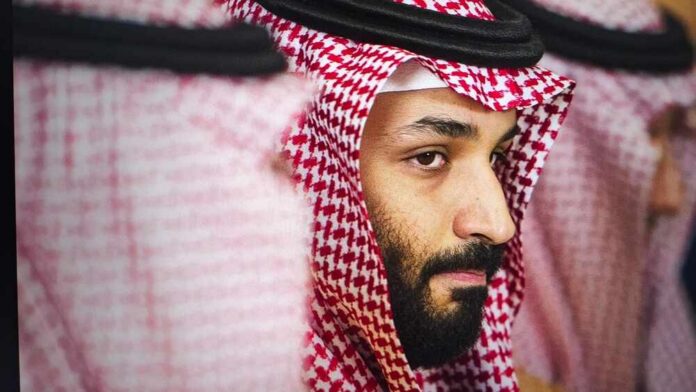
Saudi Crown Prince Mohammed bin Salman chaired the exceptional Gulf Cooperation Council summit in Jeddah on April 28, 2026. Leaders from Qatar, Kuwait, Bahrain, and the UAE attended to address Iranian missile and drone attacks that struck military, civilian, and energy sites across all six member states. This marked the first in-person gathering since the U.S.-Israel war against Iran began on February 28, 2026. The meeting focused on coordinating responses to contain the war’s fallout and secure regional stability. Discussions covered fast-evolving security threats amid a tenuous April 8 ceasefire.
War’s Devastating Toll on Energy Lifelines
Iran retaliated to initial U.S. and Israeli strikes with waves of attacks, damaging key energy infrastructure in Saudi Arabia, UAE, Kuwait, Qatar, Bahrain, and Oman. The Strait of Hormuz, vital for 20 percent of global crude oil and LNG before the conflict, now faces severe maritime disruptions. Gulf capitals fear renewed escalation despite subsided attacks. President Trump’s administration weighs Iran’s proposal to end hostilities and reopen the waterway, but talks for a permanent deal remain stalled. These blows hit American interests hard, targeting U.S.-linked firms and underscoring the high stakes for energy security.
Ceasefire Fragility Fuels Gulf Fears
The April 8 U.S.-Iran ceasefire halted major strikes temporarily, yet Gulf leaders remain wary of its durability. Thousands of Iranian projectiles targeted the region, crossing red lines by hitting civilian and energy assets. Saudi Arabia, as host, pushes for unified deterrence without provoking deeper war involvement. Oman’s representation stayed unclear, hinting at diplomatic hurdles. Experts highlight the need to shift from reactive defenses to strategic coordination, as Gulf states balance survival against escalation risks in Trump’s second term.
U.S. negotiations with Iran continue inconclusively, leaving GCC nations exposed. The summit sought enhanced integration to protect shared interests, echoing frustrations with distant Washington decisions that ignore regional realities.
Internal Tensions Test GCC Resolve
The UAE publicly criticized the GCC’s war response, signaling potential rifts in forging consensus. Saudi leadership asserts influence over outcomes, prioritizing diplomacy alongside military options. Gulf nations weigh direct war entry, a move that could upend global markets. Prolonged Hormuz closure sustains oil price volatility, pinching American families already battered by past inflation. This crisis reveals deep state failures abroad, mirroring domestic elite neglect of hardworking citizens chasing the American Dream.
Both conservatives and liberals share outrage over government priorities favoring power over people. Conservatives decry weak borders to foreign chaos spilling into energy costs; liberals lament inequality widened by elite wars. The Jeddah summit spotlights how unaccountable leaders erode founding principles of self-reliance and sovereignty, demanding vigilance for limited government solutions.
Sources:
Saudi Press Agency reports on GCC summit discussions
AFP coverage of Gulf leaders meeting
Gulf leaders to meet in Saudi Arabia to discuss response to Iranian strikes
Gulf nations weigh entering Iran war high stakes GCC meet Saudi Arabia
China Daily on GCC exceptional meeting
Gulf leaders meet Saudi Arabia discuss war fallout and Hormuz crisis