

Houthis just fired ballistic missiles at Israel, dragging America’s war with Iran into a dangerous new phase that betrays President Trump’s promise to keep us out of endless Middle East conflicts.
Story Highlights
- Yemen’s Houthis launched attacks on March 28, 2026, opening a Red Sea front despite U.S. claims the war nears an end.
- This escalation threatens global energy prices and shipping, hitting American families with higher costs at the pump.
- Trump and Rubio signal victory in weeks, but Houthi involvement risks prolonging the fight many MAGA supporters oppose.
- Iran’s proxies like Houthis act as force multipliers, complicating Trump’s rapid resolution strategy.
Houthi Missile Barrage Marks Late Entry
On March 28, 2026, Yemen’s Houthi movement, led by Abdul Malik al-Houthi, announced its entry into the Iran war. Brigadier-General Yahya Saree, their military spokesman, confirmed a barrage of ballistic missiles targeted sensitive Israeli military sites in southern Israel. Air raid sirens sounded in Beersheba as the group vowed continued operations until the aggression ends. This action, in the war’s fifth week, follows U.S.-Israeli airstrikes on February 28 that killed Supreme Leader Ali Khamenei.
War Origins and Houthi Delays
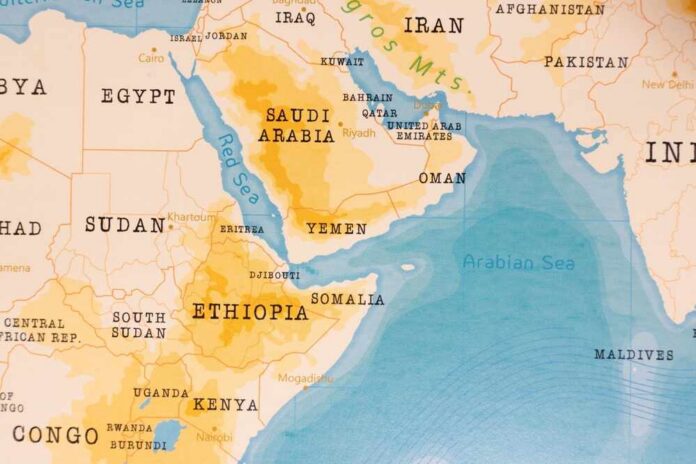
The conflict began when U.S. President Donald Trump ordered Operation Epic Fury, launching surprise strikes on Iran alongside Israel. Houthis, an Iran-aligned Zaydi Shia group controlling Yemen’s west coast, delayed involvement due to depleted stockpiles from prior Red Sea attacks and IRGC cautions against suicidal moves. Early March warnings from al-Houthi signaled readiness, but resupply issues from Iran held them back until now. Their position threatens the Bab al-Mandab Strait, vital for global energy routes.
U.S. Signals of Quick End Amid Escalation
President Trump stated the war progresses way ahead of schedule. Secretary Marco Rubio echoed that operations conclude in weeks, not months. Indirect U.S.-Iran talks continue without breakthrough as Iran’s new leader, Ayatollah Mojtaba Khamenei, hints at new fronts. Houthis, less controlled by Iran than proxies like Hezbollah, prioritize ideological fights against America and Israel while building forces, recruiting, and producing weapons on the Red Sea coast.
Unlike Hezbollah’s early entry, Houthis serve as a late force multiplier, focusing on economic disruption over direct combat. Their threats target U.S. allies like UAE and Bahrain if they aid Hormuz operations.
Economic and Military Risks for America
Houthi involvement depletes U.S. and Israeli defenses short-term while disrupting Red Sea shipping and oil tankers, spiking prices. Long-term, it widens the war, risks Saudi clashes, and strains the global economy through chokepoints like Bab al-Mandab and Hormuz. Yemen faces deepened humanitarian crisis; Gulf states and U.S. bases grow exposed. For working Americans, this means higher energy costs amid frustrations over endless wars and broken promises of no new conflicts.
Expert Views on Prolonged Conflict
Chatham House warns Houthi entry endangers the global economy via Red Sea threats, an anticipated but risky escalation. The Soufan Center identifies Houthis as a force multiplier targeting tankers to deplete munitions. Ahmed Nagi of International Crisis Group notes their Red Sea preparations. Debate persists on Houthi autonomy versus Iranian control, with IRGC possibly restraining them. Analysts predict tanker attacks and Saudi targeting if GCC joins, limited by Houthi stockpiles. This uncertainty challenges Trump’s endgame, fueling MAGA divisions over foreign entanglements.
Sources:
Yemen’s Houthis Have Entered the Iran War. What You Need To Know
Chatham House analysis: What do Houthi attacks on Israel mean for Iran war
Soufan Center: Intelbrief March 19, 2026