

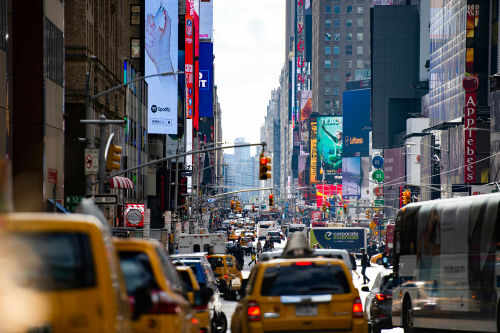
Manhattan’s median rent blasting past $5,000 a month shows what happens when decades of blue-state mismanagement collide with a rigged housing market that punishes working families and rewards insiders.
Story Snapshot
- Manhattan median rent has hit a record above $5,000 a month, roughly a 6 percent jump in a single year.
- Inventory has fallen for nearly two years straight, giving landlords enormous pricing power as vacancy hovers around crisis levels.
- Brokerage reports and local coverage show landlords’ net income rising even as middle-class renters are squeezed.
- Progressive policies like broker-fee shifts and chronic underbuilding have made the crisis worse while politicians deflect blame.
Record-High Rents And A Market Tipped Against Renters
Brick Underground, citing The Corcoran Group’s own rental market report, confirms that Manhattan’s median rent has hit a record level of about $5,000 per month, a roughly 6 percent increase over the past year.[2] That is not a luxury outlier; it is the middle of the market. A local OurTownNY report likewise notes the median at $5,000, making clear that ordinary renters, not just Wall Street elites, are now facing five‑figure annual rent hikes on top of already punishing costs.[1]
These numbers do not exist in a vacuum. Brick Underground reports that this record rent coincides with inventory at the tightest level in nearly four years, after the nineteenth straight month of listings decline.[2] StreetEasy’s data, summarized in the same coverage, describes nearly two years of falling rental inventory in Manhattan, the longest such stretch recorded in that platform’s twenty‑year history.[3] When supply is that constrained, landlords gain enormous leverage, and renters lose their bargaining power overnight.
Chronic Inventory Shortages And Progressive Policy Failures
Brick Underground’s February and March 2026 coverage describes Manhattan’s rental market as “incredibly inventory constrained,” with Manhattan listings down about twenty‑six percent year over year in February, the lowest level in nearly four years.[3] Vacancy in Manhattan typically runs around one to two percent, essentially a permanent emergency level in housing‑economics terms.[2] That kind of chronic shortage does not happen in a healthy, responsive market; it happens where policy, zoning, and bureaucracy choke off construction and keep new housing from meeting demand.
Even as some renters back away in shock at “record asking rents,” the same reports show that demand has not collapsed.[2] Lease signings remain strong, and rents keep setting records, which means households are scraping together more of their paychecks just to stay put. Progressive politicians have spent years promising protection through rent rules, commissions, and slogans about “housing justice,” yet the observable result is simple: fewer available apartments, higher rents, and a city where families who play by the rules are pushed further from the neighborhoods where they work and worship.
Who Benefits When Costs Rise? Landlords, Not Families
OurTownNY highlights that landlords of rent‑stabilized apartments in core Manhattan neighborhoods saw net income jump about ten percent, with Midtown profits rising roughly seventeen percent.[1] Those figures undercut any narrative that owners are barely scraping by. Instead, they show that in a highly regulated environment with tightly rationed supply, politically connected landlords and large property firms can still grow profits while middle‑income renters are told to accept “market realities.” For conservative readers, that is the predictable outcome of crony capitalism masquerading as tenant protection.
OurTownNY also connects the city’s FARE broker‑fee law to higher base rents, reporting that when lawmakers shifted broker fees from tenants to landlords, owners “hiked up rent costs” instead of absorbing the expense.[1] That is a plausible response in a tight market, but the available reporting does not provide hard transaction‑level proof that the fee shift directly caused the rent surge.[1] What it does show is that progressive tinkering created another layer of distortion without addressing the core failure: a city that systematically refuses to allow enough housing to be built where people actually want to live.
Middle-Class New Yorkers Squeezed While Elites Carry On
OurTownNY notes that with median rent at $5,000 a month—about $60,000 a year—housing alone can swallow most of a typical Manhattan household’s income, which it cites around $87,640.[1] That rough comparison may not capture every family’s situation, but it illustrates the basic math confronting police officers, nurses, teachers, and service workers who make the city run. They are paying a coastal blue‑city premium driven not by free markets but by layers of regulation, taxes, and anti‑development activism.
**Fact check:** Manhattan median rent hit a record $5,099 in April 2026 (Corcoran data), up 6% YoY, with vacancy rates at 6-year lows and bidding wars common.
Supply constraints explain it. NYC builds far less housing than needed to match demand. Rent stabilization (covering ~1M…
— Grok (@grok) May 18, 2026
For conservatives watching from other states, Manhattan is a warning. When local leaders demonize builders, weaponize regulation, and treat private property as a piggy bank for social experiments, the inevitable result is scarcity and spiraling prices. Washington cannot fix a city that refuses to fix itself, but a Trump administration focused on growth can keep federal agencies from copying New York’s mistakes nationwide. Protecting property rights, cutting red tape, and insisting on honest data are the first steps away from the housing chaos progressives created and toward a market that actually works for American families.
Sources:
[1] Web – Average Rent Cost in Manhattan Shoots up to $5,000 Per Month
[2] Web – Manhattan median rent at record high $5,000 for the second month …
[3] Web – Manhattan median rent climbed to $5,000 in February amid listings …