
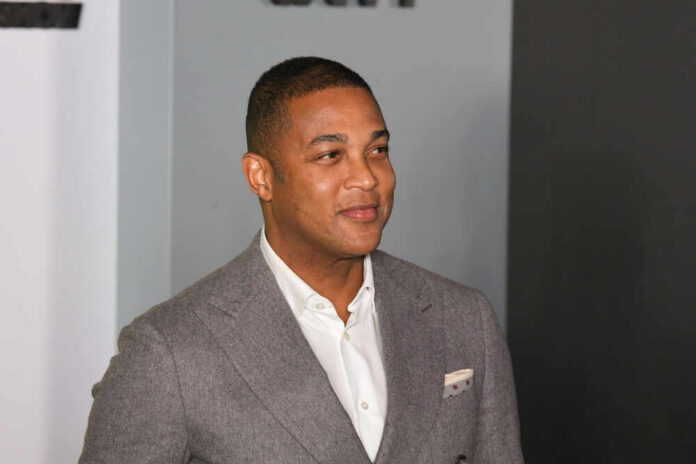
MASSIVE Backlash: Don Lemon’s Protest Sparks Debate
A rare federal civil-rights law meant to stop blockades at abortion clinics is now being used after activists—including Don Lemon—stormed a church service, setting up a high-stakes test of whether worshippers’ rights can be protected without trampling the First Amendment.
Quick Take
- Don Lemon and several co-defendants pleaded not guilty in federal court to FACE Act-related charges tied to a January 2026 disruption at Cities Church in St. Paul.
- The protest targeted a pastor who also leads the local ICE office, blending immigration politics with a Sunday worship service.
- The Department of Homeland Security seized Lemon’s phone; a judge declined to order it returned while a sealed search-warrant process plays out.
- Legal experts cited in reporting describe the church-based FACE Act application as highly unusual and potentially vulnerable to constitutional challenge.
What Happened at Cities Church—and Why It Became a Federal Case
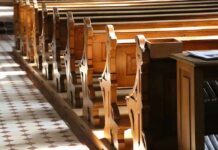
Federal prosecutors allege that a group of activists, including former CNN anchor Don Lemon, disrupted a service at Cities Church in St. Paul in January 2026 while protesting Pastor David Easterwood, who also leads the local ICE office. Reporting describes chants such as “ICE out” and “Justice for Renee Good,” tying the demonstration to anger over fatal shootings involving federal officers amid stepped-up immigration enforcement. The government filed charges using the Freedom of Access to Clinic Entrances Act.
On Feb. 13, 2026, Lemon and co-defendants appeared in federal court and pleaded not guilty. The case has drawn attention because the setting was a church service rather than a clinic or government building, raising immediate questions about where protest ends and unlawful interference begins. For many Americans, the core issue is straightforward: people have a constitutional right to worship without intimidation or disruption, even when a pastor’s day job is politically controversial.
MOMENTS AGO: Don Lemon leaves a courthouse after pleading not guilty to charges related to the viral Minnesota church incident.
He's been charged with conspiracy to deprive religious freedom rights and a violation of the FACE Act. pic.twitter.com/gZFU8QWykR
— Fox News (@FoxNews) February 13, 2026
How the FACE Act Fits Here—and Why the Use Is So Uncommon
The FACE Act dates to 1994 and is best known for disputes around access to abortion clinics, but reporting says it also covers interference with religious worship. Articles describe penalties that can include up to a year in prison and a fine, depending on conduct. What makes this case stand out is the unusual fact pattern: applying a statute commonly associated with clinic access to conduct inside or around a church service, with a high-profile media figure among the defendants.
That unusual posture is not just political—it is legal. Coverage cited former Civil Rights Division lawyers and constitutional specialists who argue the charges may be “constitutionally flawed” when applied to worship interference in this manner and predict dismissal. At the same time, the Justice Department’s posture, as described in reporting, treats the incident as a direct infringement on worshippers’ ability to gather and practice their faith. The courts will decide which theory survives.
The Phone Seizure Dispute Adds a Press-Freedom Flashpoint
Lemon says he was acting as a journalist rather than a protest participant, and he has publicly framed the case as an effort to intimidate him. After Lemon’s arrest in Los Angeles, the Department of Homeland Security seized his phone. In court, attorneys asked for the phone to be returned, but the judge declined while the government completed steps connected to a sealed search warrant. That procedural fight matters because phones often contain sensitive sourcing and work products.
From a constitutional perspective, the phone dispute intersects with two competing concerns described in reporting: government interest in investigating alleged obstruction at a worship service, and the press-interest argument that broad seizures can chill newsgathering. The public record available so far does not fully explain what investigators sought on the device or what limits were placed on the search. Until more becomes public, it is difficult to assess whether the seizure was narrowly tailored or overly sweeping.
Politics, Misinformation, and the Coming Court Dates
The case is unfolding amid heightened immigration enforcement and strong public rhetoric. Reporting notes that the White House condemned disruptions of church services as intimidation, while activists involved say their actions were rooted in moral or faith-based demands for justice tied to shootings attributed to ICE officers. Separately, coverage says a doctored AI image involving one activist circulated on White House social media, underscoring how quickly misinformation can attach itself to already-heated confrontations.
For now, the posture is clear: Lemon and others have pleaded not guilty; additional arraignments are scheduled for Feb. 18, 2026; and no trial date has been set in the reporting provided. The broader implications cut both ways. If courts weaken protections for worship services, churches could become targets for political street theater. If the government stretches federal statutes too far, it risks collateral damage to speech and press freedoms. This case will help define that boundary.
Sources:
Journalist Don Lemon pleads not guilty to civil rights charges in Minnesota church protest
Don Lemon, Nekima Levy Armstrong St. Paul church protest arrest arraignment