
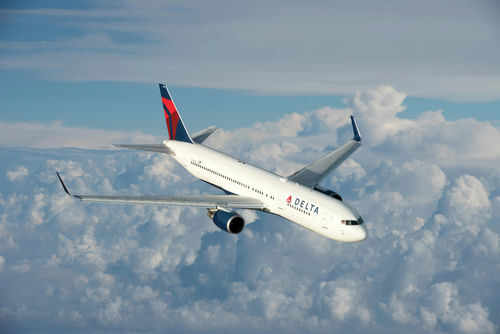
Delta’s latest numbers highlight a hard truth many Americans feel every day: the economy is splitting into “haves” and “have-nots,” and even air travel is becoming a premium-only experience.
Story Snapshot
- Delta reported better-than-expected quarterly results and reinstated its full-year profit outlook, with premium travel and loyalty revenue doing much of the heavy lifting.
- CEO Ed Bastian described consumer demand as resilient even amid trade disputes and geopolitical shocks, suggesting many travelers have become “numb” to constant turmoil.
- Delta’s premium cabins now represent a large share of sales, while economy-class demand shows weaker momentum in off-peak periods.
- Middle East conflict pressures fuel costs, but Delta and rivals have still raised revenue expectations—signaling confidence that higher-end demand can absorb disruptions.
Delta’s outlook rebounds as premium travelers carry results
Delta Air Lines reinstated its full-year profit outlook after reporting quarterly results that beat analyst expectations, a notable turn after the company previously pulled guidance when tariff uncertainty rattled markets. Management pointed to premium tickets and loyalty-related revenue as key drivers, with premium segments representing a majority of sales. Delta’s report also lifted sentiment across the airline sector, reinforcing how closely Wall Street ties airline confidence to consumer durability.
Ed Bastian framed the current environment as unusually steady despite nonstop headlines, arguing that consumers can still plan travel when they believe disruptions won’t suddenly upend budgets. That stance matters beyond aviation because airlines are sensitive to changes in discretionary spending. When an airline signals stability, it often implies that higher-income households remain comfortable spending—while other parts of the economy may be tightening.
A “K-shaped” travel economy leaves economy cabins behind
Delta’s performance fits a broader “K-shaped” pattern: higher earners keep buying premium experiences, while price-sensitive travelers pull back or trade down. Delta has emphasized that premium and loyalty programs provide insulation when standard economy demand softens, especially outside peak travel windows. The same split shows up in business travel as well; airline executives continue to describe corporate travel volumes as structurally lower than before COVID.
For conservative-leaning voters already frustrated by inflation and the rising cost of living, the optics are hard to miss: everyday families feel squeezed, yet premium demand looks strong enough to anchor airline forecasts. It does not establish that affluent passengers are literally “immune” to conflict, but it does show Delta describing demand as resilient even during major global shocks. That resilience appears concentrated at the top end of the market.
Geopolitical shocks and fuel costs test airline promises
Airlines regularly warn that war and instability can spike fuel costs and disrupt routes, and recent Middle East turmoil has done exactly that. Delta has reported that conflict-related conditions added substantial fuel expense, yet the company also logged record sales days around the same period. Rival carriers have echoed the theme by raising revenue expectations even while acknowledging higher costs, suggesting they believe pricing power and premium demand can offset turbulence.
Politics, tariffs, and what consumers are really reacting to
Delta’s comments also intersect with Washington’s long-running fight over tariffs and economic strategy. Bastian has criticized tariffs as harmful to U.S. companies in general, while also describing consumers as increasingly unfazed by trade disputes and other recurring crises. In practical terms, that combination suggests businesses want predictability more than drama. For voters on both the right and the left who distrust “elite” decision-making, the bigger concern is whether policy uncertainty keeps shifting costs onto families already struggling to get ahead.
Delta’s strategy—more premium seats, stronger loyalty economics, and confidence that higher earners keep spending—may prove rational for shareholders, but it raises uncomfortable questions for the country. If airlines increasingly design products around affluent travelers, normal families will face fewer options and higher friction when they do travel. The available reporting supports the trend, but it remains unclear how far this shift can go before weaker economy demand forces broader capacity and pricing changes.
Sources:
Delta Air Lines defies Middle East turmoil as it logs record sales surge
Delta CEO doubles down on industry’s premium makeover
Delta CEO Ed Bastian: Titans and Disruptors of Industry — luxury air travel
War & $400 million fuel hits can’t stop Delta, American revenue surge