
London’s latest Iran war protests reveal just how far Britain’s political class will bend to street radicals while American allies pay the price for years of weak, globalist security policy.
Story Snapshot
- Competing Iran-related marches turned central London into a stage for anti-US, anti-Israel and anti-regime agendas.
- Hard-left groups attacked US–Israeli strikes while downplaying Tehran’s brutality and regional terror footprint.
- Keir Starmer’s decision to open UK bases to Iran-related operations triggered fresh anger from the anti-war left.
- UK police tried to juggle free speech, extremism fears and community tensions with tight protest conditions.
Anti-war march targets US and Israel while ignoring Iran’s record
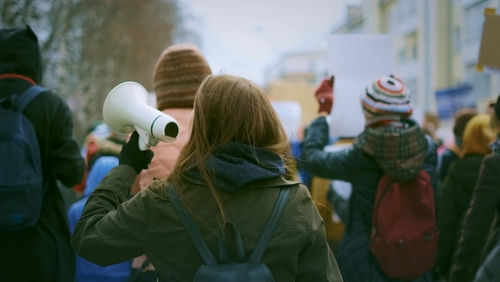
On March 7, thousands of demonstrators gathered at Millbank in central London for a “Hands Off Iran / Stop bombing Iran” march, aimed squarely at US and Israeli military action in the Iran conflict. Organised by the Stop the War Coalition, the Campaign for Nuclear Disarmament and the Palestine Solidarity Campaign, the column moved toward the relocated US embassy in Nine Elms, demanding an end to Western strikes and the withdrawal of British support from American operations in the region.
Protest leaders framed the situation as the Middle East being “set alight” by US–Israeli bombing, highlighting civilian casualties and branding the campaign an illegal assault on Iranian sovereignty. Their rhetoric fit a long pattern: these same networks drove opposition to the Iraq war and routinely link Gaza, Iran and Venezuela under an “anti-imperialist” banner. What went largely missing from their speeches was any serious reckoning with Tehran’s backing of terror proxies or its decades of repression at home.
Competing marches expose deep divides over Iran and free speech
While anti-war activists marched on the US embassy, a separate “Stage for Freedom” procession moved from Whitehall toward the Iranian embassy area in Kensington, led by exiles and human-rights campaigners opposing the Islamic Republic itself. Their focus was the regime’s brutality and the recent killing of Supreme Leader Ali Khamenei, which has polarised opinion across Britain. Earlier in the week, Manchester rallies had already shown Iranians celebrating his death clashing with mourners who still backed the regime.
These clashing narratives turned London into a crossroads of grievances: one side demanding the West leave Iran alone, another insisting that only firm pressure will ever loosen the grip of the ayatollahs. Adding another layer, Campaign for Nuclear Disarmament activists staged a linked protest at RAF Fairford in Gloucestershire, objecting to potential US bomber use of the base. Their goal was to shut down what they see as American “forward operating” platforms, even as many Western voters view those facilities as part of deterring hostile states like Iran.
Starmer’s base decisions and Parliament’s struggle over extremism
The protests came days after then–Prime Minister Keir Starmer authorised US use of British bases, including Diego Garcia and RAF Fairford, for “defensive strikes” tied to the Iran war. That choice enraged anti-war organisers, who accused him of dragging Britain deeper into conflict and demanded closure of US facilities on UK soil. For American readers accustomed to years of Biden-era hesitation, Starmer’s posture underscored how much a Labour government still leaned toward multilateral activism despite real security threats.
Inside Westminster, meanwhile, lawmakers from both Labour and Conservative benches pressed for a ban on the upcoming Al-Quds Day march, long criticised for Hezbollah flags and slogans echoing Tehran’s regional agenda. They described it as a “hate march” that effectively supports a theocratic dictatorship under cover of “pro-Palestine” activism. Police leaders pushed back, stressing the high legal bar for outlawing processions and promising instead a “zero tolerance” approach to explicit support for banned terrorist groups or incitement on the streets.
Police walk a tightrope between order, rights and community safety
Metropolitan Police commanders imposed strict conditions on all March 7 events, from designated routes and finish times to limits on amplified sound for protests near residential districts. Their public message was twofold: facilitate lawful protest, but ensure Londoners can go about their lives without intimidation. That meant extra patrols around “key sites” and sensitive neighbourhoods, especially Jewish areas nervous about anti-Israel rhetoric and Iranian communities wary of both regime loyalists and angry counter-protesters.
For American conservatives watching from across the Atlantic, the day captured a familiar dilemma: Western capitals tied in knots by competing pressure groups, while adversarial regimes exploit the divisions. Trump’s Washington is again pursuing strong borders, tougher immigration vetting and clear-eyed recognition of Iran’s threat. London’s experience shows why that approach matters. When governments hesitate, streets fill with voices more interested in blaming America than confronting those who genuinely menace freedom and stability.
Sources:
Hands Off Iran – Stop Trump’s Wars: Demonstrate in central London – Stop the War Coalition
Calls to ban ‘Iranian regime’ march in London – The Times
Demonstration: Stop bombing Iran – Palestine Solidarity Campaign
UK crowds rally both against and in support of death of Iran leader – Sky News
34th National March for Palestine, London – ICAHD
Pro-Iran protesters march in London – The Telegraph