

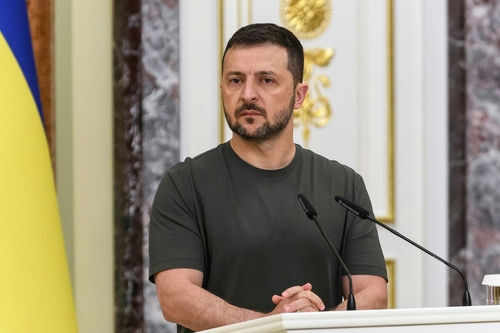
Ukraine, once a massive recipient of American taxpayer dollars under Biden’s failed policies, now flips the script by exporting drone defense experts to help President Trump’s America battle Iranian Shahed threats in the Middle East.
Story Snapshot
- U.S. requests Ukrainian support to counter Iranian Shahed drones after they penetrate defenses following U.S.-Israel strikes that killed Iran’s Supreme Leader.
- Zelenskyy dispatches specialists and interceptors, marking a pragmatic reversal from endless U.S. aid to Ukraine.
- This occurs amid Trump’s prior criticisms of Ukraine support and strained relations, highlighting battlefield-tested expertise over wasteful spending.
- Gulf states in talks to buy Ukrainian interceptors, potentially leveraging Russia ties for Ukraine ceasefire.
- Media errors, like Fox mislabeling Ukrainian tech as American, underscore Ukraine’s unique anti-Shahed know-how gained fighting Russia.
Escalation Sparks Urgent U.S. Request
U.S. and Israeli forces struck Iranian targets on Saturday prior to March 5, 2026, killing Supreme Leader Ayatollah Ali Khamenei and other officials. Iran retaliated over the March 1-2 weekend with Shahed drones and missiles targeting Middle East cities including Dubai, UAE, Qatar, and Saudi Arabia. These low-cost Iranian loitering munitions penetrated some missile defenses, prompting the Pentagon to seek external solutions. Ukrainian President Volodymyr Zelenskyy announced on March 5 that the U.S. requested specific support from Ukraine to counter these threats to American interests.
Zelenskyy’s Response and Expertise Shift
Zelenskyy instructed provision of necessary means and Ukrainian specialists, stating Ukraine helps partners who ensure its security. Ukraine honed anti-Shahed expertise since Russia’s 2022 invasion, when Iran supplied the drones to Moscow. Kyiv developed interceptors like Wild Hornets’ STING drone to counter mass cheap threats. This reverses prior U.S.-Ukraine dynamics, where America sent billions in aid under Biden’s globalist approach. Now, under President Trump, pragmatism prevails as U.S. taps proven capabilities amid escalating Iran conflict.
Strained Ties Under Trump Meet Pragmatism
Trump-Zelenskyy relations soured after their April 2025 White House meeting, with Trump threatening to exit Ukraine talks and criticizing past aid as fiscal mismanagement. White House spokesperson Leavitt echoed this, slamming prior support. Despite tensions, Zelenskyy positions Ukraine as indispensable in drone wars, offering priceless experience as Shaheds proliferate globally. Pentagon and Gulf states now discuss buying Ukrainian interceptors, with Zelenskyy floating conditional aid tied to Gulf pressure on Putin for a 1-2 month Russia ceasefire.
Gulf nations balance Iran threats against economic ties to Russia, potentially aiding Ukraine’s push. More Patriot systems deployed in Middle East in three days than Ukraine since 2022. Zelenskyy suggested a Patriots-for-interceptors swap on March 5.
Zelenskyy said the US asked Ukraine for support in fighting off Iran's Shahed drones, so he's sending experts their way https://t.co/5DtKp2iFPg
— Jazz Drummer (@jazzdrummer420) March 6, 2026
Implications for U.S. Security and Global Dynamics
Short-term, Ukrainian tech bolsters U.S. and Gulf defenses against Iranian retaliation, reducing civilian risks in drone-targeted areas. Long-term, Ukraine exports expertise, shifting from aid recipient to drone-war supplier, accelerating counter-drone tech race among U.S. allies. This pragmatic cooperation under Trump contrasts Biden-era overspending, focusing on cost-effective solutions. Uncertainties persist: no independent U.S. confirmation of the request, and Russia’s ceasefire likelihood remains low despite Gulf leverage. Media confusion, like Fox News mislabeling Ukrainian intercept footage as American tech, highlights Ukraine’s edge.
Sources:
Zelenskyy says US requested assistance to combat Iranian drones
Better Late Than Never: US and Allies Race Toward Ukrainian Counter-Shahed Tech