

A Virginia judge pulled the brakes on Governor Spanberger’s gun ban and then widened the order to block the whole Commonwealth from enforcing it.
Story Highlights
- A circuit judge first halted enforcement against Virginia State Police, then expanded the block to all state agencies.
- The order protects sales and transfers of commonly owned semiautomatic rifles and magazines over 15 rounds during the injunction.
- Gun owners, retailers, ranges, and rights groups are plaintiffs backing the challenge.
- The relief is preliminary and could change on appeal or further rulings.
Judge Expands Block On Enforcement Statewide
Lancaster County Circuit Judge John S. Martin issued a preliminary injunction on June 25, 2026. He barred Virginia State Police from enforcing the new restrictions because the Commonwealth was unlikely to win on the state constitution. On November 2, he expanded the order. The new order reportedly covered Virginia itself, all state agencies, and state employees through December 31, 2026, or until the court says otherwise. The case is Crump v. Katz, a state court challenge.
The expansion matters because the Attorney General said earlier orders were narrow. Officials argued that only named defendants were bound, and other agencies or local police could still act. The broader injunction reduces that gap and brings the Commonwealth under the same limits. The order pauses enforcement while the court reviews claims under Article I, Section 13 of Virginia’s Constitution, which protects the right to keep and bear arms.
What The Law Targets And Who Is Affected
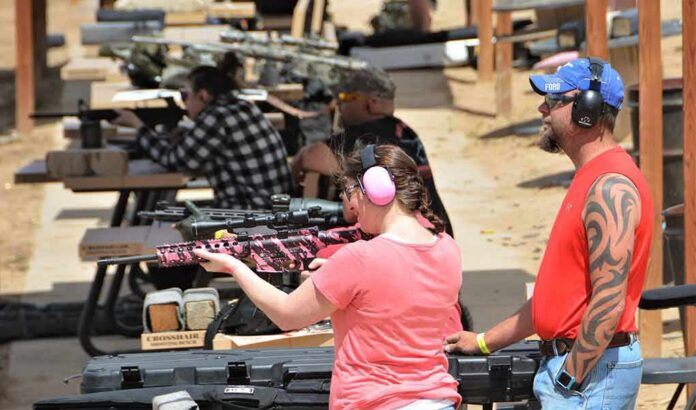
The disputed law restricts so-called assault firearms and magazines over 15 rounds. That sweep reaches many semiautomatic rifles owned by ordinary Virginians, including AR-15 style models. The plaintiffs include firearm owners, gun stores, firing ranges, and rights groups. They argue the ban turns routine, lawful commerce and training into crimes. The statutes carry Class 1 misdemeanor penalties for importing, selling, buying, making, or transferring covered items.
Plaintiffs moved before the July 1 start date to stop harm to businesses and customers. A judge agreed that the risk of charges, lost sales, and chilled rights counts as irreparable harm. Supporters of the law, including Governor Abigail Spanberger and Attorney General Jay Jones, claim the limits will save lives and fit the state constitution. They frame the law as a public-safety step against weapons designed for maximum damage.
Where The Legal Fight Stands Now
The win for gun-rights plaintiffs is real but temporary. A preliminary injunction is not a final ruling. The court could change course after more evidence or argument. Appeals could narrow, stay, or undo the order. Reports also point to parallel fights in other Virginia courts and in federal court. Those tracks can lead to mixed signals while cases move forward. For now, the Lancaster County order shields affected transactions from state enforcement within its scope.
The Attorney General’s Office stressed the statutes still exist even if enforcement is paused. It said earlier that prosecutors have duties to enforce enacted laws, while several local prosecutors said they will not pursue these cases due to constitutional concerns. Another Virginia circuit judge separately ruled that similar bans on sales and transfers of high-capacity semiautomatic weapons and 15-plus-round magazines violate the state constitution, underscoring a growing judicial split.
Why This Matters For Virginia Gun Owners
Virginians who follow the rules should not face surprise criminal charges for buying common rifles or standard magazines. The plaintiffs say the law punishes normal use, training, and commerce tied to self-defense and sport. Research on these bans is mixed, with limited or inconclusive evidence that they reduce mass shootings or other harms. That weak policy record, paired with state constitutional text, has helped drive these injunctions and rulings.
President Trump has pressed for respect of constitutional rights and for leaders to focus on criminals, not law-abiding citizens. This case fits that view. Judges have now twice said Virginia’s ban likely goes too far, at least at this stage. The court will dig deeper into history and practice as required after the United States Supreme Court’s New York State Rifle and Pistol Association v. Bruen decision. Until then, the statewide block on enforcement remains the key protection.
What To Watch Next
Watch for the Commonwealth’s next appeal and any bid to narrow the injunction. Look for more findings from Judge Martin that explain why the features list and the 15-round cut-off fail state constitutional review. Track whether prosecutors across Virginia align with the Attorney General or maintain their discretion not to bring these cases. Follow any federal case steps that could affect the same firearms and magazines.
Gun owners and retailers should keep records, follow all other laws, and check for new court orders. The current relief lasts through December 31, 2026, unless the court changes it. Rights groups urge citizens to stay engaged, support training and safe storage, and push back on blanket bans that target common, lawful tools. The fight over Spanberger’s ban is not over, but the momentum this week favors the Constitution and ordinary Virginians.
Sources:
redstate.com, lis.virginia.gov, jurist.org, yournews.com, rrecord.com, connectionnewspapers.com, courthousenews.com, hoodline.com