
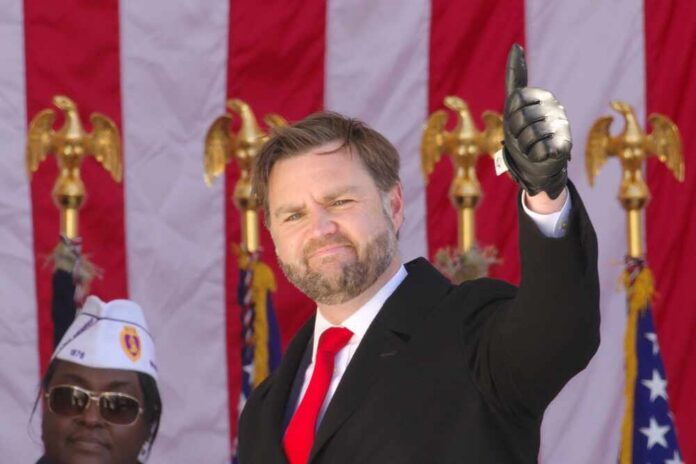
Vice President JD Vance landed in Pakistan this weekend for high-stakes negotiations with Iran that could determine whether America avoids a wider Middle East war or faces renewed military confrontation over nuclear ambitions and regional aggression.
Story Snapshot
- Vance arrives in Islamabad on April 11, 2026, amid fragile two-week ceasefire following six weeks of U.S.-Iran war sparked by Operation Epic Fury
- Trump administration demands Iran abandon Strait of Hormuz control and reduce uranium stockpile; Iran insists on Lebanon ceasefire as precondition
- Pakistan hosts talks as neutral mediator after Prime Minister Shehbaz Sharif brokered initial truce; no direct U.S.-Iran meetings confirmed yet
- President Trump warns military forces are “reloading” if Iran refuses good-faith negotiations, signaling limited patience with diplomatic process
High-Stakes Diplomacy Unfolds in Islamabad
Vice President JD Vance touched down in Pakistan’s capital Saturday morning alongside U.S. Special Envoy Steve Witkoff and presidential advisor Jared Kushner, marking the Trump administration’s most significant diplomatic gambit to end hostilities with Iran since war erupted February 28. Pakistani officials including Prime Minister Sharif, Field Marshal Asim Munir, and Deputy Prime Minister Mohammad Ishaq Dar greeted the American delegation at the airport. Vance immediately entered bilateral discussions with Sharif while an Iranian delegation led by Parliament Speaker Mohammad Bagher Qalibaf met separately with Pakistani leaders. U.S. officials confirmed no direct American-Iranian negotiations had occurred by midday, underscoring the delicate nature of talks between nations without formal diplomatic relations since 1979.
Critical Issues Dominating Negotiation Agenda
The Trump administration faces a complex set of Iranian demands and American security priorities that must align for peace to hold. Iran’s control of the Strait of Hormuz—the vital chokepoint through which global oil supplies flow—remains a central concern after six weeks of conflict disrupted energy markets and drove fuel prices higher for American consumers. The administration also seeks verifiable reductions in Iran’s uranium stockpile, which poses proliferation risks the U.S. considers unacceptable. Iran counters with preconditions including a ceasefire in Lebanon where Iranian-backed Hezbollah forces clash with Israeli military operations, plus demands for asset releases frozen under sanctions. This standoff reflects fundamental disagreements over regional power dynamics that have plagued U.S.-Iran relations for decades.
Trump’s Firm Stance Backs Diplomatic Efforts
President Trump made clear before Vance’s departure that American patience has limits, telling reporters Iran is “doing a very poor job” and emphasizing U.S. military forces are reloading equipment and personnel in preparation for potential renewed operations. Vance echoed this message, stating Friday the administration would “extend the open hand” if Iran negotiates in good faith but warning Tehran not to “play” the United States or face consequences. This approach reflects conservative principles of peace through strength—engaging diplomatically while maintaining credible military deterrence. The inclusion of Kushner in the delegation signals Trump’s personal investment in the talks, leveraging relationships built during earlier Middle East diplomatic successes. Pakistan’s willingness to host reflects Sharif’s pragmatic calculation that successful mediation strengthens ties with Washington while stabilizing a volatile border region.
Broader Implications for American Interests
The outcome of these negotiations carries consequences extending far beyond bilateral U.S.-Iran relations, touching core concerns about government competence and elite decision-making that frustrate citizens across the political spectrum. Energy independence and affordable fuel prices matter to working Americans whose budgets suffer when Middle East conflicts disrupt oil markets. The uranium issue connects directly to nonproliferation commitments that prevent rogue regimes from obtaining nuclear weapons threatening American cities. Citizens rightly question whether diplomatic elites can negotiate agreements that serve national security rather than abstract multilateral frameworks that constrain American power while adversaries cheat with impunity. The talks test whether Trump’s transactional approach can achieve tangible results where previous administrations failed, or whether Iran will exploit negotiations to buy time for nuclear advancement while maintaining regional aggression through proxies.
NEW: Vice President JD Vance arrives in Pakistan ahead of critical peace talks with Iran. pic.twitter.com/jBMCRtpKKn
— Fox News (@FoxNews) April 11, 2026
Pakistan’s role as host demonstrates the shifting dynamics of global power, where traditional alliances matter less than pragmatic deal-making between nations pursuing concrete interests. Sharif gains prestige and potential economic benefits from successful mediation, while risking backlash from either party if talks collapse. The fragile ceasefire creates urgency—extension requires progress on substantive issues, not symbolic gestures that leave fundamental threats unaddressed. American citizens watching these developments deserve transparent communication about what concessions, if any, the administration considers acceptable and what red lines protect non-negotiable national security interests. The presence of non-governmental figures like Kushner alongside official envoys raises legitimate questions about accountability and whether personal relationships substitute for institutional diplomatic expertise in high-stakes negotiations affecting millions of lives and trillions in global economic activity.
Sources:
Fox News – Trump Iran War Strait Hormuz Pakistan Talks
CBS News – Iran War Trump Strait of Hormuz Israel Ceasefire Talks
News3LV – Vance Arrives in Pakistan for Crucial US-Iran Peace Talks
Times of Israel – Vance Warns Iran Not to Play the US