
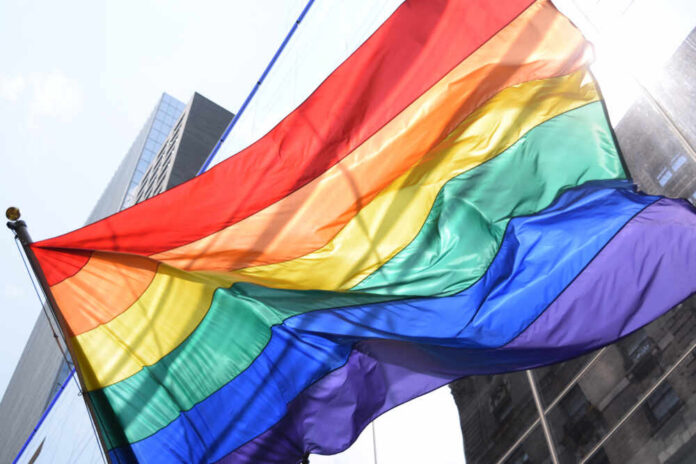
A San Francisco coffee chain built on progressive branding is now stripping Pride flags from its walls—and the backlash is exposing how brittle corporate “inclusion” can be when politics hits the cash register.
Quick Take
- Philz Coffee says it will remove Pride flags and other decorative flags to create a “consistent, inclusive” in-store experience.
- Baristas and customers pushed back with a petition arguing Pride symbols signal safety and belonging, especially in LGBTQ-centered neighborhoods.
- Reports suggest confusion over whether the policy is being applied uniformly across locations and how quickly changes will happen.
- The dispute highlights a larger national debate over whether corporations practice genuine allyship or just seasonal, symbolic marketing.
Philz’s new “consistency” rule collides with its Pride reputation
Philz Coffee, a San Francisco-based chain with stores across California and beyond, has confirmed it is removing Pride flags and other flags from its cafés. CEO Mahesh Sadarangani described the shift as part of creating a “more consistent, inclusive experience” across stores, framing it as an aesthetic change rather than a change in company identity. The company also emphasized that its support for LGBTQIA+ customers remains unchanged.
The timing and messaging matter because Philz has long marketed itself as a values-driven, community-minded brand, including public Pride-month programming. That background is why critics see the move as a contradiction: a company known for progressive cues is now dialing back visible political-cultural symbols. Supporters of the change read it differently—arguing a coffee shop should feel neutral and welcoming to everyone, without becoming a billboard for any cause.
Employees say visible symbols help define “safe and welcoming” workplaces
A group identifying as “Philz Coffee Baristas” launched a petition asking management to reverse the decision. Petition organizers argued that Pride flags carry practical meaning for staff and customers by signaling that the space is safe and welcoming regardless of sexual orientation or gender identity. As of reporting cited in local coverage, the petition had reached at least 1,200 signatures, reflecting real internal friction rather than a passing online flare-up.
From a workplace perspective, the dispute is less about one flag and more about who gets to define the environment employees are asked to uphold. Service jobs often rely on morale and a sense of belonging, and workers can interpret the removal of familiar symbols as management prioritizing brand uniformity over staff reassurance. Philz, meanwhile, is trying to enforce a standard look and feel across stores—an approach common in corporate retail.
Mixed signals on enforcement raise questions about corporate control
Local reporting also described confusion about implementation. Some employees said they were instructed to remove flags, while other locations reportedly had not received directives, leaving customers and staff unsure whether the policy is universal or dependent on store managers. Philz has not publicly provided a clear timeline for when all flags will be removed. That uncertainty has fueled speculation, because inconsistent enforcement often looks like a company testing public reaction before locking in a final stance.
The bigger story: corporate activism meets consumer fatigue
This lands in the middle of a broader national argument about corporate political signaling. Many Americans—right, left, and center—have grown skeptical of large companies using social issues as marketing while still making decisions based on risk management and brand control. Conservatives often see Pride displays in commercial spaces as ideological pressure, while many liberals view the displays as proof of basic solidarity. When a corporation reverses course, both sides tend to interpret it as confirming their distrust.
What to watch next in the Philz dispute
The immediate next questions are practical: whether Philz clarifies a uniform policy, whether more employees speak publicly, and whether the company faces sustained boycotts or merely a short spike of attention. The chain also has a symbolic problem in places like San Francisco’s Castro area, where community expectations are unusually strong. If Philz is betting that “inclusion” means removing visual cues, it will need to show—concretely—how that choice improves the customer experience.
Common Sense Prevails: California-based coffee shop Philz Coffee to pull LGBTQ pride flags despite progressive backlash https://t.co/wFLUHHuOKH #FoxNews
— Jeff Robinson, CEO and Chairman of $MRES and $MMAZ (@contrariansmind) April 10, 2026
For customers frustrated with politics invading everyday life, Philz’s rationale will sound familiar: fewer symbols, fewer fights. For customers who relied on those symbols as reassurance, the change can feel like retreat under pressure. What’s clear is that a private company’s décor decision has become a public test of how cultural politics, employee activism, and consumer expectations now collide—often faster than corporate leadership can communicate a coherent plan.
Sources:
California-based coffee shop Philz Coffee to pull LGBTQ pride flags despite progressive backlash
Philz Coffee Pride Flag Controversy